

Colour isn’t subjective fluff. It’s biological, neurological, and deeply tied to how we feel in a space. The science behind colour psychology shows that colour influences mood, focus, energy levels, and emotional regulation—often without us realising it. At Lifted+, and especially within the Electric Joy edit, colour is used intentionally to stimulate, uplift, and energise. This article explores how colour psychology affects emotional well-being and how you can apply it consciously in your own space.
Your nervous system notices colour long before your mind forms an opinion.
Colour Psychology and How the Brain Responds
Colour psychology explains how the brain processes colour as sensory information. When light enters the eye, it triggers neurological responses that influence hormones, alertness, and emotional state. Blues can slow the nervous system, greens restore balance, while high-saturation colours stimulate dopamine and increase energy. Electric Joy leans into these responses deliberately, favouring colours that activate rather than sedate. This is why some rooms feel alive—and others feel flat—before you’ve even sat down.
Emotional Well-being Is Shaped by Environmental Colour
Emotional well-being is not only internal; it’s environmental. Colour psychology shows that the colours surrounding us can either support emotional regulation or quietly drain it. Muted, low-contrast spaces often feel safe but uninspiring. In contrast, intentional use of bold colour can improve mood, spark creativity, and increase motivation. Electric Joy uses colour to create emotional momentum—spaces that feel expansive, optimistic, and energising rather than subdued.
Why Contrast Matters in Colour Psychology
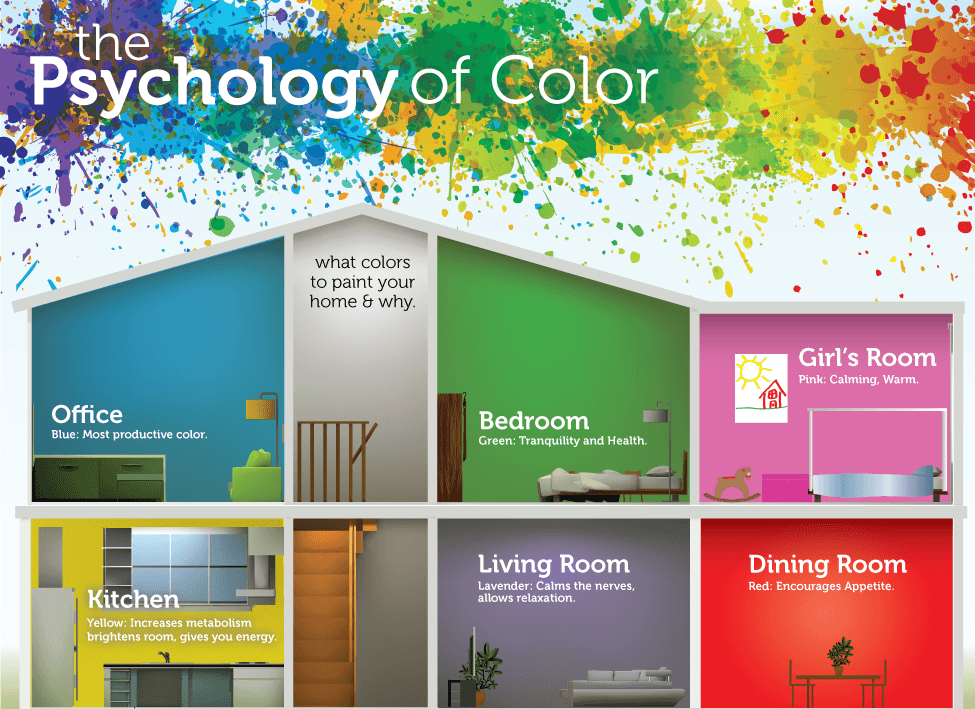
One of the most misunderstood aspects of colour psychology is contrast. Emotional response isn’t driven by colour alone, but by how colours interact. Bright tones gain power when anchored by darker shades. Without contrast, colour loses clarity and emotional impact. Electric Joy interiors rely on this principle, pairing vibrant hues with grounding tones like ink or charcoal. The result is balance with energy—spaces that feel stimulating but not overwhelming.
Applying Colour Psychology with Intention
Understanding colour psychology allows you to design spaces that actively support emotional well-being. Start by identifying how you want a room to feel, then choose colours that reinforce that emotional goal. Energy-driven spaces benefit from saturated colour and contrast, while restorative areas work best with calmer tones layered thoughtfully. The key is intention. Colour works best when it’s chosen deliberately, not defensively.
Colour That Lifts Emotional Well-being
The science behind colour psychology is clear: colour shapes emotional well-being whether you plan for it or not. Electric Joy exists to make that influence positive, powerful, and purposeful. When colour is used with awareness, a space stops being decorative and starts becoming supportive. Choose colour that works with your nervous system, not against it—and let your environment lift you every day.