
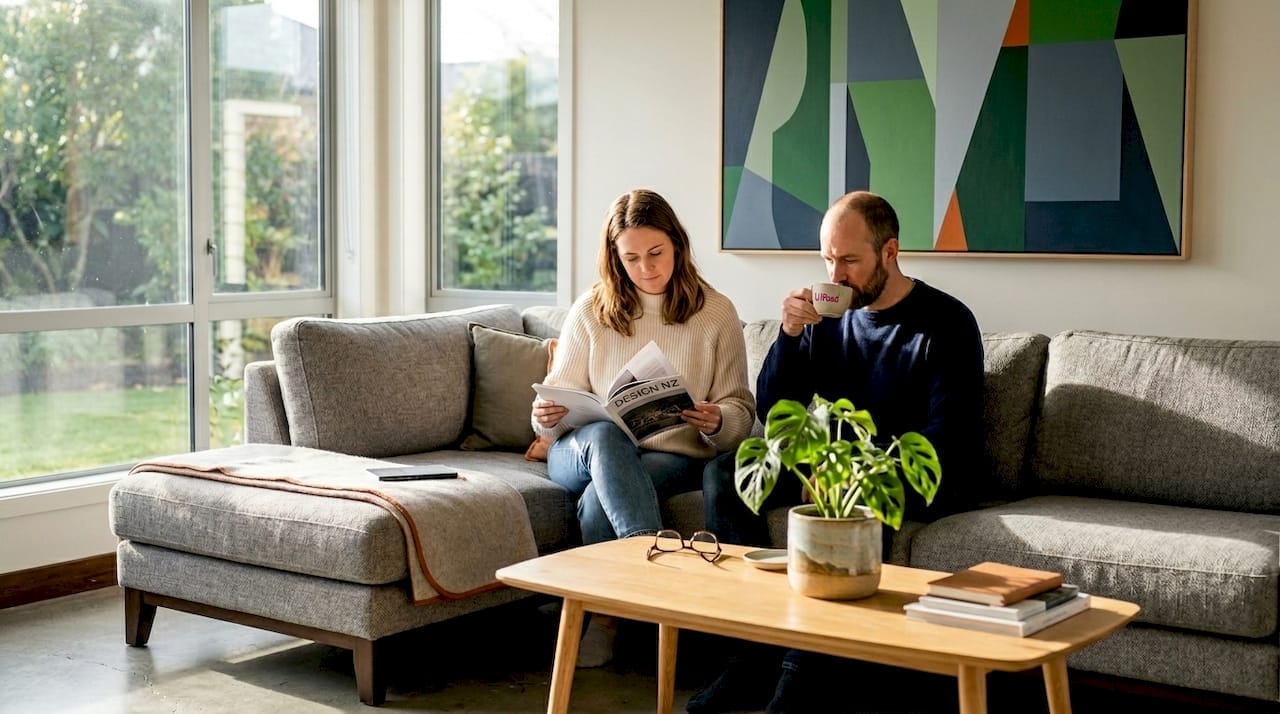
TL;DR:
- Properly hung wall art at eye level and covering two-thirds of the wall creates visual harmony.
- Selecting between statement pieces, gallery walls, or textured art depends on room size and personal style.
- Personal, meaningful artwork outlasts trends and adds lasting value to home decor.
Choosing wall art should feel exciting, but for most homeowners it quickly becomes overwhelming. The sheer variety of styles, sizes, mediums, and price points can make even a confident decorator second-guess every instinct. What separates a wall that truly holds a room from one that simply fills space? According to design experts, hanging art at eye level — around 145 to 150 cm from the floor — and ensuring it covers roughly two thirds of the surrounding wall or furniture width are the foundational rules that most people overlook. This guide breaks down the main types of wall art available for modern New Zealand homes, with practical criteria to help you choose with confidence.
Table of Contents
- How to evaluate wall art for your space
- Single statement pieces: Art with bold impact
- Gallery walls: Storytelling with multiple pieces
- Functional and alternative art: Sculptural and textile pieces
- Wall art types compared: Making your final choice
- Why wall art should reflect your personal narrative, not just trends
- Ready to transform your walls? Explore curated art and décor
- Frequently asked questions
Key Takeaways
| Point | Details |
|---|---|
| Size and proportion matter | Wall art is most impactful when sized to cover 50-75% of the wall or furniture width. |
| Statement or story | Single pieces provide a strong focal point, while gallery walls allow for storytelling and variety. |
| Alternative art is trending | Sculptural and textile pieces add dimension and are popular in modern New Zealand interiors. |
| Personal meaning lasts | Art that holds personal significance tends to have more long-term value and appeal than trend-based choices. |
How to evaluate wall art for your space
Before you fall in love with a piece, it helps to have a clear framework for assessing whether it will actually work in your home. The most common mistake is choosing art based purely on aesthetics in isolation, without considering how it will interact with the room around it.
Four criteria matter most: size, visual weight, positioning, and cohesion. Size is the most measurable. A piece that is too small reads as an afterthought, while something oversized can feel oppressive. Choosing the right art size for your wall starts with measuring the available space and working backwards from there.
Visual weight refers to how much presence a piece commands, regardless of its physical dimensions. A dark, densely detailed canvas carries more visual weight than a light watercolour of similar size. Balancing wall art within a room means accounting for the weight of furniture, architectural features, and natural light, not just the art itself.
Positioning is where many installations fall short. The standard eye-level rule places the centre of a piece at 145 to 150 cm from the floor, which suits most standing adults and creates a natural, comfortable sightline.
Pro Tip: Before committing to a single approach, consider whether you want one bold focal point or a layered visual story. The answer to that question will guide every decision that follows, from wall art sizing to frame selection.
The most impactful rooms are not the ones with the most art. They are the ones where every piece has been chosen with intention.
Now that you’ve seen what underpins standout wall art choices, let’s break down each compelling type that can elevate a modern home.
Single statement pieces: Art with bold impact
A single statement piece is exactly what it sounds like: one artwork that anchors the entire room. It commands attention without competition, and when chosen well, it pulls a space out of the safe, polite middle and gives it genuine presence.
The features that make a piece work as a statement are scale, colour, and subject matter. Scale is non-negotiable. A piece hung above a sofa should span roughly two thirds of the sofa’s width to feel proportionate rather than lost. Colour either harmonises with the room’s palette or deliberately contrasts it, both approaches can work, but the choice needs to be deliberate. Subject matter shapes mood: abstract forms create energy and ambiguity, while figurative or landscape works ground a space with narrative.
The best locations for statement art include the wall above a sofa or bed, an entry hallway that sets the tone for the entire home, and any architectural feature wall that already draws the eye. These positions give the piece room to breathe and an audience that naturally arrives at it.
Bold art anchors a room most effectively when the surrounding space is relatively restrained. If the room is already busy with pattern, texture, and colour, a statement piece risks becoming noise rather than signal.
As design experts note, single pieces create focus while gallery walls tell stories. Neither is superior. The choice depends entirely on what the room needs.
Pro Tip: When hanging a statement piece above furniture, leave 15 to 20 cm of space between the top of the furniture and the bottom of the frame. This keeps the art visually connected to the furniture without appearing to rest on it. Always check proper artwork sizing before purchasing.
Understanding when a single piece makes the right impact leads us to another powerful display option: gallery walls.
Gallery walls: Storytelling with multiple pieces
A gallery wall is a curated arrangement of multiple artworks displayed together on a single wall. Done well, it feels personal, layered, and alive. Done poorly, it looks cluttered and unresolved. The difference almost always comes down to planning.
There are three main layout approaches, each with distinct characteristics:
- Grid layout: All pieces are the same size and evenly spaced. This creates a clean, structured look that suits minimalist and contemporary interiors. It is the easiest to execute but the least flexible.
- Organic layout: Pieces vary in size and are arranged intuitively, with consistent spacing between frames. This approach feels relaxed and personal, ideal for living rooms and creative spaces.
- Asymmetrical layout: A deliberately uneven arrangement that uses visual weight to create balance without symmetry. This is the most dynamic option and suits eclectic or maximalist interiors.
As design experts confirm, consistent spacing between frames — typically 5 to 8 cm — is the single most important factor in making any gallery wall feel intentional rather than chaotic.
| Layout type | Best for | Difficulty | Visual effect |
|---|---|---|---|
| Grid | Minimalist, modern rooms | Low | Structured, calm |
| Organic | Living rooms, personal spaces | Medium | Relaxed, layered |
| Asymmetrical | Eclectic, maximalist interiors | High | Dynamic, expressive |
Plan your gallery wall on the floor before a single nail goes into the wall. Trace each frame on paper, cut it out, and arrange the shapes on the wall with painter’s tape. It saves hours of frustration.
For gallery wall alternatives that suit smaller spaces or rental properties, consider leaning art against walls or using picture ledges instead. These approaches offer the same layered effect with far less commitment. More apartment wall art ideas can help you adapt these concepts to compact New Zealand homes.
While gallery walls create dynamic visual stories, other art types offer different advantages. Next, let’s examine how functional art and alternative mediums are changing New Zealand interiors.
Functional and alternative art: Sculptural and textile pieces
Not all wall art is flat. Sculptural, textile, and mixed media pieces introduce depth, texture, and tactile interest that printed or painted works simply cannot replicate. They bring shape to the air in a way that changes how a room feels, not just how it looks.
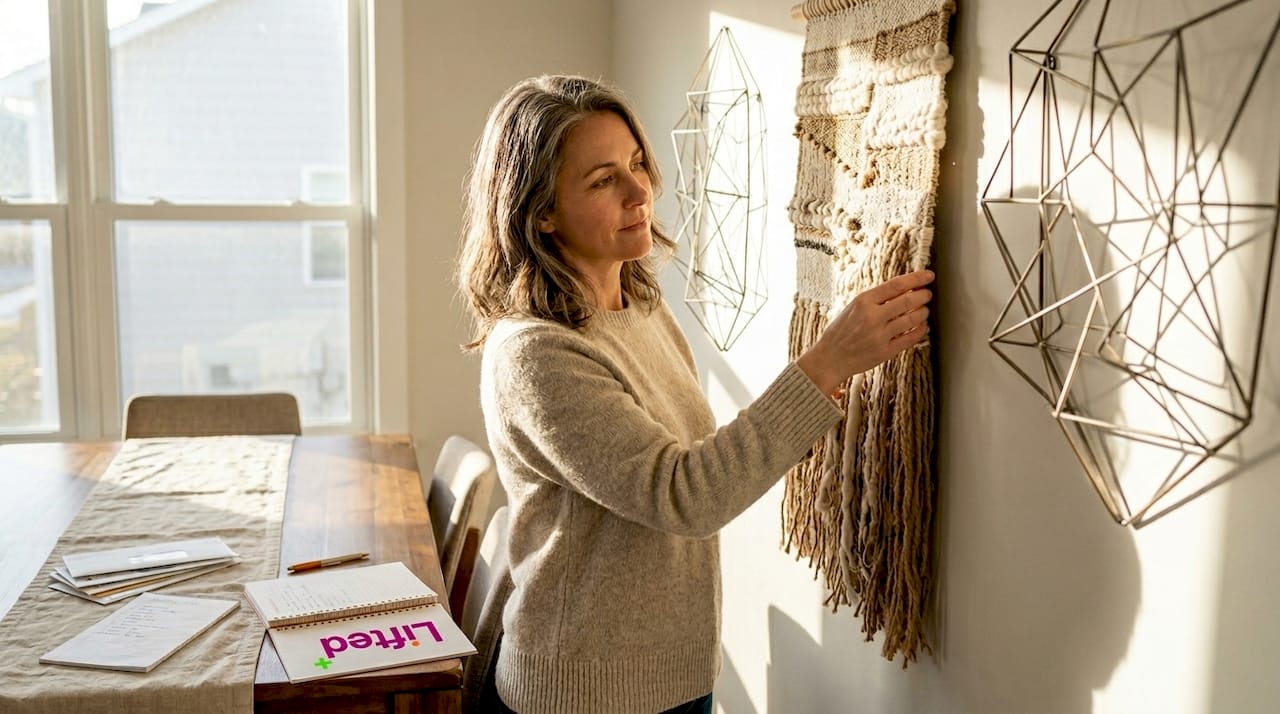
Sculptural wall art includes three-dimensional pieces made from metal, ceramic, resin, or timber. These works cast shadows that shift with the light throughout the day, creating a living quality that static prints lack. They work particularly well in rooms with strong natural light or directional artificial lighting.
Textile wall art encompasses woven wall hangings, macramé, tapestries, and fabric panels. These pieces introduce warmth and acoustic softness, making them ideal for bedrooms, nurseries, and open-plan living areas where hard surfaces dominate. They also tend to be lighter than framed works, which makes installation simpler.
Mixed media pieces combine materials such as timber, resin, metal leaf, and fabric within a single work. They are among the most visually complex options available and reward close inspection.
Experts recommend that art covers 50 to 75% of wall or furniture width regardless of medium. This proportion rule applies equally to sculptural and textile works.
For statement wall art ideas that move beyond the conventional canvas, sculptural and textile pieces are increasingly popular in New Zealand homes seeking warmth and individuality. They mix beautifully with traditional framed works, adding contrast without conflict.
With a range of wall art types explored, a side-by-side look can help you choose the best option for your space.
Wall art types compared: Making your final choice
Choosing between wall art types becomes clearer when you map each option against your room, your personality, and your budget. Here is a direct comparison to guide your decision.
| Art type | Best room | Budget range | Visual effect | Installation complexity |
|---|---|---|---|---|
| Single statement piece | Living room, bedroom | Mid to high | Bold, focused | Low |
| Gallery wall | Living room, hallway | Low to mid | Layered, personal | Medium |
| Sculptural wall art | Living room, study | Mid to high | Textural, dynamic | Medium |
| Textile wall art | Bedroom, nursery | Low to mid | Warm, soft | Low |
| Mixed media | Any feature wall | High | Complex, expressive | Medium to high |
Once you have identified the type that suits your space, work through these decision steps:
- Define your intention. Is the wall a focal point or part of a broader arrangement? This determines whether a single piece or a gallery approach serves you better.
- Measure before you shop. Know your wall dimensions and the furniture it relates to before you consider any specific piece.
- Consider your evolving tastes. Gallery walls and leaned art are easier to update than large statement pieces. If your style shifts often, build in flexibility.
- Test your layout. As design experts advise, test your layout on the floor or with digital tools before hanging anything. This prevents costly mistakes and saves your walls.
- Consult a professional if needed. For oversized or heavy pieces, a professional installer ensures safety and precision.
For a deeper look at the tradeoffs between formats, the comparison of oversized art versus gallery walls is worth reading before you commit.
Bringing this all together, it’s time for a fresh perspective on what truly matters when selecting wall art for your home.
Why wall art should reflect your personal narrative, not just trends
Here is something most decorating guides will not tell you: trend-led wall art ages faster than almost any other element in a home. A sofa can be recovered. A rug can be rolled up. But a large-format artwork chosen because it was everywhere on social media in a particular season becomes a quiet source of regret within a few years.
The pieces that genuinely hold a room over time are the ones connected to something real. A work by a New Zealand artist you discovered at a local market. A print that captures a place that shaped you. A textile made by someone whose craft you admire. These pieces do not go out of style because they were never in style to begin with. They simply are.
Building a collection with lasting value means buying slowly and deliberately. Start with one piece you love without qualification, then build around it. Resist the urge to fill every wall at once. Empty walls are not failures. They are space held open for the right thing.
For personalised wall art concepts that reflect your own story rather than a borrowed aesthetic, look for works that provoke a genuine reaction rather than a polished one. That response is the most reliable guide you have.
Ready to transform your walls? Explore curated art and décor
Once your vision is clear, the next step is finding pieces that are genuinely worth living with. At Lifted+, we curate wall art and décor with form, presence, and longevity in mind, not just what is trending this season.

Browse our wall art collection to discover ready-to-hang pieces designed for modern New Zealand interiors. If you are drawn to works that are harder to find, our limited edition pieces are selected for their artistic impact and seasonal relevance. And if you want to go further with your styling, our guide to décor layering techniques shows you how to build a space that feels considered from every angle.
Frequently asked questions
What size should my wall art be?
Wall art should typically cover 50 to 75% of your available wall or furniture width to maintain balance and proportion. Going smaller than this tends to make even beautiful pieces feel incidental.
How high should I hang my wall art?
The centre of your artwork should sit at 145 to 150 cm from the floor, which aligns with the standard eye level for most adults and creates a natural, comfortable sightline.
When should I use a gallery wall instead of a single piece?
Choose a gallery wall when you want to tell a visual story or fill a larger expanse of wall. Single pieces work best when you need a bold focal point or are working within a minimalist aesthetic.
How do I plan my wall art layout safely?
Plan your arrangement on the floor first, or use a digital planning tool, before committing to any holes in the wall. Tracing frames onto paper and taping the outlines to the wall is a simple, effective technique.
Recommended
- 11 Apartment Wall Art Ideas For NZ Homes – Lifted+ | More Colour. More Mood. More Life.
- Colourful Wall Art NZ That Holds A Room – Lifted+ | More Colour. More Mood. More Life.
- 11 Statement Wall Art Ideas For Modern Homes – Lifted+ | More Colour. More Mood. More Life.
- Home – Lifted+ | More Colour. More Mood. More Life.