

TL;DR:
- Effective small apartment decor involves strategic layout, layered lighting, and multifunctional furniture to maximize space and comfort. Vertical storage solutions, zoning techniques, and cohesive color schemes enhance visual appeal without clutter, while intentional restraint creates a welcoming environment. Renters can decorate freely with damage-free methods, focusing on lighting and thoughtful edits to transform their space.
Small apartment decor is the art of combining multifunctional furniture, layered lighting, strategic storage, and cohesive styling to make compact living spaces feel larger, more organised, and genuinely comfortable. Interior designers refer to this practice as space planning with aesthetic intent, and the distinction matters: you are not just filling a room, you are choreographing it. The correct order of operations is layout first, then lighting, foundational furniture, zones, and finally accessories. Follow that sequence and even a 40-square-metre apartment holds its own.
1. Small apartment decor starts with the right furniture scale
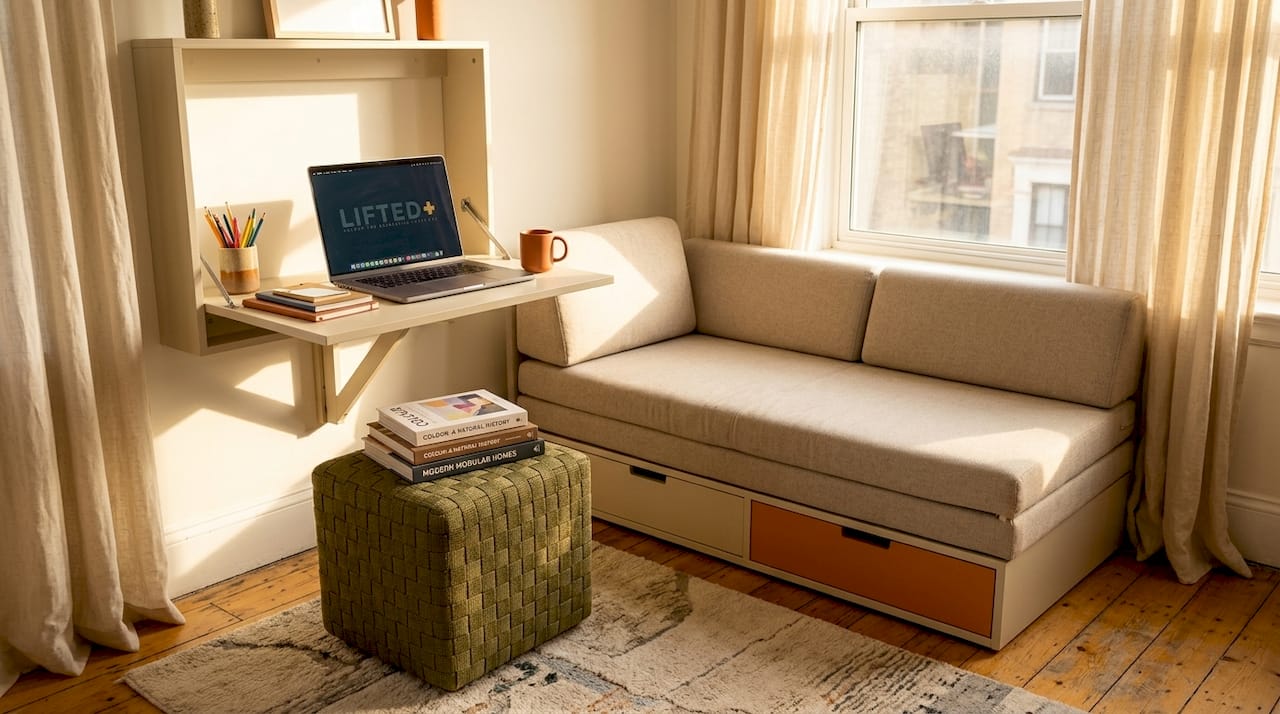
Multifunctional furniture is the single most powerful tool in compact living. A sofa bed, a storage ottoman, a fold-down desk, or a daybed with drawers underneath each performs two jobs in the footprint of one. That trade-off is what separates a room that breathes from one that suffocates.
Scale matters as much as function. Oversized sofas and bulky dining tables consume visual weight far beyond their physical dimensions. Choose pieces with slender legs and clean silhouettes. A round dining table seats four without the hard corners that cut into circulation paths. A low-profile bed frame keeps the ceiling feeling generous.
Floating furniture — pulled 15 to 30 centimetres away from walls — creates spatial depth that wall-hugging arrangements never achieve. The gap reads as breathing room, and the room feels intentionally designed rather than crammed.
Pro Tip: Before purchasing any piece, tape its footprint on the floor with masking tape and live with it for a day. You will immediately see whether it blocks natural pathways or crowds adjacent furniture.
2. Layer your lighting before you hang a single accessory
Lighting is the most underestimated tool in tiny apartment styling. A single overhead globe flattens a room and exposes every corner with equal, unforgiving brightness. Layered lighting, by contrast, sculpts the space and brings shape to the air.
The three-layer system is the professional standard: ambient light for general illumination, task lighting for reading and cooking, and accent lighting to highlight objects and architecture. Warm-toned bulbs between 2700 and 3000K produce a glow close to candlelight, which softens hard edges and makes a small room feel like a considered retreat rather than a functional box.
Wall sconces, floor lamps, and table lamps each occupy different heights in a room, and that vertical variation creates a sense of depth. A single arc floor lamp beside a reading chair does more for atmosphere than a ceiling fitting ever could. Add a dimmer where possible. The ability to shift from bright afternoon work light to low evening warmth transforms how a space feels across the day.
Pro Tip: Install your layered lighting setup before you place accessories. The shadows and pools of light will guide where art, plants, and objects belong.
3. Use vertical storage to reclaim your floor
Storage is the biggest challenge in studio apartments, and the solution is almost always vertical. Walls are underused real estate in most small homes. Floor-to-ceiling shelving, wall-mounted cabinets, and floating shelves draw the eye upward and keep the floor clear, which is the single fastest way to make a room feel larger.
Built-in shelving fitted to scale keeps the space dynamic rather than cramped. A designer working on a Chelsea studio noted that scale in storage furniture is as critical as the storage itself. A shelf that is too deep or too tall for the wall it occupies creates visual tension rather than calm.
The editing principle applies here too. Every shelf does not need to be full. Negative space on a bookshelf reads as confidence, not emptiness. Group books by colour, intersperse objects in odd numbers, and leave room for the eye to rest.
| Storage approach | Best for | Visual impact |
|---|---|---|
| Floor-to-ceiling shelving | Books, display objects | Draws eye upward, adds height |
| Floating wall shelves | Small items, plants | Keeps floor clear, feels light |
| Storage ottoman | Blankets, remotes | Dual function, no visual bulk |
| Ceiling-mounted curtain | Zone division | Defines space without blocking light |
4. Zone your open plan without closing it off
Open-plan studios feel spacious until they feel chaotic. The fix is zoning: creating distinct areas for sleeping, living, and working without building walls. Ceiling-mounted curtains and open shelving are the two most effective low-visual-blockage dividers because they define zones without cutting off light or sightlines.
A Kallax shelf unit paired with a ceiling curtain, for example, creates a convincing bedroom zone in a 14-square-metre studio. The shelf faces the living area and provides storage. The curtain draws across at night for privacy. Neither element requires a drill or permanent installation.
Rugs anchor zones just as effectively. A large rug under the sofa and coffee table defines the living area. A smaller rug under the desk defines the work zone. The floor becomes a map of how the space is used, and that clarity reduces the visual noise that makes small apartments feel cluttered.
Pro Tip: Place the front legs of all main seating on the rug, not just the coffee table. This ties the zone together and prevents the rug from looking like an afterthought.
5. Styling with colour, mirrors, and textiles
Colour is a spatial tool, not just a decorative one. Light, neutral, or cohesive colour schemes reflect natural light and unify a small space. A single accent wall in a deep autumnal tone can add depth and character without shrinking the room, provided the remaining walls stay pale and the furnishings stay restrained.
One large mirror positioned opposite a window bounces natural light deep into the room and creates the illusion of a second space beyond the wall. This is one of the oldest tricks in interior design, and it still works because it exploits how the eye reads reflected depth as real depth.
Textiles add warmth and personality without taking up floor space. A well-chosen throw over the arm of a sofa, two or three cushions in complementary tones, and a textured rug underfoot create sensory richness that makes a small apartment feel genuinely lived in. Keep the palette cohesive. Three tones that relate to each other read as intention. Six unrelated tones read as clutter.
Grouping accessories in odd numbers — three candles, five books, a plant flanked by two objects — creates visual rhythm that feels balanced without being symmetrical. One large framed artwork holds a wall far better than a gallery of small prints, which fragment the eye and make the room feel busy.
6. How to decorate a small apartment on a budget
Budget apartment decor works best when you subtract before you add. Editing possessions transforms a small space more reliably than purchasing new items. Clear every surface. Remove anything that does not serve a function or bring genuine pleasure. Then reassess what the room actually needs.
Pull furniture away from the walls. This costs nothing and immediately creates the spatial depth described earlier. Hang floor-to-ceiling curtains using removable adhesive systems. The vertical line of a full-length curtain makes ceilings feel taller and frames windows as architectural features rather than functional holes.
Add one warm floor lamp with a 2700 to 3000K bulb. This single change shifts the atmosphere of an entire room for a modest outlay. Buy one large, well-proportioned rug rather than two small ones. A rug in the $80 to $150 range, sized correctly for the seating zone, anchors the room and adds warmth underfoot.
One large, low-maintenance plant — a fiddle-leaf fig, a monstera, or a tall snake plant — introduces organic texture and scale. Plants bring life to a room in a way that no object can replicate. For wall art, damage-free hanging strips like Command Medium Picture Hanging Strips hold frames up to 4.5 kilograms and remove cleanly, making them ideal for renters who cannot put holes in walls.
Pro Tip: Invest in one statement piece rather than five average ones. A sculptural lamp or a single large artwork holds a room in a way that a collection of inexpensive accents never will.
7. Renter-friendly decor that leaves no trace
Renting does not mean living with bare walls and builder-grade beige. The no-drill approach to wall decor has expanded significantly, with adhesive systems, tension rods, and leaning arrangements giving renters genuine styling freedom.
Leaning a large mirror or artwork against a wall rather than hanging it reads as deliberate and relaxed. A full-length mirror leaned against the wall in a bedroom corner reflects light, adds depth, and requires no fixings. Tension rod curtain systems work in doorways and alcoves to create soft room dividers or conceal storage without a single screw.
Removable wallpaper and peel-and-stick tiles have improved dramatically in quality. Applied to a single feature wall or the back panel of a bookshelf, they add colour and pattern with the confidence of permanent installation and the practicality of a rental-safe exit. The key is correct surface preparation and following removal instructions precisely to avoid peeling paint.
Key takeaways
Small apartment decor works best when you follow a clear sequence: layout, lighting, furniture, zones, and accessories, with editing and proportion guiding every decision.
| Point | Details |
|---|---|
| Sequence your decorating | Start with layout and lighting before adding furniture, zones, and accessories. |
| Choose multifunctional furniture | Sofa beds, storage ottomans, and fold-down desks save space without sacrificing style. |
| Layer your lighting | Use warm bulbs at 2700 to 3000K across ambient, task, and accent layers for atmosphere. |
| Zone without walls | Rugs, open shelving, and ceiling curtains define areas while keeping light and sightlines open. |
| Edit before you add | Removing clutter transforms a small space more reliably than purchasing new items. |
What I have learned from styling small urban apartments
I have styled a lot of small apartments over the years, and the lesson that took me longest to accept is this: restraint is a design decision, not a compromise. The instinct when a room feels bare is to fill it. The better instinct is to ask whether what is already there is placed with intention.
The apartments I am most proud of are not the ones with the most interesting objects. They are the ones where the furniture floats, the light is warm and layered, and there is enough negative space for the eye to rest. A single sculptural lamp beside a well-proportioned sofa, a large mirror catching afternoon light, one plant with genuine presence. That is a room that holds you.
The other thing I have come to believe firmly: lighting is always the first upgrade worth spending money on. Not art, not furniture. Light. A warm floor lamp in the corner of a room does more for how that space feels than almost any other single change. If you do nothing else from this article, do that.
— Michelle
Bring your small apartment to life with Liftedplus
Liftedplus curates lighting, wall art, and decorative pieces designed to give compact spaces genuine presence and personality. Whether you are working with a studio or a one-bedroom apartment, the right piece does not just fill a corner. It holds the room.
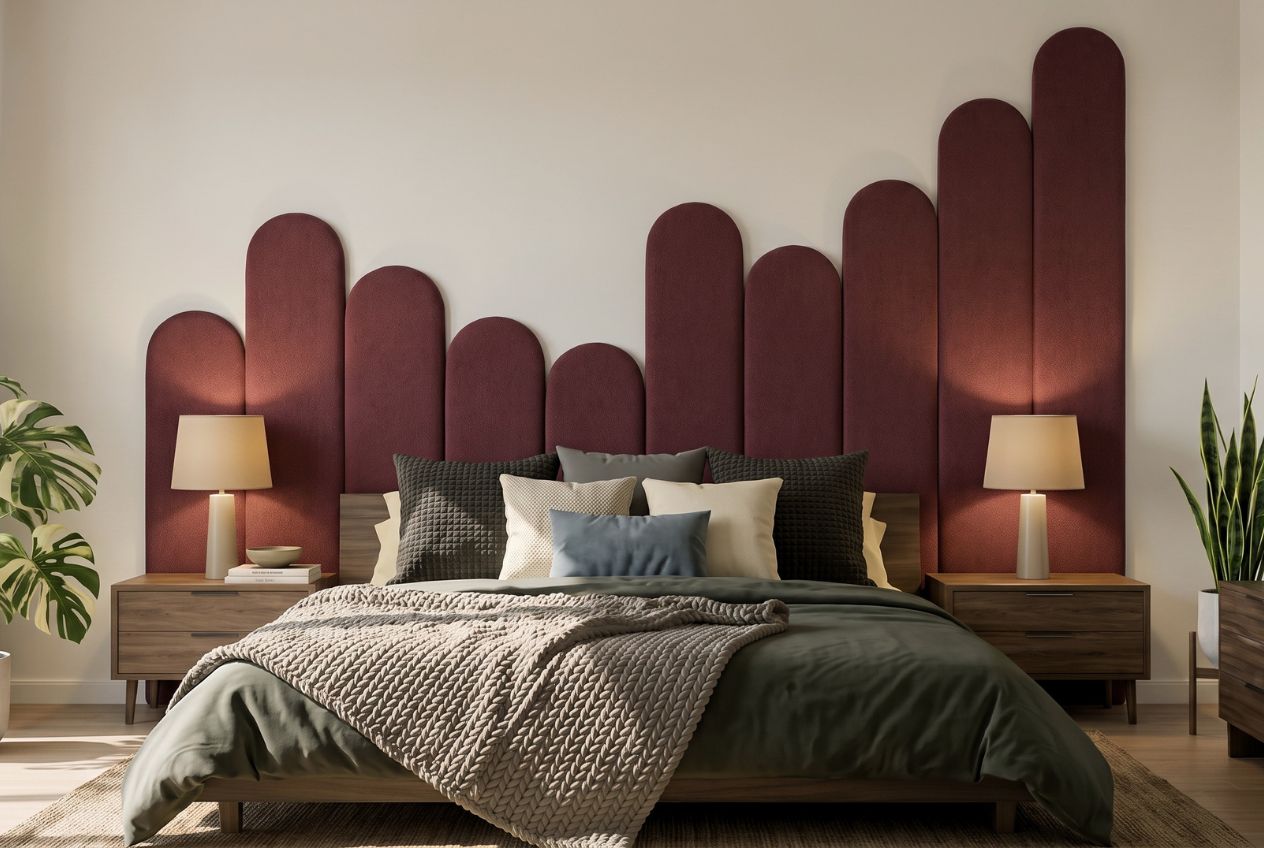
Explore the renter-friendly decor ideas at Liftedplus, where damage-free installation and vibrant, colour-led collections make it possible to style boldly without compromising your lease. If you want to go further, the mood library offers curated design boards to help you find a cohesive direction before you buy a single thing.
FAQ
What is the best way to start decorating a small apartment?
Start with layout and lighting before purchasing any accessories or art. The correct sequence is layout, lighting, foundational furniture, zoning, and then accessories, as this order reduces clutter and creates visual clarity from the outset.
What furniture works best in a studio apartment?
Multifunctional pieces like sofa beds, storage ottomans, and fold-down desks work best because they perform two functions in the footprint of one. Keep silhouettes slender and legs visible to maintain a sense of openness.
How do mirrors make a small apartment feel larger?
A large mirror positioned opposite a window reflects natural light deep into the room and creates the illusion of depth. One large mirror is far more effective than several small ones, which fragment the eye rather than expanding the perceived space.
Can renters decorate without damaging walls?
Yes. Adhesive systems like Command Picture Hanging Strips hold frames up to 4.5 kilograms and remove cleanly without damaging paint. Leaning art and mirrors, tension rod curtains, and removable wallpaper are all renter-safe alternatives to drilling.
What colour scheme suits a small apartment?
Light, neutral, or cohesive colour palettes reflect light and unify a compact space most effectively. A single deeper accent tone on one wall adds character without reducing the sense of openness, provided the remaining surfaces stay pale.