

TL;DR:
- Adding texture transforms a rental space by making it feel more personal and warm.
- Layering natural, soft, and hard textures creates visual interest and cohesion without permanent changes.
- Using reversible products like peel-and-stick wallpaper and removable strips facilitates decorating while protecting deposits.
Adding texture to a rental home is the single most effective way to make a bare, landlord-beige space feel genuinely yours. Texture, in interior design terms, refers to the surface quality of materials and how they interact with light, touch, and visual weight. The good news for renters is that the most powerful texture techniques require zero drilling, no paint, and nothing that can’t be reversed before move-out. This guide covers the texture families you need to know, the renter-friendly products that do the heavy lifting, and the layering principles that separate a styled space from a cluttered one.
What are the main texture families and why does layering them matter?
Interior design experts recommend the “texture triangle” rule: combine at least three distinct texture families for balanced, professional results. Those three families are Natural, Soft, and Hard. Each one plays a different role in the room.
Natural textures include jute, rattan, raw linen, and unfinished timber. They bring organic warmth and a grounded quality that prevents a space from feeling sterile. Soft textures cover velvet, boucle, knitted wool, and brushed cotton. These absorb sound, invite touch, and create the sense of comfort that makes a room feel lived-in. Hard textures include ceramic, lacquered wood, metal, and glass. They provide contrast and visual tension, stopping a room from feeling too soft or shapeless.
The reason layering all three matters is simple. A room furnished entirely in soft textiles reads as flat and slightly formless. A room dominated by hard surfaces feels cold and unwelcoming. The triangle rule forces you to introduce contrast, and contrast is what gives a space its character.
- Natural: jute rug, rattan pendant shade, raw linen curtains
- Soft: velvet cushions, boucle throw, knitted blanket
- Hard: ceramic vase, metal picture frame, lacquered side table
Pro Tip: Start with one anchor piece from each texture family before adding anything else. This prevents the common mistake of buying five soft items in a row and then wondering why the room still feels flat.
Which renter-friendly products help add texture without damage?
An effective rental decor strategy uses three tools: texture, scale correction, and reversible products. The reversible product category has expanded significantly, and the quality now rivals permanent options.
Peel-and-stick wallpaper is the standout product for adding depth to rental spaces. It applies cleanly to smooth walls, creates an instant accent wall, and peels away without residue when applied correctly. Removable hanging strips handle artwork and mirrors without nails. Removable wall decals add graphic texture to otherwise blank surfaces.
| Product | Approximate cost | Best use |
|---|---|---|
| Peel-and-stick wallpaper | $36 per 28 sq ft | Accent walls, feature panels |
| Removable hanging strips | $17 per 38 pieces | Artwork, mirrors, wall decor |
| Jute or wool area rug | $80–$250 | Living room, bedroom floors |
| Textured cushion covers | $20–$60 per pair | Sofa, bed, reading chair |
| Woven wall tapestry | $40–$120 | Bedroom feature wall |
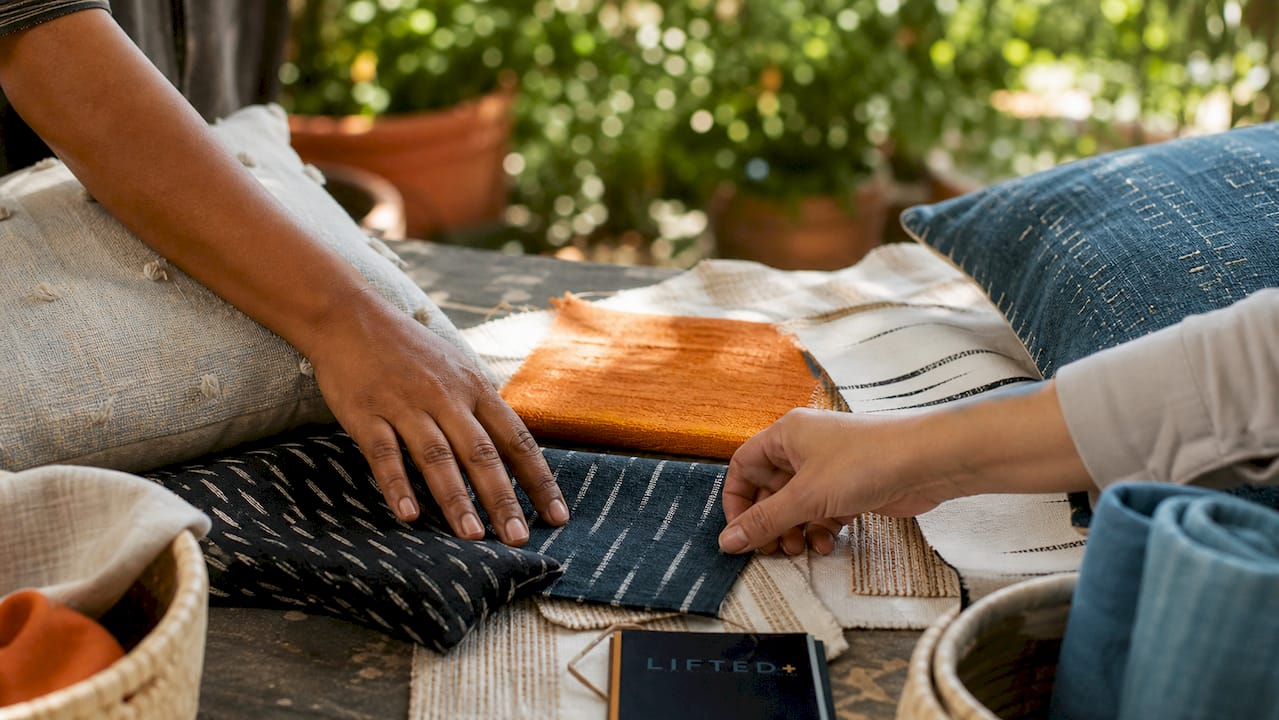
Textiles are the fastest and most forgiving way to layer texture. Rugs, cushions, throws, and curtains all add tactile depth without touching a single wall. They also pack flat when you move, making them the most portable texture investment you can make.
Pro Tip: Test adhesives on a small area for 24 hours before committing to a full wall. Peel-and-stick products near heat sources can fail or leave residue, so keep them away from radiators and sunny windows.
How do you layer and repeat textures for a cohesive look?
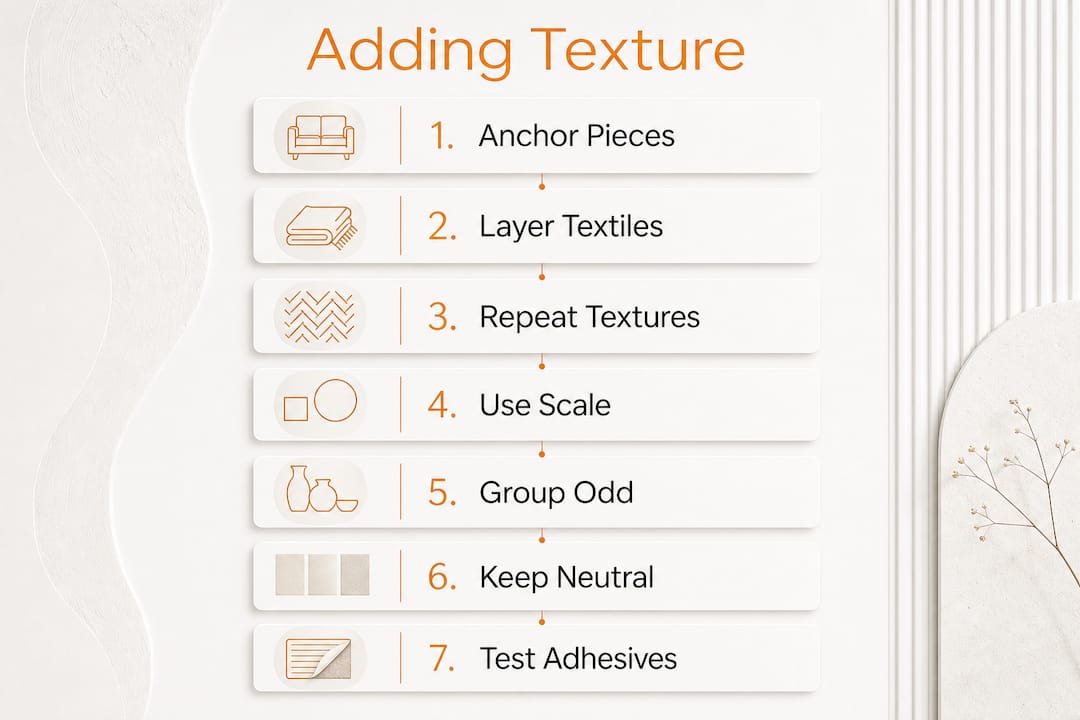
Cohesion in a textured room comes from repetition. Repeating a specific texture at least twice in a room creates visual rhythm and prevents the space from reading as chaotic. A wooden coffee table paired with a wooden picture frame is a simple example. The repetition signals intention rather than accident.
Colour palette is the other lever. Keeping the palette neutral, using creams, beiges, and warm greys, allows you to layer many textures without the room feeling busy. When colour is consistent, the eye reads texture as richness rather than clutter. This is why so many well-styled rental interiors lean into earthy, autumnal tones.
For seating areas, use 2–4 cushions on a loveseat and 4–6 on a larger sofa, mixing fabric textures like linen, corduroy, and velvet. The mix of fabrics creates tactile contrast while the consistent colour palette holds everything together. Avoid matching cushion sets. Matching sets flatten the effect you are trying to create.
Strategic placement matters as much as product selection. Group textured objects in odd numbers, keep negative space around statement pieces, and resist the urge to fill every surface. A single sculptural ceramic vase on a bare shelf has more presence than five small objects competing for attention.
Pro Tip: Layer a chunky knit throw diagonally across one arm of your sofa rather than folding it flat. The casual drape adds visual softness and suggests the kind of lived-in comfort that styled rooms often lack.
Step-by-step guide to adding texture room by room
Working room by room prevents the common mistake of buying everything at once and then struggling to make it feel cohesive. Each room has a primary surface and a supporting cast.
Living room
- Lay an area rug first. Rugs smaller than 8×10 feet make living areas appear disjointed, so size up rather than down. The rug anchors the seating and introduces the first major texture layer.
- Add cushions to the sofa using the 2–4 or 4–6 rule, mixing at least two fabric types.
- Apply a peel-and-stick wallpaper panel to one wall behind the sofa or TV unit. Choose a textured pattern such as grasscloth, linen weave, or geometric relief.
- Hang wall decor without damage using removable strips. A large framed print or woven wall hanging adds vertical texture and draws the eye upward.
- Place one or two hard texture objects, such as a ceramic bowl or metal candle holder, on the coffee table to complete the triangle.
Bedroom
- Layer the bed with a fitted sheet, a flat sheet, a quilt or duvet, and a folded throw at the foot. The bedding layering approach builds tactile depth and visual warmth simultaneously.
- Hang a woven wall tapestry above the bed as a renter-friendly alternative to a painted feature wall.
- Add a bedside rug in a natural fibre such as jute or sisal to ground the space.
- Use a textured lamp shade, such as woven rattan or ribbed ceramic, to introduce hard and natural texture at eye level.
Kitchen and bathroom
Peel-and-stick tiles work well as a temporary splashback in kitchens and as a feature strip in bathrooms. They come in subway, hexagonal, and Moroccan patterns and apply directly over existing tiles in most cases. Fabric window treatments, such as a linen Roman blind or a sheer cotton panel, soften the hard surfaces that dominate both rooms.
Lighting choices carry more texture than most renters realise. A pendant shade in woven rattan or a table lamp with a pleated fabric shade brings both warmth and material interest to any room without touching the existing fittings.
Common mistakes to avoid when decorating a rental
The most costly mistake is not documenting the rental’s condition before you move in. Thorough move-in documentation protects your deposit by establishing a clear baseline. Photograph every wall, floor, and fixture on the day you collect the keys.
- Avoid undersized rugs. A rug that sits only under the coffee table and not beneath the front legs of the sofa visually breaks the room in two.
- Test every removable product on an inconspicuous area before full application. Adhesive behaviour varies by wall paint type and surface texture.
- Store original fixtures, such as light fittings, towel rails, and cabinet handles, in a labelled box. You will need to reinstall them before you move out.
- Prioritise portable, reversible decor over permanent changes. Movable items like rugs and curtains deliver the highest return for the least risk.
“Rental limits sharpen design choices. When you cannot change the walls or floors permanently, you are forced to make every portable piece count. That constraint produces better, more considered interiors than an unlimited budget often does.”
Key takeaways
Adding texture to a rental home requires three things: understanding the texture triangle, selecting reversible products, and applying the repetition rule to create cohesion without clutter.
| Point | Details |
|---|---|
| Use the texture triangle | Combine natural, soft, and hard textures in every room for a balanced, professional result. |
| Choose reversible products | Peel-and-stick wallpaper, removable strips, and textiles add depth without risking your deposit. |
| Apply the repetition rule | Repeat each texture at least twice per room to create visual rhythm and avoid a chaotic look. |
| Size rugs correctly | An 8×10 foot rug or larger anchors seating and adds cohesive texture to living areas. |
| Document before you decorate | Photograph the rental on move-in day to protect your deposit when you restore the space. |
Why texture is the most underrated tool in a renter’s kit
I have styled more rental apartments than I can count, and the single question I hear most often is: “How do I make it feel like mine without losing my bond?” The answer is almost always texture, not colour, not furniture, not art. Texture.
The reason is tactile. A room that reads as flat, regardless of how tidy or well-furnished it is, never feels fully inhabited. The moment you introduce a jute rug, a boucle cushion, and a rattan pendant shade, the room starts to breathe. It holds the light differently. It feels like someone actually lives there.
What I have found is that renters consistently underestimate the power of layering textiles and overestimate the need for permanent changes. You do not need to paint a wall to make it interesting. A large woven tapestry or a gallery of framed prints hung with removable strips does the same work, and it moves with you.
The other thing worth saying plainly: rental constraints are not a design problem. They are a design brief. The renter-friendly decor ideas that work best are the ones that treat portability as a feature, not a compromise. When every piece you own is chosen deliberately and can move to your next home, you build a collection rather than a room.
— Michelle
Texture-led decor, curated for renters at Liftedplus
Renters who want to personalise their space without permanent changes will find Liftedplus has done the curation work for them. The range spans wall art, sculptural lighting, and statement decor pieces that add material presence and colour depth to any rental interior.

Every piece is chosen for form and impact, not trend. Whether you are building your first textured living room or refining a bedroom that already has good bones, the renter-friendly decor collection at Liftedplus gives you pieces that hold a room without touching a single wall permanently. Explore the full range and find the pieces that bring your rental to life.
FAQ
What is the easiest way to add texture to a rental home?
Layering textiles is the fastest and most reversible method. Start with an area rug, add cushions in mixed fabrics, and hang a woven wall piece using removable strips.
Can peel-and-stick wallpaper damage rental walls?
Peel-and-stick products can damage walls if applied near heat sources or removed incorrectly. Always test on a small hidden area for 24 hours before full application.
How many cushions should I use to add texture to a sofa?
Use 2–4 cushions on a loveseat and 4–6 on a larger sofa, mixing at least two different fabric textures such as linen and velvet for the best effect.
What rug size works best in a rental living room?
A rug of at least 8×10 feet anchors the seating area and prevents the room from appearing disjointed. Smaller rugs break the visual flow of the space.
How do I protect my deposit when decorating a rental?
Document the rental condition with photographs on move-in day, store original fixtures safely, and use only reversible, damage-free products throughout your tenancy.