
TL;DR:
- Transitional decor blends traditional warmth and modern simplicity for timeless, comfortable interiors.
- It balances ornate and minimal styles using neutral palettes, soft furniture shapes, and layered textures.
Transitional decor style is defined as the artful blend of traditional warmth and contemporary simplicity, creating interiors that feel timeless, comfortable, and visually balanced. It is the recognised industry term for a design approach that sits deliberately between two extremes: the ornate formality of traditional style and the cool austerity of contemporary minimalism. Where traditional rooms can feel stiff and contemporary rooms can feel cold, transitional interiors feel settled, not staged. The result is a space that holds its appeal for years rather than seasons, built on classic proportions, restrained colour, and considered texture rather than chasing trends.
What are the key characteristics of transitional decor?
Transitional design is defined by a set of visual and material choices that consistently appear across successful interiors in this style. Understanding these characteristics gives you a reliable framework to work from, whether you are starting from scratch or refining an existing room.
Colour palette
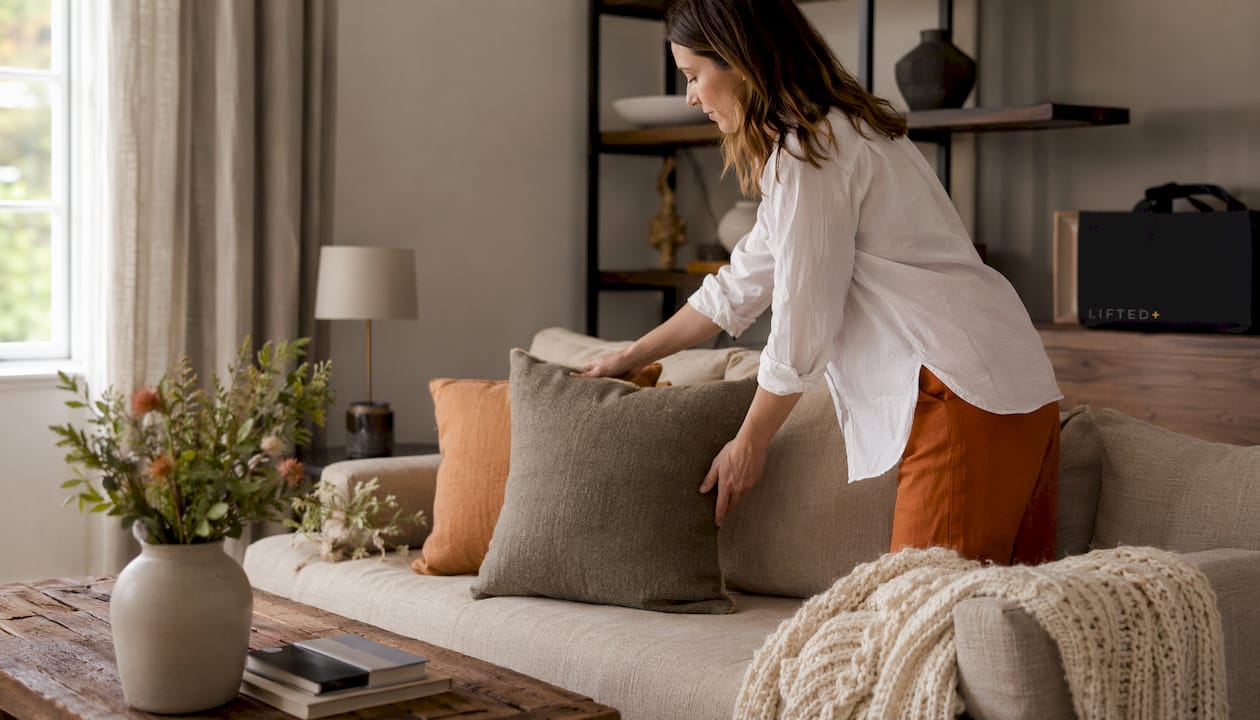
Colour in transitional interiors favours warm whites, greiges, taupes, and soft charcoals as primary backgrounds. These tones create a calm, cohesive foundation that reads as neither stark nor fussy. Deeper accents, such as charcoal, warm navy, or muted terracotta, appear in small doses through cushions, artwork, or a single upholstered piece. Bold or saturated hues are avoided entirely as dominant colours.
Furniture silhouettes
Furniture in transitional interiors features clean, straightforward shapes with soft curves and tactile fabrics like linen and wool. You will not find heavily tufted Chesterfields or sharp modular sectionals. Instead, look for sofas with gentle slope arms, tight backs, and legs in warm timber or brushed metal. The silhouette reads as refined without being rigid.
Architectural detail
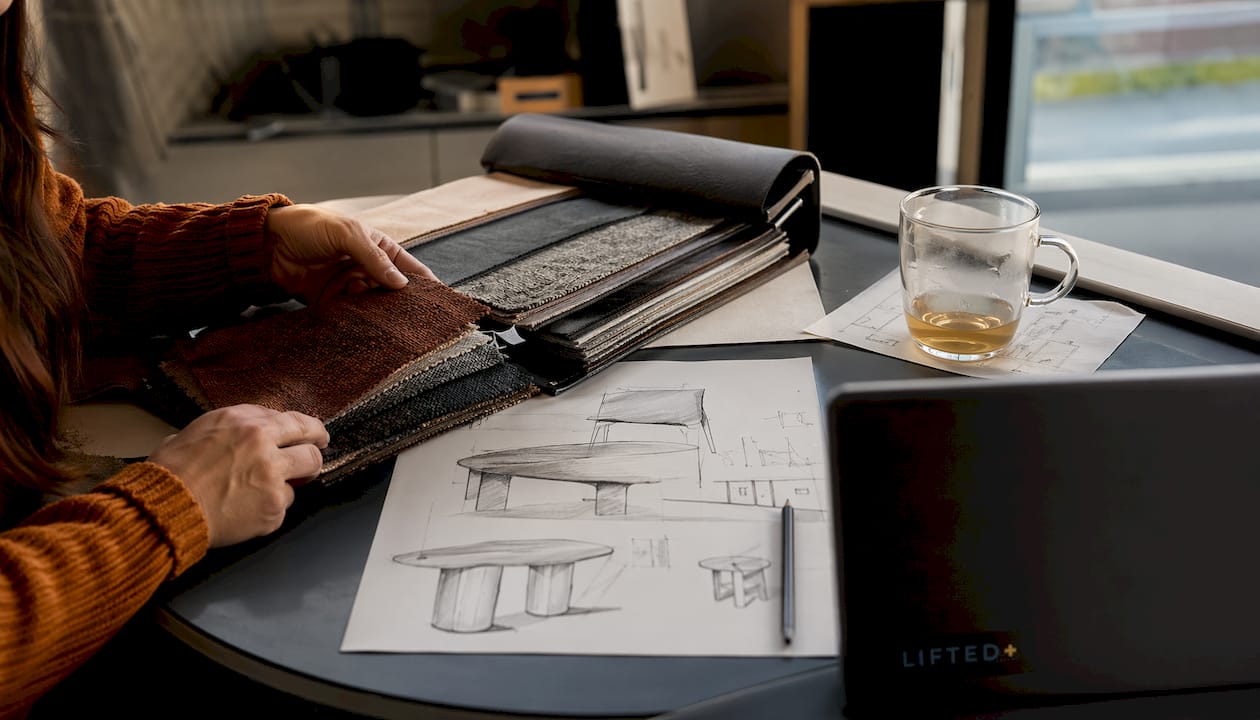
Simple architectural details carry the style without overwhelming it. Shaker cabinetry, subtle crown moulding, and panel doors all appear in transitional homes. These elements nod to traditional craftsmanship while remaining clean enough to sit comfortably alongside contemporary fixtures.
Texture as the hero
Texture acts as the hero in transitional interiors precisely because bold colour and pattern are minimised. Layers of linen, wool, honed stone, brushed metal, and warm timber bring visual and tactile richness to a room that might otherwise feel flat. A jute rug beneath a linen sofa beside a timber side table is a classic transitional composition.
Pro Tip: Layer at least three distinct textures in every room: one soft (linen or wool), one hard and natural (stone or timber), and one with sheen (brushed brass or ceramic). This trio prevents a neutral palette from reading as bland.
How does transitional decor differ from traditional and contemporary styles?
Transitional design sits between traditional and contemporary styles by balancing their best qualities and editing out their weaknesses. Understanding the contrast makes the style far easier to identify and apply.
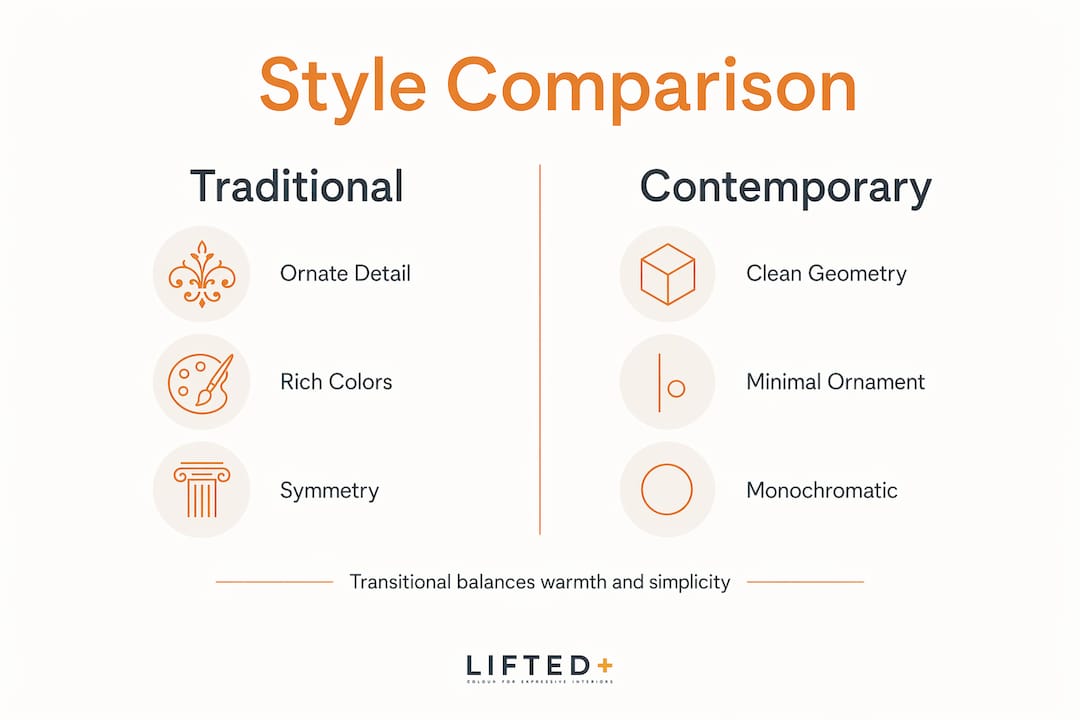
Traditional style leans on symmetry, ornate detail, rich jewel tones, and layered pattern. Think carved timber frames, damask upholstery, and formal arrangements. The result can feel grand but also dated, particularly in Australian homes where the architecture and lifestyle tend toward the relaxed and open.
Contemporary style, by contrast, prioritises clean geometry, minimal ornamentation, and often cool or monochromatic palettes. It can feel current and precise, but without careful handling it reads as cold or impersonal. Rooms styled in pure contemporary minimalism often lack the warmth that makes a home feel genuinely livable.
Transitional style keeps the warmth and comfort of traditional design while editing out the fussiness. It borrows the clean lines of contemporary style while softening the austerity. The comparison below clarifies the key distinctions.
| Attribute | Traditional | Transitional | Contemporary |
|---|---|---|---|
| Colour palette | Rich jewel tones, deep hues | Warm neutrals, soft accents | Cool neutrals, monochromatic |
| Furniture | Ornate, carved, tufted | Soft curves, clean lines | Sharp geometry, minimal detail |
| Pattern | Heavy, layered | Subtle, geometric | Minimal or absent |
| Texture | Plush, layered | Tactile, curated | Smooth, restrained |
| Longevity | Can feel dated quickly | Remains fresh 10–15 years | Trend-dependent |
| Mood | Formal, grand | Warm, refined | Cool, precise |
Pro Tip: If a room feels too cold, add a warm timber element. If it feels too fussy, remove one decorative object and replace it with a simple textural piece. These two moves alone will shift almost any room toward transitional territory.
What practical tips help you achieve transitional style at home?
Achieving transitional decor is less about following a formula and more about developing a clear eye for balance. These steps give you a practical path forward.
-
Start with a neutral base. Paint walls in a warm white, greige, or soft taupe. This palette works as a canvas that accepts both classic and contemporary pieces without conflict. Liftedplus recommends colour palettes for optimistic interiors as a starting point for choosing tones that feel grounded rather than cold.
-
Choose furniture with considered silhouettes. Select sofas, armchairs, and dining chairs that avoid both ornate carving and sharp industrial geometry. A sofa with a gentle curved back and linen upholstery in a warm oatmeal tone is a reliable anchor piece for any transitional living room.
-
Mix eras with intention. One well-aged antique among contemporary clean-lined pieces creates soulful, layered interiors with lasting appeal. A vintage timber side table beside a modern upholstered chair is a classic pairing. The key is curation, not matching.
-
Layer textures deliberately. Practical transitional decor relies on layering linen, wool, stone, metal, and timber across a room. A wool throw over a linen sofa, a honed marble tray on a timber coffee table, and a brushed brass lamp are all working together to build depth. For a deeper guide to this technique, Liftedplus covers designing with texture in detail.
-
Keep patterns minimal and classic. Where pattern appears, choose soft stripes, simple geometrics, or organic weaves. Avoid busy florals or bold graphic prints. A subtle stripe on a cushion or a geometric weave on a rug reads as refined rather than restrained.
-
Use sculptural yet functional lighting. Lighting in transitional spaces combines sculptural aesthetics with practicality. A pendant with a simple organic form over a dining table, a linen shade floor lamp beside a reading chair, and recessed downlights for ambient fill create a layered hierarchy without drama. Window treatments in warm, textured fabrics also contribute to this layered warmth. The 2025 window treatment trends show a clear move toward tailored linen and wool weaves, which sit perfectly within a transitional palette.
-
Edit with restraint. Transitional rooms breathe. Every surface does not need an object. Choose fewer pieces of greater presence rather than filling shelves and tables with collections. A single sculptural vase on a console reads with far more authority than a cluster of mismatched objects.
For Australian homes specifically, the open-plan layouts and strong indoor-outdoor connection common in New Zealand and Australian architecture suit transitional style well. Warm timber flooring, natural stone benchtops, and linen curtains that move with the breeze are all native to this style. The approach adapts equally to a heritage villa in Melbourne and a contemporary build on the Kapiti Coast.
Why is transitional decor a smart long-term investment?
Transitional style is regarded as the design approach most likely to remain aesthetically relevant for 10–15 years because it avoids extremes in both ornament and minimalism. That longevity has real financial and practical implications for homeowners.
The neutral palette and classic proportions mean you can update a room by swapping cushions, artwork, or a rug without replacing furniture. A sofa in warm oatmeal linen will accept a new set of cushions in terracotta one season and dusty blue the next. The bones of the room remain sound.
Transitional interiors offer practical advantages for families as well. Furniture and finishes are chosen for comfort and durability rather than visual effect alone. A performance linen sofa, a honed stone benchtop, and a wool rug are all materials that wear well and age gracefully.
The style also appeals broadly to property buyers. Neutral, well-proportioned interiors photograph well and feel welcoming in person, which matters when a home is on the market. Avoiding dated extremes means less frequent redecoration and a stronger return on the investment made in quality pieces.
The style suits a wide range of architectural contexts. A transitional interior reads as coherent in a 1920s bungalow, a 1970s brick home, and a contemporary townhouse. That adaptability is rare among design styles and makes it a genuinely practical choice for most Australian and New Zealand homes.
Key takeaways
Transitional decor style is the most enduring design approach available to homeowners because it balances warmth, comfort, and clean proportion without chasing trends or committing to extremes.
| Point | Details |
|---|---|
| Core definition | Transitional style blends traditional warmth with contemporary simplicity for timeless, livable interiors. |
| Colour strategy | Build on warm neutrals such as greige, taupe, and warm white, with restrained dark accents. |
| Texture is critical | Layer linen, wool, stone, timber, and metal to prevent neutral palettes from feeling flat. |
| Longevity advantage | Classic proportions and neutral palettes keep transitional interiors fresh for 10–15 years. |
| Curation over matching | One well-aged antique among contemporary pieces creates depth and soul without forced coordination. |
Why transitional style feels like coming home
What strikes me most about transitional design, after years of working with interiors and watching trends come and go, is how honest it is. It does not ask you to perform a lifestyle. It does not demand that you commit to a rigid aesthetic or fill your home with pieces that feel more like a statement than a seat.
The freedom and fluidity of transitional style is what makes it genuinely personal. An antique timber chest beside a clean-lined linen sofa, a brushed brass lamp on a honed stone surface. These combinations feel collected rather than curated by committee. That quality of feeling lived-in without being careless is difficult to achieve and deeply satisfying when you get it right.
For Australian and New Zealand homes in particular, this style fits the way we actually live. We want spaces that are comfortable enough for a Sunday morning and composed enough for a dinner party. Transitional design holds both without compromise.
My honest advice: resist the urge to match everything. Buy one piece that is older than the rest of the room. Let texture do the work that colour and pattern would otherwise do. The result will feel far more like a home and far less like a showroom.
— Michelle
Liftedplus and the art of transitional living
Transitional style rewards the kind of thoughtful, considered approach to decor that Liftedplus was built around. The emphasis on sculptural form, grounded colour palettes, and pieces that carry genuine presence aligns directly with what this style demands.
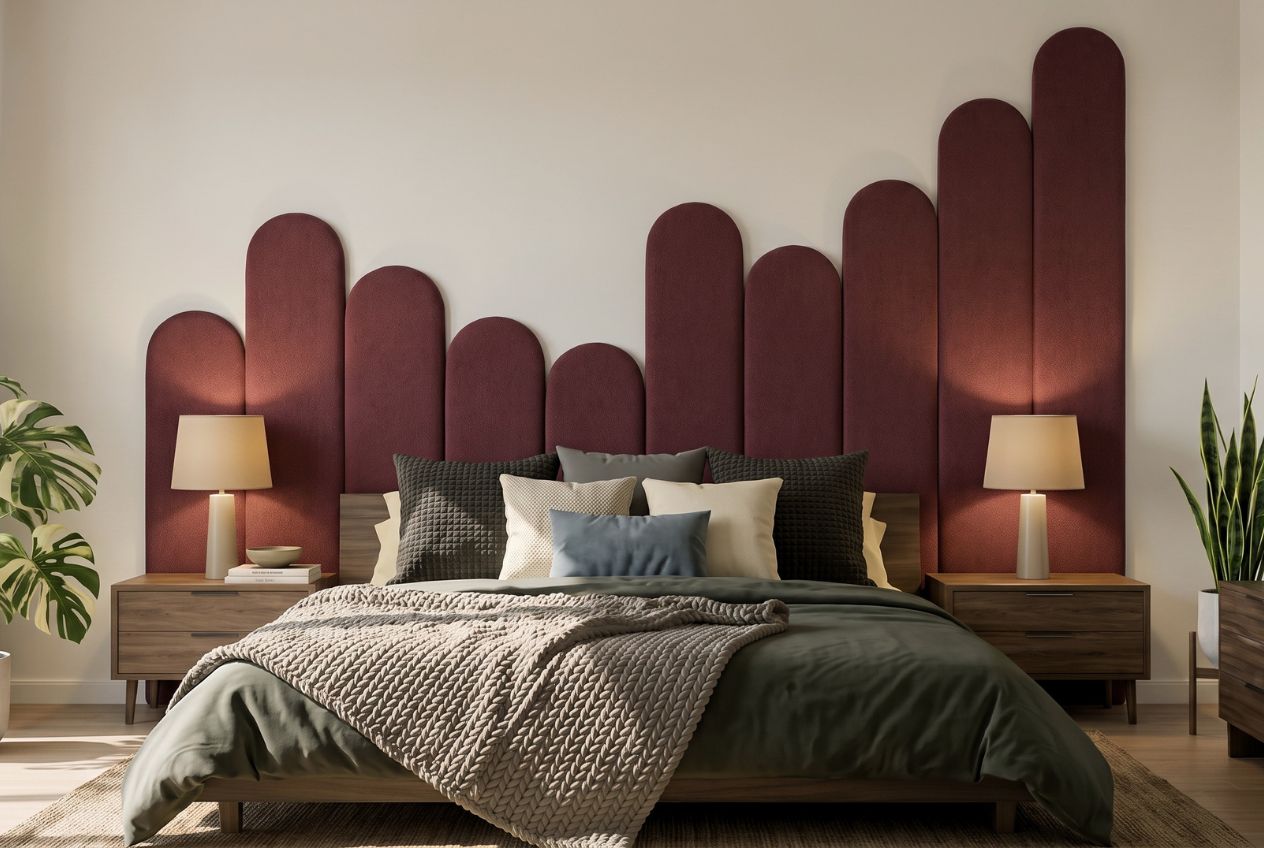
Whether you are working with a neutral base and need a single statement piece to anchor the room, or you are building a layered interior from the ground up, Liftedplus offers curated furniture, lighting, and wall art selected for form and longevity rather than trend. The Mood Library is a practical starting point for visualising how pieces work together before you commit. For readers in rental situations, the guide on personalising your space through decor shows how transitional principles apply even without permanent changes.
FAQ
What is transitional decor style in simple terms?
Transitional decor style is a blend of traditional and contemporary design that creates warm, balanced, and timeless interiors. It avoids the formality of traditional style and the coldness of minimalism by combining classic proportions with clean lines and restrained colour.
What colours work best in a transitional interior?
Warm neutrals such as greige, taupe, warm white, and soft charcoal form the foundation of a transitional palette. Bold or saturated colours are avoided as dominant tones, with deeper accents used sparingly in cushions or artwork.
What furniture suits transitional decor style?
Transitional style furniture features clean shapes with soft curves and tactile upholstery in fabrics like linen and wool. Pieces avoid both ornate carving and sharp industrial geometry, sitting comfortably between the two extremes.
How long does transitional decor stay current?
Transitional interiors are regarded as the most enduring design approach, remaining aesthetically relevant for 10–15 years. This longevity comes from classic proportions and neutral palettes rather than trend-driven choices.
Can transitional style work in a rental property?
Transitional style works well in rental properties because its neutral palette and focus on moveable decor pieces such as rugs, cushions, lighting, and artwork require no permanent changes. Texture layering and curated accessories achieve the look without structural alterations.