

TL;DR:
- Use seasonal colour palettes based on New Zealand’s changing light and seasons.
- Layer textures and materials to add depth and adaptability to interior spaces.
- Incorporate personal local art and objects to create authentic, lived-in modern homes.
Modern interior design in New Zealand carries a particular kind of pressure. The light shifts dramatically between seasons, rooms that look polished in a magazine can feel sterile in reality, and the line between curated and cluttered is surprisingly thin. Many homeowners know what they want to feel walking into a room, but struggle to translate that feeling into specific, confident choices. This article works through that gap. From seasonal colour palettes and layered textures to sculptural lighting and locally sourced objects, these tips are grounded in the realities of New Zealand living, not imported design dogma.
Table of Contents
- Start with a seasonal colour palette
- Layer textures and materials for depth
- Embrace minimalism with bold, artistic accents
- Light your home for mood and functionality
- Curate and personalise with local art and objects
- Our take: Modern interiors should be lived in, not just admired
- Ready to transform your modern space?
- Frequently asked questions
Key Takeaways
| Point | Details |
|---|---|
| Embrace seasonal colour | Start your design with a colour palette that reflects New Zealand’s ever-changing seasons for a vibrant, cohesive interior. |
| Layer textures and finishes | Mix different materials and textiles to create spaces that are inviting and multi-dimensional. |
| Combine minimalism with bold accents | Balance simplicity with statement art and objects for an artistic, uncluttered look. |
| Use lighting strategically | Layer lighting sources for both mood and function, ensuring your home adapts to NZ’s natural light. |
| Personalise with local art | Decorate with meaningful pieces and objects by local artists to make your space truly your own. |
Start with a seasonal colour palette
Colour is where every interior conversation should begin. Not because it is the easiest decision, but because it anchors everything else. In New Zealand, the role of colour in interior design carries extra weight because our seasons shift the quality of light so dramatically. A palette that feels warm and grounded in autumn can look flat and muddy by a bright spring afternoon.
The most effective approach is to draw your palette directly from the season you are designing for. Autumn in New Zealand offers deep terracotta, burnt amber, olive, and forest floor browns. Winter calls for slate greys, charcoal, and the kind of deep teal you see in a southern sky. Spring invites dusty sage, blush, and warm stone. These are not abstract colour theory concepts. They are the actual shades sitting outside your window.
For those working with compact rooms, small living room colour ideas can help translate these seasonal palettes into practical wall and furnishing choices without overwhelming the space.
“Layering textures and materials creates depth in modern spaces, especially with NZ’s variable light.”
When testing colours, consider how the sample looks at three different times of day: morning, midday, and evening. New Zealand’s northern light tends to be sharp and bleaching, while southern homes receive a softer, cooler light. Both will alter your palette significantly. Pin fabric swatches and paint samples to the wall for at least three days before committing. What reads as burnt orange on Saturday morning may shift closer to red-brown by Sunday afternoon.
The palette does not need to be complicated. Three to four tones with one statement shade is more than enough to give a room presence and seasonal seasonal colour inspiration.
Pro Tip: Test paint and fabric swatches in the actual room at different times of day before purchasing. Colours behave differently under NZ’s sharp northern light versus the cooler, more diffuse southern exposure.
Layer textures and materials for depth
Once your palette is set, the next task is building sensory depth. Colour draws the eye in, but texture is what makes a space feel inhabited rather than styled for a photo shoot. The two work together, and neither can carry a room alone.
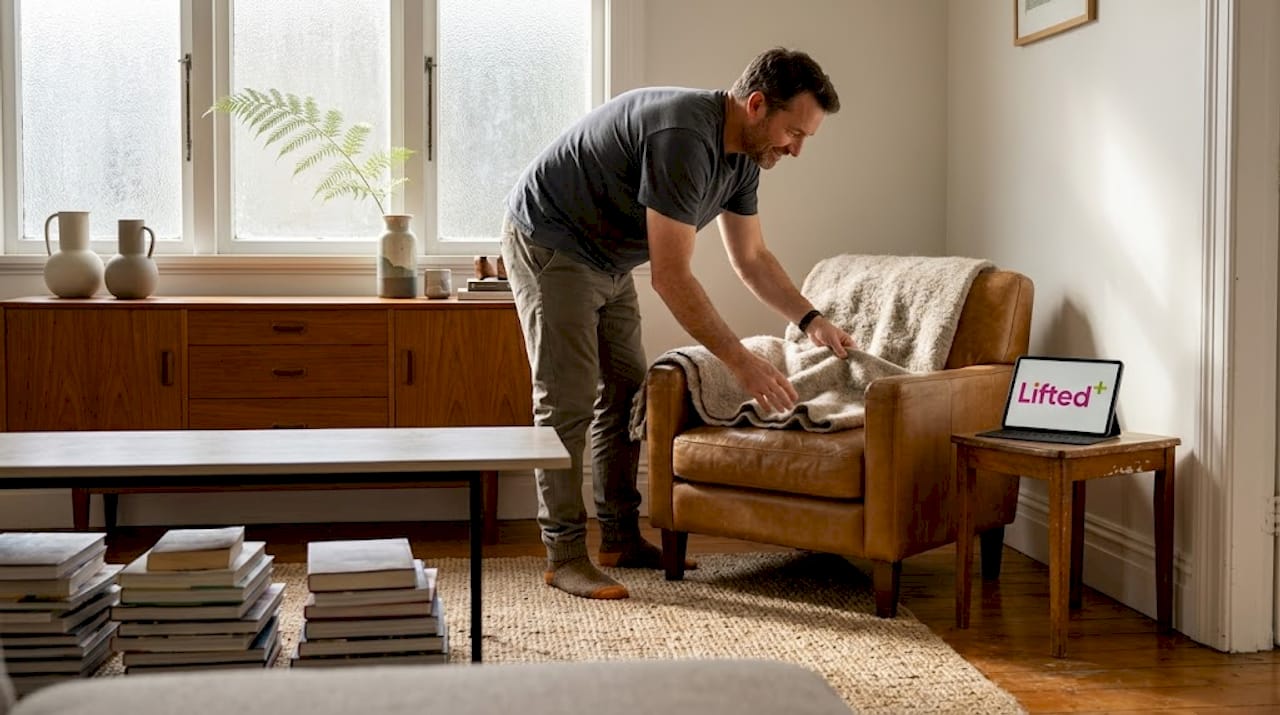
New Zealand’s variable light means that layering expert advice consistently points to texture as the tool that keeps a room interesting across conditions. A flat, matte wall with smooth linen furniture will look thin and washed out on a bright summer afternoon. Add a bouclé throw, a timber side table with a visible grain, and a woven ceramic bowl, and the room suddenly holds.
Here is a practical sequence for building texture:
- Start with your largest surface, the rug. Choose natural fibres like wool or jute. These materials absorb light rather than reflect it, which grounds the space.
- Add your primary seating in a contrasting finish. If your rug is rough and natural, consider a low-sheen linen or velvet sofa.
- Introduce hard materials at the mid-level: a stone side table, a timber shelf, a glass vase. Hard and soft elements in conversation with each other create the tension that makes a room feel resolved.
- Layer smaller textiles. Throws, cushions, and table runners give you seasonal flexibility without structural commitment.
- Add a tactile accent object. A handthrown ceramic, a sculptural wooden bowl, or a woven wall piece brings the eye to rest.
You can layer decor objects like a stylist by thinking in planes: floor, mid-level, and eye-line. Distribute your materials across all three.
| NZ light condition | Best material pairing |
|---|---|
| Sharp northern sunlight | Linen, aged timber, matte ceramics |
| Soft southern light | Velvet, bouclé, warm-toned stone |
| Coastal glare | Rattan, pale wool, bleached wood |
| Winter overcast | Wool, leather, dark-stained timber |
For more on vibrant NZ interior styling, the principle is consistent: work with your light, not against it.
Pro Tip: Adjust your textile layers seasonally. Lighter, looser weaves in summer, heavier and more structured in winter. It takes fifteen minutes and transforms the feel of a room entirely.
Embrace minimalism with bold, artistic accents
Minimalism is often misread as emptiness. In practice, a well-executed minimalist space is one of the most demanding design challenges precisely because every object earns its place. There is nowhere to hide, and that is what makes a bold accent so powerful.
The approach that works in modern NZ homes is not bare minimalism, where the room feels unfinished, but accentuated minimalism, where restraint makes the statement pieces louder. As seasonal accent strategies suggest, the most effective method is to contrast with seasonal pops for artistic elevation without adding clutter.
| Bare minimalism | Accentuated modern minimalism |
|---|---|
| No decorative objects | One or two considered statement pieces |
| Neutral palette only | Neutral base with one bold seasonal colour |
| Functional furniture only | Sculptural or artisan furniture as focal point |
| No art | Large-scale artwork as the room’s anchor |
Choosing your accent is the critical moment. For minimalist interiors with colour, one strong piece tends to be more effective than three moderate ones. Think of a large artwork hung low and alone on a wall. A sculptural floor lamp in a deep bronze finish. A single oversized vase in a burnt clay glaze placed on an otherwise empty shelf.
“Restraint is not the absence of personality. It is the decision to let one thing speak for everything else in the room.”
For those in apartments or smaller spaces, wall art ideas for NZ apartments offer considered options that create presence without crowding.
Start by identifying the room’s natural focal point: the wall opposite the entrance, the space above a fireplace, the area framed by a window. Place your single statement there. Then leave the rest deliberately open.
Light your home for mood and functionality
A room can be perfectly coloured and beautifully textured and still feel wrong. Often, the missing element is light. Specifically, the wrong kind of light in the wrong place at the wrong time.
Layered lighting means using multiple sources across four categories: ambient (the general fill), task (focused and functional), accent (to draw attention to art or objects), and sculptural (the fitting itself as a design statement). In a modern NZ living room, you might have a guide to mood lighting NZ that uses a ceiling pendant for ambient, a reading floor lamp for task, a directional picture light for accent, and a dramatically shaped table lamp that holds the room even when it is switched off.
New Zealand’s NZ lighting challenges are real. In winter, natural light drops significantly in the South Island, and even in Auckland, the afternoon sun retreats early. This makes artificial lighting a genuine design tool, not an afterthought.
Dimmers are non-negotiable. A fixed overhead light that cannot be adjusted forces a room into one mood. A dimmer lets your lighting behave like a living thing, contracting in the evening, expanding in the morning.
Common mistakes to avoid:
- Relying on a single overhead light source for the whole room
- Using cool white bulbs in warm-toned spaces, which strips colour from walls and textiles
- Ignoring corners, where shadow accumulates and the room starts to feel smaller
- Choosing a pendant purely for aesthetics without considering its lumen output
For a full picture of how types of designer lighting can shape a modern interior, the range of sculptural options is broader than most homeowners expect.
Curate and personalise with local art and objects
The last layer of any modern interior is also the most personal. Art and decorative objects are where a space stops looking like a showroom and starts looking like it belongs to someone specific. In New Zealand, we have an extraordinary pool of local makers, ceramic artists, weavers, and painters to draw from, which means personalising a space does not require expensive imported pieces.
Selecting art that reflects New Zealand landscapes or cultural themes creates a coherent sense of place. A print from a local landscape painter, a hand-thrown vessel from a Central Otago ceramicist, or a woven wall piece by a Māori or Pasifika maker brings something that no imported catalogue piece can offer: genuine roots in the land you live in.
Personalising with seasonal decor works beautifully when you treat your shelves and surfaces as a rotating gallery rather than a fixed arrangement.
To curate your home’s decor styles effectively, follow this sequence:
- Choose a tray or a section of shelf as your vignette zone. This defines the boundary of the arrangement.
- Select objects at three different heights: something tall, something mid-height, and something low and wide.
- Mix materials within the group: ceramic beside timber beside a small framed artwork.
- Introduce one element with personal meaning, something collected, gifted, or made locally.
- Step back and remove one item. Restraint always improves a vignette.
For those exploring apartment living with colour, this approach works particularly well in compact spaces where every surface counts.
Pro Tip: Rotate your smaller decorative objects every season. Move pieces from room to room, retire some temporarily, reintroduce them three months later. Familiarity breeds invisibility, and rotation keeps your eye engaged.
Our take: Modern interiors should be lived in, not just admired
Here is the honest view we hold at Lifted+: the most beautifully designed spaces we encounter are never the ones frozen at a single moment of perfection. They are the ones that show evidence of a life actually lived inside them. A throw that has been used. A shelf that has been rearranged. A piece of art added not because it matched the sofa, but because it moved someone.
The design advice in most magazines is built around a photograph taken on one specific day. It does not account for winter rain light, for the way a room has to function as a workspace on Tuesday and a dinner setting on Saturday. New Zealand homes in particular deserve a timeless modern interior guide rooted in adaptability, not aspiration.
Start with your favourite local piece. Let the palette follow it. Build the texture around it. Let the lighting serve it. That sequence, beginning with something that already matters to you, produces spaces that feel genuine rather than assembled.
Authenticity and function are not the enemies of beauty. They are what make beauty feel worth having.
Ready to transform your modern space?
Putting these ideas into practice becomes much easier when you have the right tools and the right pieces. At Lifted+, we have built a curated collection designed precisely for modern New Zealand interiors, with seasonal palettes, sculptural lighting, and statement wall art selected for local light conditions and local sensibilities.
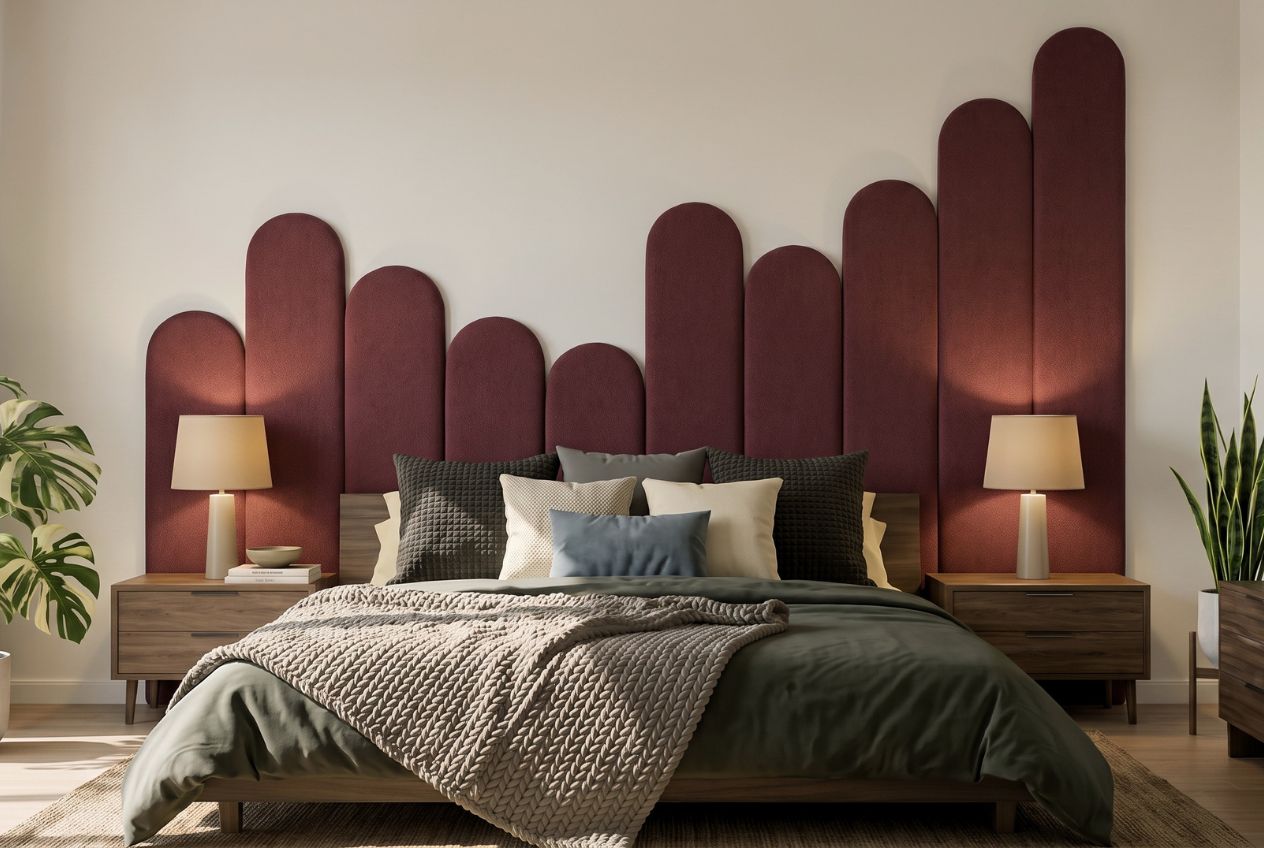
If you are ready to move from inspiration to action, explore how to layer home decor like a stylist with guidance that takes you from bare room to fully realised space. Browse our wall art options for statement pieces chosen to anchor modern NZ interiors. And when you are ready to build your own visual direction, our mood library is the place to start.
Frequently asked questions
What colours work best for modern NZ interiors?
Soft neutrals paired with rich seasonal hues such as deep green, burnt orange, and ocean blue work beautifully with New Zealand’s light. Drawing from NZ seasons for your palette ensures the colours remain cohesive as the light shifts.
How do I use art in a minimalist space?
Choose one or two bold, large-scale works to anchor the room and leave the surrounding space deliberately open. Contrasting with seasonal pops through a single artwork achieves artistic elevation without visual noise.
Which materials add the most depth to modern rooms?
Natural materials including wool, linen, timber, and stone layered at different scales create the most visual and tactile depth. Layering textures and materials is especially effective in NZ environments where light quality shifts with the season.
How can lighting change the feel of a modern home?
Layered lighting combining ambient, task, and accent sources gives you control over mood and function throughout the day. Lighting tailored to NZ’s variable light can transform a flat, static room into something that shifts and breathes with the hours.