
TL;DR:
- Layering warmth, texture, and personal objects through damage-free decor transforms rentals into cozy, personalized homes. Using reversible tools like peel-and-stick wallpaper, strategic lighting, textiles, and flexible furniture arrangements avoids damage and increases comfort. Small, intentional additions create a lived-in atmosphere that feels both stylish and deeply personal without permanent changes.
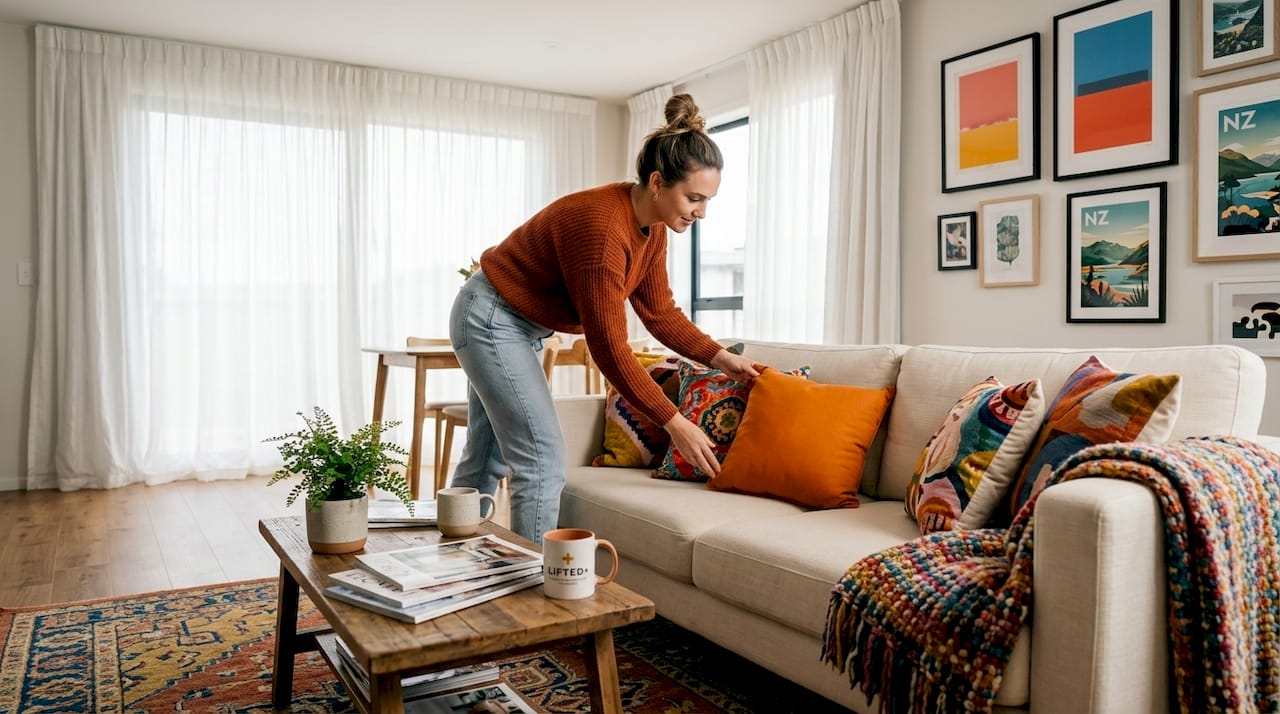
Making a rental feel like home is defined by one principle: layering warmth, personality, and texture across a space without touching a single wall permanently. The tools that do this work are not expensive or complicated. Warm-white bulbs, area rugs, throw pillows, and Command strips are the foundation of renter-friendly interior design, a discipline focused on reversible, deposit-safe personalisation. What separates a rental that feels hollow from one that holds you is not ownership. It is intention, and the willingness to treat a temporary space as worthy of real care.
What renter-friendly decor tools actually work without damage
Renter-friendly decorating is built on one rule: every change must be fully reversible. Unauthorised painting can cost between $300 and $800 per room in deposit deductions, which means the stakes for getting this wrong are real and financial. The good news is that the market for damage-free products has matured considerably, and you now have genuinely stylish options at every price point.
Peel-and-stick wallpaper is the most transformative single product available to renters. Brands like Tempaper and Chasing Paper produce designs that apply cleanly to smooth walls and remove without residue, provided you follow the surface preparation instructions. A single feature wall in a bedroom or behind open shelving in a kitchen can shift the entire character of a room.
Adhesive hooks and picture-hanging strips from 3M Command are the standard for wall art and lightweight shelving. The critical detail most renters miss is weight capacity testing. Overloading adhesive hooks causes wall damage at move-out, which is exactly the outcome you are trying to avoid. Check the rated capacity on the packaging, then stay well under it for anything you plan to hang long-term.
Area rugs, freestanding shelving, and leaning bookcases require no wall contact at all. A leaning bookcase or narrow cabinet creates architectural interest and storage without a single drill hole. These pieces also travel with you, which makes them a genuine investment rather than a sunk cost.
Pro Tip: Always test peel-and-stick wallpaper on a small, hidden section of your wall first. Surface type matters enormously. Textured or freshly painted walls can cause adhesion failures or pull paint on removal.
Before you begin any personalisation project, photograph every wall, floor, and fixture in detail. Store the originals of any hardware you swap out, such as towel rails or cabinet handles, in a labelled bag. This protects your deposit and gives you confidence to personalise more freely.
How to layer lighting for warmth and ambience in a rental
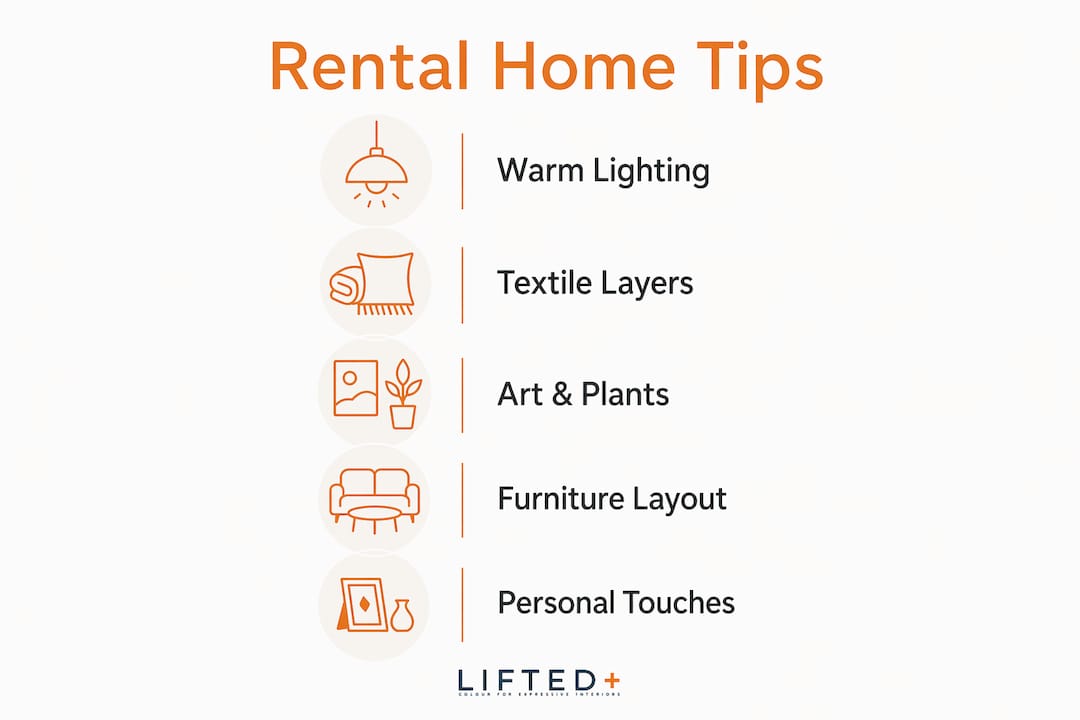
Lighting is the single most powerful tool for transforming a rental’s atmosphere, and it costs nothing permanent to change. Replacing harsh overhead bulbs with warm-white alternatives and adding multiple light sources at different heights changes a room’s entire emotional register. The overhead fitting stays. The bulb and the lamps you add are yours to take when you leave.
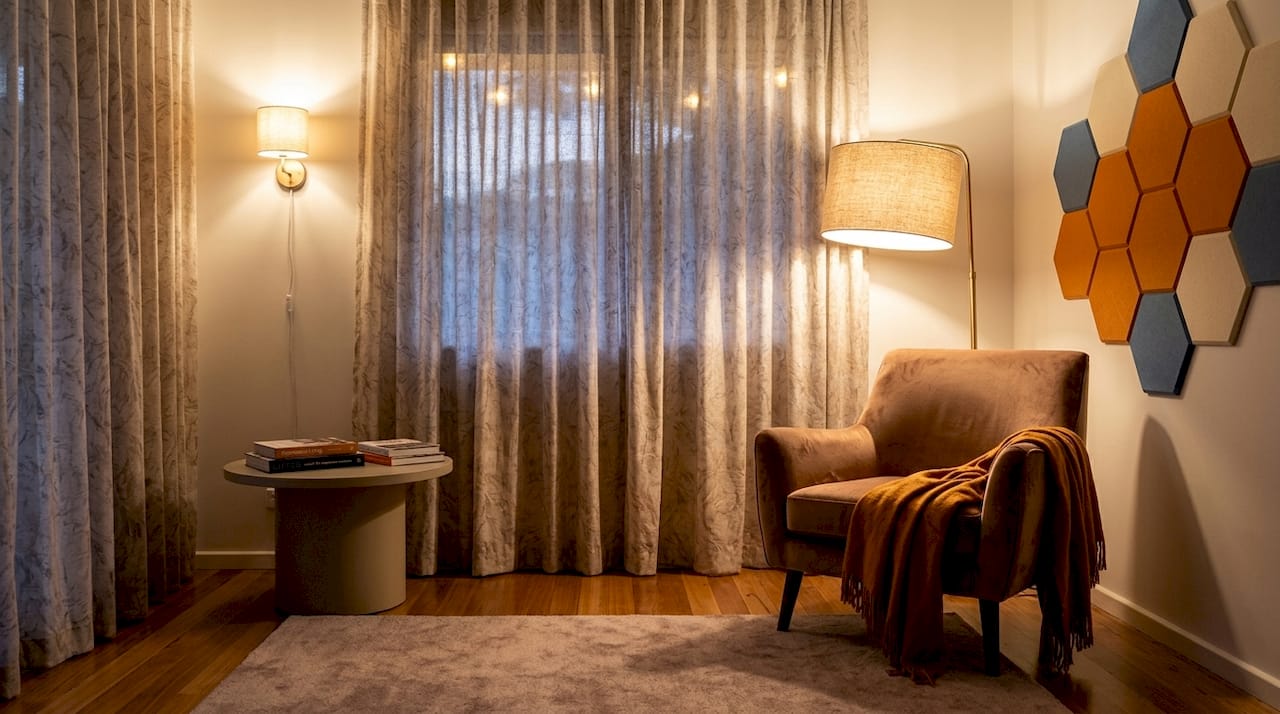
The colour temperature of your bulbs matters more than most renters realise. The target range is 2700K to 2900K, which produces a soft, amber-adjacent warmth rather than the clinical brightness of cool-white globes. This single swap, costing under $20, pulls a room out of the utilitarian and into the genuinely liveable.
Layering means building a hierarchy of light sources across three levels.
- Ambient light from your overhead fitting, softened with a warm bulb or a fabric shade placed over a pendant.
- Task light from a floor lamp or table lamp positioned near seating or a desk, which adds both function and a warm pool of light at eye level.
- Accent light from a small table lamp, a plug-in LED strip behind a shelf, or a candle grouping, which adds depth and draws the eye through the room.
Plug-in sconces are one of the most underused tools in rental lighting. They hang on the wall with a single adhesive hook or a small picture nail, plug into a standard socket, and produce the kind of bedside or reading light that makes a bedroom feel genuinely considered. Paired with a layered lighting approach, they solve the problem of the single overhead bulb that flattens every room it touches.
Pro Tip: Swap your overhead bulb for a warm-white globe first, before buying any lamps. You will immediately see what the room needs next, rather than guessing in the wrong light.
What role do textiles and rugs play in a lived-in rental?
Soft furnishings and layered textiles transform a rental from generically furnished to genuinely inhabited. This is not decorative sentiment. Texture absorbs sound, adds visual weight, and signals that someone tends the space with care.
Area rugs are the most structurally important textile in any room. A rug that is too small floats awkwardly in the centre of a space and makes furniture feel disconnected. The standard rule is that at least the front legs of every major seating piece should sit on the rug. In a bedroom, the rug should extend at least 60 centimetres beyond the sides and foot of the bed. Getting the size right is the difference between a room that coheres and one that simply contains furniture.
Curtains deserve more attention than most renters give them. Replacing plastic blinds with bamboo Roman shades or full-length fabric curtains adds polish, warmth, and privacy in one move. Hang curtain rods with Command hooks rated for the weight, or use tension rods inside the window recess for a completely damage-free solution. Hang curtains as high and as wide as the wall allows. This makes ceilings feel taller and windows feel larger.
| Textile | What it does for the space |
|---|---|
| Area rug (correct size) | Anchors furniture, defines zones, adds warmth underfoot |
| Full-length curtains | Adds height, softens light, replaces cheap blinds visually |
| Throw blankets | Introduces colour and texture, signals comfort and habitation |
| Cushion covers | Fastest way to shift a colour palette without buying new furniture |
Investing in fewer, quality textiles rather than many cheap ones produces a curated result rather than a cluttered one. Two well-chosen cushion covers in a considered colour will do more for a sofa than six mismatched ones. Restraint here is a design decision, not a budget limitation.
How to personalise with art, plants, and everyday rituals
Personalisation is what separates a space that looks styled from one that genuinely feels like yours. Joy and sensory comfort from light, texture, scent, and meaningful objects define home more than any permanent modification ever could. This is the section where renters most often hold back, and it is precisely where the greatest return on effort lives.
Gallery walls are achievable in rentals with the right approach. Use 3M Command picture-hanging strips, keep frames lightweight, and plan your arrangement on the floor before committing to the wall. A collection of three to five pieces in complementary frames creates a visual anchor without requiring a single nail.
Plants bring something no object can replicate: the sense that the space is alive and tended. Large floor plants like a fiddle leaf fig or monstera transform dead corners into design moments. Trailing plants on shelves add eye-level interest and movement. If your light is limited, pothos and ZZ plants thrive in low-light conditions and require minimal attention.
Scent is the most underestimated layer in any interior. Candles and diffusers with warm notes like sandalwood, amber, or vanilla create a welcoming atmosphere that works on visitors and on you. A consistent scent ritual, lighting the same candle when you arrive home, becomes a sensory cue that signals safety and belonging. Linen sprays applied to cushions and curtains extend this effect throughout the day.
Pro Tip: Unpack fully within the first week of moving in. Boxes signal transit, not habitation. Putting everything away, even imperfectly, commits you psychologically to the space and makes it feel like yours far faster than any decor purchase.
The act of organising your belongings with intention, books arranged by colour or height, kitchen items grouped by use, creates continuity and comfort that no single decorative object can manufacture.
How to arrange furniture for a welcoming rental home
Furniture arrangement is the structural layer beneath everything else, and most renters get it wrong in the same way. Pushing furniture to walls creates a waiting-room atmosphere, with seating arranged around the perimeter and an empty void in the centre. Pulling seating inward to form a conversational grouping changes the room’s entire social geometry.
The practical steps are straightforward.
- Identify the room’s focal point. This might be a window, a fireplace, a television, or a piece of art. Orient your primary seating toward it.
- Pull sofas and chairs at least 30 centimetres from the wall. The gap feels counterintuitive in a small space, but it creates depth and makes the room read as larger, not smaller.
- Define zones in open-plan spaces. Use a rug, a freestanding bookcase, or a change in lighting to signal where the living area ends and the dining area begins.
- Use freestanding storage to solve layout problems. A leaning bookcase used as a room divider adds storage, defines space, and requires no installation.
Modular and portable furniture, pieces that stack, fold, or reconfigure, are worth prioritising when you are furnishing a rental. They adapt to different floor plans as you move, and they do not commit you to a layout that may not suit the next space.
Key takeaways
Layering warm lighting, renter-friendly textiles, and personal objects transforms a rental into a home without permanent changes or deposit risk.
| Point | Details |
|---|---|
| Warm lighting first | Swap to 2700K–2900K bulbs and add floor or table lamps before buying any other decor. |
| Damage-free tools | Use 3M Command strips and peel-and-stick wallpaper, always testing weight limits and surfaces first. |
| Correct rug sizing | Place rugs so furniture legs sit on them; undersized rugs disconnect a room visually. |
| Personalise with scent and plants | Candles, diffusers, and living plants create atmosphere that objects alone cannot replicate. |
| Pull furniture from walls | Inward seating arrangements create conversation zones and prevent the waiting-room effect. |
Why I stopped waiting to feel at home in my rentals
The honest truth about renting is that most of us treat our spaces as provisional. We tell ourselves we will invest when we own, when the lease is longer, when the landlord is more flexible. That thinking costs you years of living in spaces that feel borrowed rather than inhabited.
What I have found, after styling dozens of rental interiors, is that the transformation rarely comes from a single purchase. It comes from layering. One warm lamp, one well-sized rug, one plant in a corner that was previously dead space. Each addition compounds the last. The room begins to hold you rather than simply contain you.
Quality over quantity is not a cliché here. It is the practical reality of renter decorating. Two considered pieces will outlast and outperform ten cheap ones, and they will travel with you to the next space. The restrictions of renting are real, but they are narrower than most renters believe. The freedom within them is wider than you think.
— Michelle
Bring your rental to life with Liftedplus
Liftedplus curates decor specifically suited to renters who want genuine style without the risk of deposit loss. From sculptural lighting pieces that plug in and transform a room’s atmosphere, to wall art designed for removable hanging solutions, the range is built around the principle that a rental deserves the same considered approach as any owned home.
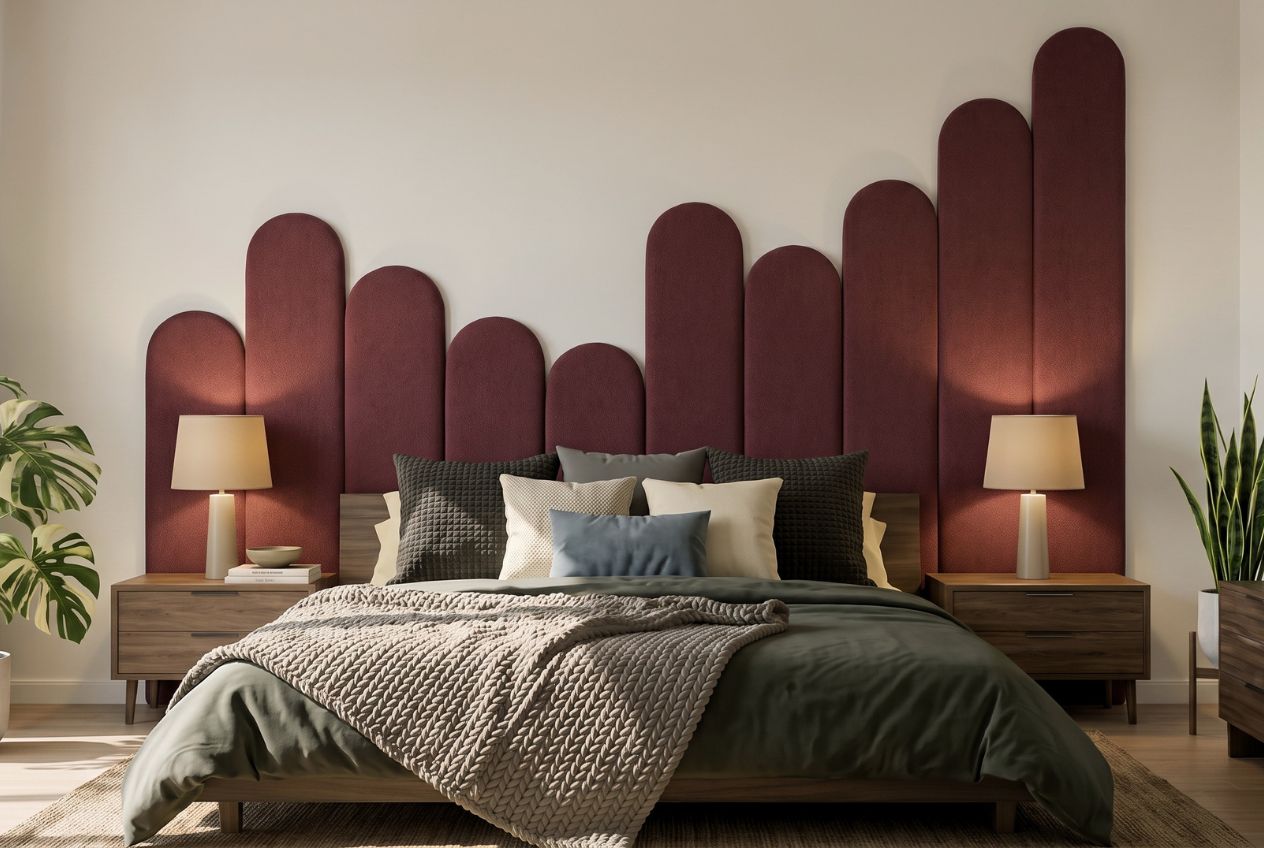
Whether you are starting with lighting or looking for renter-friendly decor ideas that work across different lease types, Liftedplus offers both the products and the editorial guidance to make the process feel considered rather than compromised. Explore the full collection and find pieces that hold their presence in any space you call home.
FAQ
What is the easiest way to make a rental feel like home?
Swap cool-white overhead bulbs for warm-white globes in the 2700K to 2900K range and add a correctly sized area rug. These two changes address light and texture simultaneously and cost very little to reverse.
Can I hang art in a rental without losing my deposit?
3M Command picture-hanging strips allow you to hang lightweight frames without nails, provided you stay within the rated weight capacity and remove them carefully at move-out. Always photograph walls before and after.
What size rug should I use in a rental living room?
Choose a rug large enough for the front legs of all major seating pieces to sit on it. In most living rooms, this means a rug of at least 200 by 290 centimetres, though the correct size depends on your specific floor plan.
Are peel-and-stick products safe for rental walls?
Damage-free personalisation depends on surface type and property management rules. Always test peel-and-stick wallpaper on a small hidden section first, and check your lease before applying any adhesive product to walls.
How do I make a small rental feel more spacious?
Pull furniture away from walls to create conversational groupings, hang curtains as high and wide as the wall allows, and use a single large rug rather than several small ones. These three moves create depth and visual coherence without requiring more floor space.