
TL;DR:
- Tactile design uses textures and materials to create sensory depth and warmth in modern homes. Layering contrasting textures on floors, walls, and furnishings enhances space and fosters comfort over time. The most effective interiors focus on thoughtful architectural textures and curated accessories to communicate intentionality and personality.
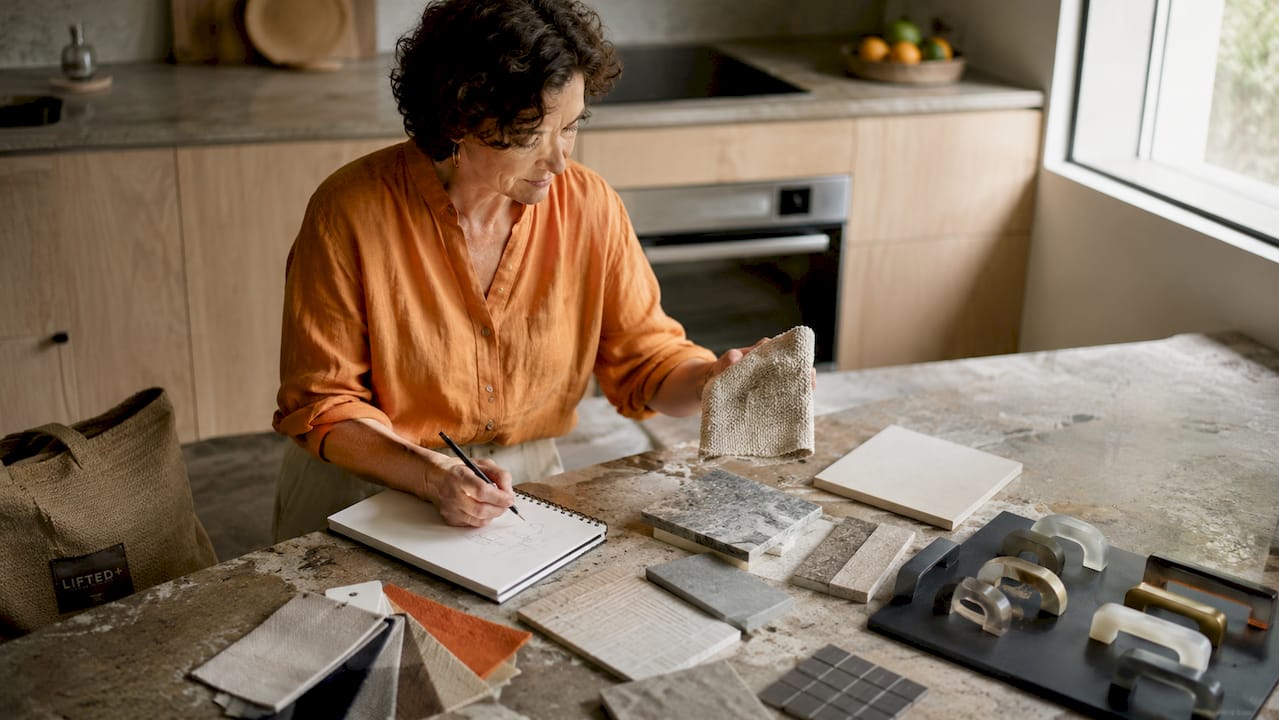
Tactile design is defined as the intentional use of texture, material, and surface variation to engage the senses and shape how a space feels, not just how it looks. The best tactile design ideas for modern homes move well beyond visual styling. They use layered textures and sensory materials to create warmth, depth, and a sense of presence that a flat, polished room simply cannot hold. In 2026, the shift away from high-shine laminates and polished marble toward lime plaster, brushed timber, and fluted concrete marks a genuine change in how we understand comfort at home. Texture is no longer decoration. It is the design.
1. Tactile design ideas for modern homes: the core principles
Tactile design, also called haptic design in professional practice, works by giving surfaces a physical quality that the eye reads as warmth or weight. A room with only smooth, reflective finishes feels complete but cold. Add one rough-hewn stone wall or a wool throw draped over a linen sofa, and the room begins to breathe.
The core principle is layering. You build from the floor up, introducing materials that contrast in finish, weight, and temperature. Each layer adds a new sensory note without competing with the others. Think of it the way a composer builds a chord: individual tones that resolve into something richer together.
Textured surfaces like lime plaster and brushed timber scatter light rather than reflect it directly, producing a layered, richer appearance. That quality is what gives a room its depth. It is also why a single textured wall can do more for a space than a full renovation.
2. Key tactile materials to use in modern interiors
Choosing the right materials is where tactile design becomes concrete. Each material carries its own sensory signature, and the best rooms combine several of them deliberately.
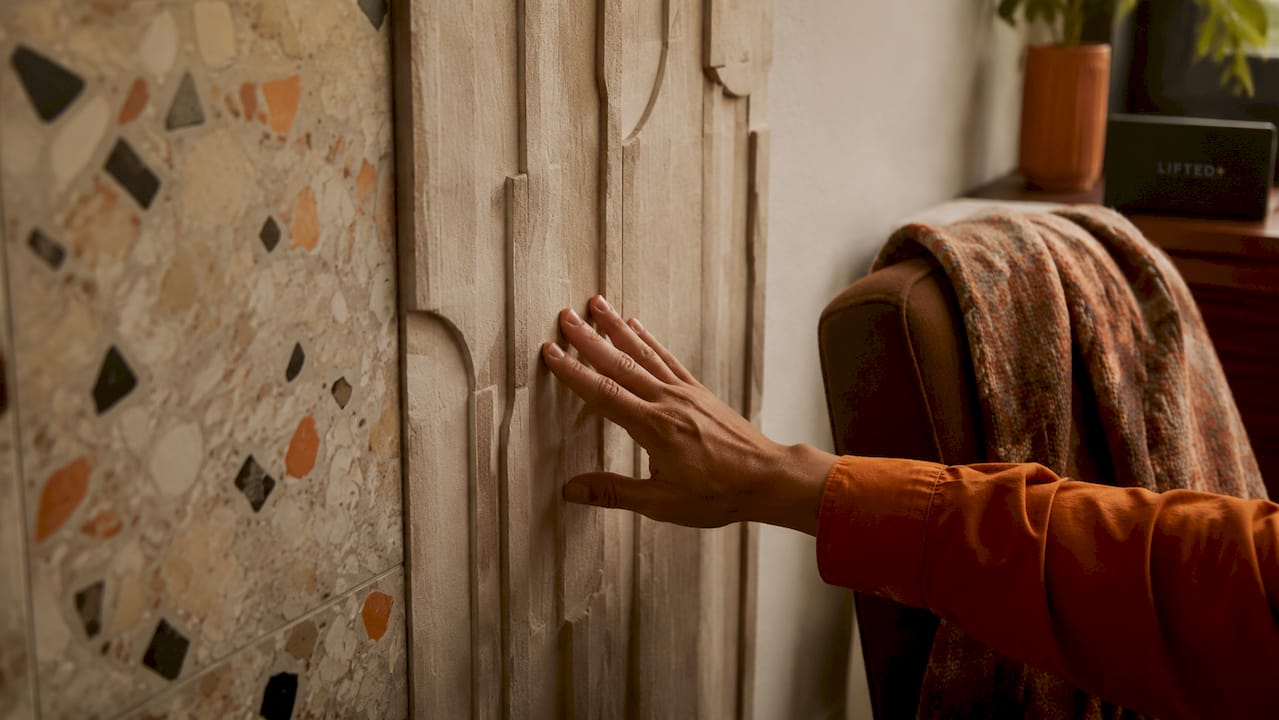
Brushed timber reads as warm and organic. It ages into a patina that personalises a space over time, and its grain catches light differently across the day. Use it on floors, joinery, or a feature wall panel.
Lime plaster is the material of the moment for good reason. Its matte, slightly chalky surface absorbs light rather than bouncing it, making walls feel like they have weight and presence. It suits living rooms and bedrooms equally well.
Honed stone sits cooler to the touch than timber and works beautifully in kitchens and bathrooms. Its subtle surface variation gives it visual interest without demanding attention.
Organic wool and raw silk bring what designers now call haptic warmth, a quality no synthetic fibre replicates. Used in rugs, cushions, and upholstery, they provide the sensory counterbalance that a home full of hard surfaces needs.
Fluted concrete and grooved cladding add architectural rhythm. Grooved textures in vertical cladding create multidimensional depth without ornamentation, and they work across kitchens, bathrooms, and facades.
Pro Tip: Choose at least one material in each room that will age visibly and gracefully. A lime plaster wall or a brushed timber floor develops character over years, making your home feel more personal, not more worn.
3. How to balance contrasting textures for a cohesive result
Mixing textures is where most homeowners hesitate. The instinct is to stay safe: all smooth, or all rough. Neither works. A room needs contrast to feel intentional rather than accidental.
The principle designers rely on is opposites attract. Pair a bold, large-scale texture with something delicate. A heavily textured limewash wall reads best against a smooth, low-profile sofa. A chunky boucle armchair earns its place beside a sleek marble side table.
The key to preventing visual clutter is a curated colour palette. When your textures share a tonal family, even strong contrasts feel resolved. Autumnal ochres, warm terracottas, and deep sage greens hold together even when the surfaces beneath them vary wildly in finish.
Layering finishes like high-shine lacquer with textured wallcoverings creates multidimensional depth without clutter. This approach, known in professional practice as High Touch design, treats the room as a composition rather than a collection of individual choices.
Pro Tip: Apply the 60-30-10 rule to texture as well as colour. Let one dominant texture set the tone, a secondary texture add contrast, and a third act as an accent. Three textures, well chosen, are always enough.
4. Textured floors: the tactile foundation of a room
Flooring is the largest tactile surface in any home, and it is the one you interact with most directly. Tactile flooring materials strongly affect comfort through their thermal sensation, acoustic properties, and feel underfoot. Getting this choice right sets the tone for every other decision in the room.
Brushed hardwood floors feel warm underfoot and absorb sound, making them ideal for living rooms and bedrooms. Natural stone, particularly honed rather than polished, works in kitchens and entry halls where a cooler, more grounded feel suits the function of the space. Textured tiles, whether handmade terracotta or relief-patterned ceramic, add visual interest at floor level without requiring anything else on the walls.
The practical benefit is significant. Brushed timber and handcrafted tiles hide fingerprints and wear far better than high-shine surfaces, ageing into graceful patinas that make a home feel lived in rather than tired.
5. Textured walls: where tactile design makes its boldest statement
Walls are the most visible surface in a room, and textured finishes are the fastest way to shift its atmosphere. Limewash paint creates a soft, uneven depth that changes with the light across the day. Venetian plaster produces a smoother, more luminous surface with a subtle sheen. Fluted concrete panels bring an architectural edge that suits contemporary and industrial-influenced spaces.
True tactile luxury manages micro-climates through material choices. Cool-to-the-touch Venetian plaster suits transition areas like hallways and entries. Warm velvets and textured wallcoverings belong in intimate zones like bedrooms and reading nooks. The material you choose for a wall communicates the purpose of the room before a single piece of furniture is placed.
For homeowners who want texture without commitment, statement wall art with sculptural relief or layered mixed media achieves a similar effect. It concentrates tactile interest on one wall without requiring a full surface treatment.
6. Soft furnishings and upholstery as sensory design tools
Soft furnishings are the most accessible entry point into tactile design. They require no tradesperson and no structural change. A linen sofa, a boucle cushion, a raw silk curtain: each one adds a layer of sensory information that a room without them simply lacks.
The choice of fabric matters more than most homeowners realise. Linen reads as relaxed and natural. Velvet reads as rich and grounded. Boucle reads as tactile and inviting. Mixing two or three of these in the same room, held together by a shared colour palette, produces the layered warmth that defines modern tactile aesthetics.
Window treatments are an underused opportunity. Tactile textures in window fabrics like linen, raw cotton, and woven wool add warmth and sensory appeal while also managing light and privacy. A heavy linen curtain does more for a room’s atmosphere than almost any other single addition.
7. Sculptural accessories and objects that bring texture to the air
Accessories are where tactile design becomes personal. A ceramic vase with a rough, unglazed exterior. A woven basket with visible structure. A sculptural timber bowl that invites you to pick it up. These objects do not just sit in a room. They give it texture at eye level and hand level simultaneously.
The best accessories have what designers call presence: a quality of weight or form that holds the room even when nothing else is happening. Sculptural pieces in stone, ceramic, or hand-cast metal achieve this. They bring shape to the air around them, making a shelf or a side table feel considered rather than filled.
The rule is restraint. Three well-chosen objects with genuine tactile quality outperform a shelf crowded with smooth, mass-produced pieces. Choose things you want to touch, and the room will communicate that quality to everyone who enters it.
8. Practical benefits of tactile design beyond aesthetics
Texture functions as a practical design tool, not mere decoration. Texture improves grip on high-use objects and defines spatial zones without verbal instruction. A textured runner in a hallway signals transition. A rough-hewn stone hearth anchors a living room. These cues work on the body before the mind registers them.
Textured surfaces also perform better over time. They conceal fingerprints, minor scratches, and the general evidence of daily life in ways that polished surfaces never can. A matte lime plaster wall looks as good after five years of living as it did on day one. A high-gloss painted wall does not.
The emotional case is equally strong. Homes in 2026 function as sensory refuges from digital overload. Natural materials that communicate warmth through touch, not just sight, create environments where people genuinely rest. That is not a styling choice. It is a functional one.
“Texture in design functions as a functional weapon to improve user experience and communicate intent without words.” — The Gritty Renaissance
Key takeaways
Tactile design works because layered textures engage the senses in ways that colour and form alone cannot, creating rooms that feel as good as they look.
| Point | Details |
|---|---|
| Layer from the floor up | Start with flooring, then walls, then soft furnishings and accessories for a cohesive sensory build. |
| Use the opposites attract principle | Pair bold textures with delicate ones, and hold them together with a shared colour palette. |
| Choose materials that age well | Brushed timber, lime plaster, and handcrafted tiles develop patina over time rather than showing wear. |
| Texture serves function, not just style | Textured surfaces define zones, improve grip, and conceal daily wear better than smooth finishes. |
| Restraint produces the strongest result | Three well-chosen textures per room outperform a space where every surface competes for attention. |
My honest view on the tactile shift in modern interiors
I have watched the interior design conversation shift dramatically over the past few years, and the move toward texture is the most meaningful change I have seen. For a long time, the aspiration was the perfectly minimal room: white walls, polished concrete, nothing superfluous. It looked extraordinary in photographs and felt sterile to live in.
What tactile design does is restore the body to the equation. When you walk into a room with a lime plaster wall, a wool rug underfoot, and a boucle sofa, you feel it before you see it. That is not a small thing. That is the difference between a room you photograph and a room you live in.
The mistake I see most often is treating texture as a trend to apply rather than a principle to understand. Homeowners add one textured cushion to an otherwise smooth room and wonder why it does not land. Texture needs company. It needs contrast. It needs to be layered with intention across multiple surfaces before it does its work.
My advice is to start with the floor and the largest wall. Get those two surfaces right, and the rest of the room will follow. Do not wait until you have the perfect sofa or the perfect artwork. Texture at the architectural level changes everything beneath it.
The rooms I find most compelling in 2026 are not the ones that follow any particular trend. They are the ones where someone has clearly thought about how the space will feel to inhabit, not just how it will look in a photograph. That is the real promise of tactile design, and it is available to every homeowner willing to think beyond the visual.
— Michelle
Liftedplus and the art of sensory-rich interiors
Liftedplus curates furniture, lighting, and wall art with the kind of sculptural presence and grounded colour that tactile design demands. Every piece is chosen for form and feeling, not just appearance.

If you are ready to build a room that engages the senses as well as the eye, the Liftedplus mood library is the place to start. It offers curated visual direction across colour palettes and material combinations, helping you see how pieces work together before you commit. For homeowners who want to understand how decor shapes the feeling of a space, the guide on how decor personalises your space offers a clear, practical framework. Liftedplus makes it straightforward to move from inspiration to a room that genuinely holds you.
FAQ
What is tactile design in interior decorating?
Tactile design is the intentional use of varied textures and materials to engage the sense of touch and create sensory depth in a space. It goes beyond visual styling to shape how a room physically feels to inhabit.
How do I start adding texture to a modern home?
Begin with the two largest surfaces: the floor and the main wall. A brushed timber floor or a lime plaster wall creates a tactile foundation that makes every subsequent choice easier and more cohesive.
What tactile materials work best in modern interiors?
Lime plaster, brushed timber, honed stone, organic wool, and fluted concrete are the most widely used tactile materials in modern interiors as of 2026. Each brings a distinct sensory quality and ages well over time.
Can tactile design work in a small space?
Texture works particularly well in small spaces because it adds depth without requiring physical volume. A single textured wall or a layered arrangement of soft furnishings can make a compact room feel far more considered and warm.
Does textured decor require more maintenance?
Textured surfaces like brushed timber and lime plaster actually require less visible maintenance than polished finishes. They conceal fingerprints and minor wear naturally, ageing into a patina that improves the character of a home over time.