
TL;DR:
- Timeless decor is built on quality materials, proportion, and craftsmanship that endure across eras. It relies on natural materials, architectural detail, and neutral fixtures rather than fleeting trends. Balancing permanent fixtures with flexible accents and cultivating an educated eye ensures a space remains compelling over time.
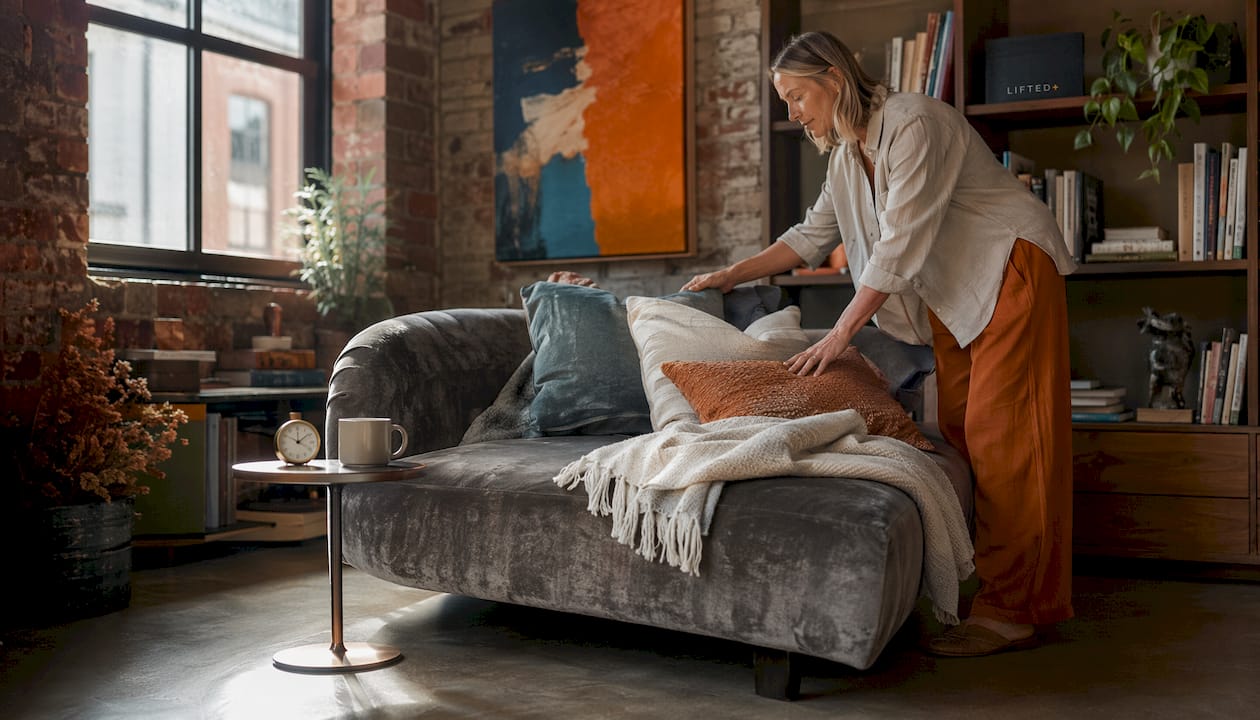
Timeless decor is defined by proportion, natural materials, and quality craftsmanship that holds its appeal across generations, styles, and decades. Unlike trend-led interiors that date within a few seasons, enduring style draws on a proven vocabulary: hardwood, marble, and linen used across centuries of architecture and domestic life. What makes decor timeless is not a single aesthetic or colour palette. It is a set of principles that prioritise quality over novelty, balance over spectacle, and character over perfection. Understanding these principles gives you the foundation to build a home that feels right today and remains compelling years from now.
What are the foundational elements of a timeless home?
Timeless decor emphasises proportion, natural materials, and quality craftsmanship over any specific aesthetic or passing trend. That distinction matters because it shifts the focus from “what is fashionable” to “what endures.” A room built on these principles holds its presence regardless of what appears in this season’s design magazines.
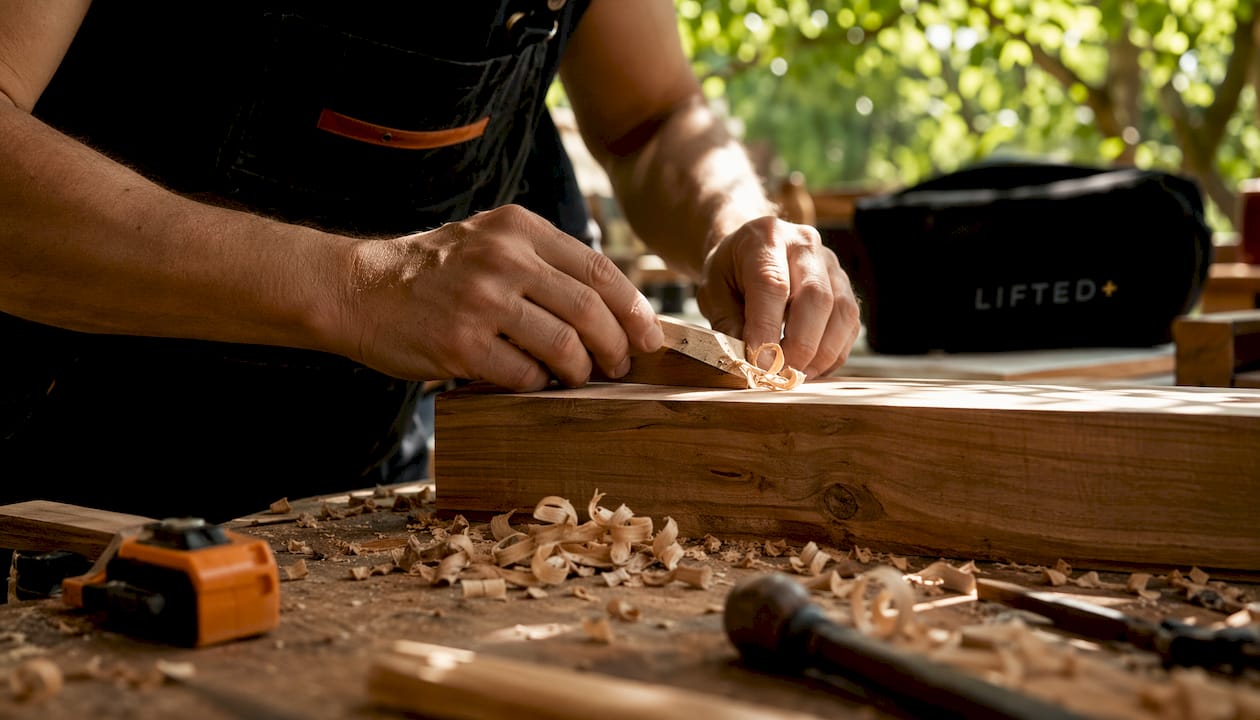
Natural materials form the backbone of enduring interiors. Hardwood floors, stone benchtops, linen upholstery, and solid timber joinery carry a track record measured in centuries, not seasons. These materials age honestly. Leather develops a patina. Hardwood shows character. Materials that age gracefully support lasting style in a way that synthetic finishes chosen purely for initial impact simply cannot.
Architectural features carry equal weight. Traditional millwork, crown mouldings, panelled walls, and symmetrical layouts give a room structure and visual calm. These elements do not shout for attention. They hold the room quietly, providing a frame within which furniture and accessories can breathe. A well-proportioned room with good bones forgives a great deal.
Permanent fixtures deserve your most considered choices. Flooring, cabinetry, upholstery, and lighting have the greatest impact on long-term look and feel and should result from quality and neutral selections. Choosing a warm white oak floor or a stone-grey benchtop gives you decades of flexibility. Choosing a highly specific trend finish locks you into a moment.
- Natural materials: Hardwood, stone, linen, leather, and solid timber have proven their staying power across Roman architecture, Georgian interiors, and contemporary New Zealand homes alike.
- Architectural detail: Crown mouldings, panelling, and symmetrical layouts provide structure that anchors any furniture arrangement.
- Neutral permanent fixtures: Flooring and cabinetry in warm neutrals give you a base that works with almost any accessory palette.
- Honest finishes: Choose surfaces that improve with age rather than those that simply look good on the day of installation.
Pro Tip: When selecting flooring or cabinetry, hold your sample against natural light at different times of day. A finish that reads as warm and neutral in morning light will serve you across every season and style shift.
How can homeowners balance timeless bases with flexible accents?
The most practical principle in timeless decorating is also the most financially sound. Invest the largest share of your budget in permanent fixtures like flooring and cabinetry, and spend less on accessories. This approach gives you a stable foundation while preserving the freedom to refresh your space without expensive overhauls.
Cushions, throws, artwork, and ceramics are your flexible layer. These pieces introduce colour, texture, and personality without commitment. Updating them every few seasons keeps a space feeling current without touching the bones of the room. A linen sofa in warm oatmeal will carry a terracotta cushion palette this year and a deep sage one the next.
The most enduring rooms combine old and new. A balanced mix of pieces from different eras creates visual depth and prevents the “showroom” quality that dates a room quickly. A mid-century timber sideboard alongside a contemporary ceramic lamp and a vintage oil painting reads as considered, not confused.
Avoid the matchy-matchy trap. When every piece in a room shares the same finish, tone, and era, the result feels flat and, paradoxically, less timeless. Mixing textures, finishes, and periods creates the layered quality that makes a room feel lived-in and genuinely personal.
- Set your budget hierarchy. Allocate the majority of your spend to flooring, cabinetry, and upholstered frames. These are the pieces you will live with longest.
- Choose a neutral base palette. Warm whites, soft beiges, and muted taupes give you a flexible, livable backdrop that absorbs seasonal updates without conflict.
- Layer in flexible accents. Cushions, throws, and artwork are your seasonal tools. Change them freely without guilt.
- Mix eras deliberately. Pair a contemporary piece with something vintage or inherited. The contrast adds life.
- Resist full sets. Buying a matched dining suite or a coordinated bedroom package removes the visual tension that makes a room interesting.
Pro Tip: When you find a cushion or throw you love but are unsure about, buy it. Accessories at this price point are low-risk experiments. The worst outcome is a trip to the op shop. The best outcome is a room that finally feels right.
Why does an educated eye matter for enduring style?
Timeless decor is not a fixed destination. It is an active pursuit that requires education, observation, and regular reassessment. Experts recommend visiting auctions and historic homes to train the eye and develop an instinct for proportion, scale, and harmony. That instinct is what separates a room that simply looks expensive from one that genuinely holds its presence over time.
The common misconception is that timeless means neutral, quiet, and safe. A room stripped of personality in pursuit of inoffensiveness is not timeless. It is sterile. Timelessness requires an active, ongoing effort to cultivate an educated eye through exposure to historic design and regular reassessment of what is working in your own space.
Regular audits of your furniture and accessories keep a room in balance. Walk through your home with fresh eyes every six months and ask whether each piece still earns its place. Consider its proportion relative to the room, its relationship to neighbouring pieces, and whether it still serves a function.
- Visit auctions and antique markets. Handling pieces of genuine age sharpens your sense of quality and proportion faster than any online catalogue.
- Study historic homes. Georgian, Federation, and mid-century interiors each demonstrate how proportion and material selection create rooms that outlast their era.
- Reassess regularly. Regular evaluations of furniture and lighting ensure pieces remain in proportion and harmony with the room’s function and scale.
- Learn to read a room. Understanding curated decor and intentional style is a skill built through observation, not instinct alone.
The same principle applies to outdoor spaces. Designers working on enduring architectural design consistently return to proportion, material honesty, and structural clarity as the markers of lasting appeal, indoors and out.
How does personalisation and layering create a timeless environment?
A timeless room is not a museum. It carries the evidence of a life lived in it. Personal touches, including family photographs, travel souvenirs, inherited objects, and books with broken spines, give a space warmth that no amount of careful styling can manufacture. These elements are not clutter. They are the difference between a room that looks right and one that feels right.
“The rooms that stay with you are never the perfectly styled ones. They are the ones where someone’s life is visible in the objects, the wear on the furniture, and the way the light falls on things that matter.”
Layering materials and tones prevents the sterility that comes from an overly neutral, overly careful approach. Effective timeless design incorporates layering of materials and tones to create visual interest, even when the bones of the home stay simple. A room with timber floors, linen upholstery, a wool rug, and a ceramic lamp already has four distinct textures working together before a single artwork goes on the wall.
The secondary market is one of the most underused tools in building a timeless interior. Vintage wood tables and linen armchairs often offer superior construction compared to mass-market alternatives and contribute a sense of history that new pieces cannot replicate. Shopping vintage also naturally avoids the matchy-matchy aesthetic that dates a room. When selecting durable materials for lasting appeal, the same logic applies: proven performance over time outweighs initial visual impact.
- Incorporate personal objects. A room without personal meaning is a hotel lobby. Choose objects that carry a story.
- Layer textures. Wood, linen, metal, ceramic, and stone each bring a different quality of light and touch to a room.
- Shop the secondary market. Items bought secondhand frequently outperform mass-market pieces in materials and construction.
- Use colour through accessories. Keep your base warm and neutral, then introduce colour through cushions, artwork, and ceramics that can shift with your mood and the season.
What common pitfalls undermine timeless decor?
The most frequent mistake is overcommitting to a trend. A fully themed room, whether it is maximalist rattan, stark Japandi, or coastal grandmother, reads as a moment in time rather than a considered home. Trends are tools, not commitments. Trends should function as tools employed only where they meet the home’s genuine functional and aesthetic needs.
Neglecting proportion in favour of aesthetics is equally damaging. A beautiful piece in the wrong scale pulls a room apart rather than holding it together. An oversized sofa in a small room, or a delicate pendant in a double-height space, creates visual tension that no amount of styling resolves.
The all-neutral trap catches many homeowners who equate timelessness with restraint. A room of warm whites and beiges without layering, personal objects, or textural contrast becomes lifeless. Timelessness requires personality, not its absence.
- Avoid full trend commitment. Introduce trend elements through accessories, not permanent fixtures.
- Respect proportion. Scale every piece to the room before purchasing. A floor plan sketch with furniture dimensions prevents expensive mistakes.
- Add personality to neutral bases. A neutral palette is a starting point, not a finished room.
- Replace very trend-specific items. If a piece reads as a specific moment in time, swap it for something neutral and durable before it begins to date the whole room.
Key takeaways
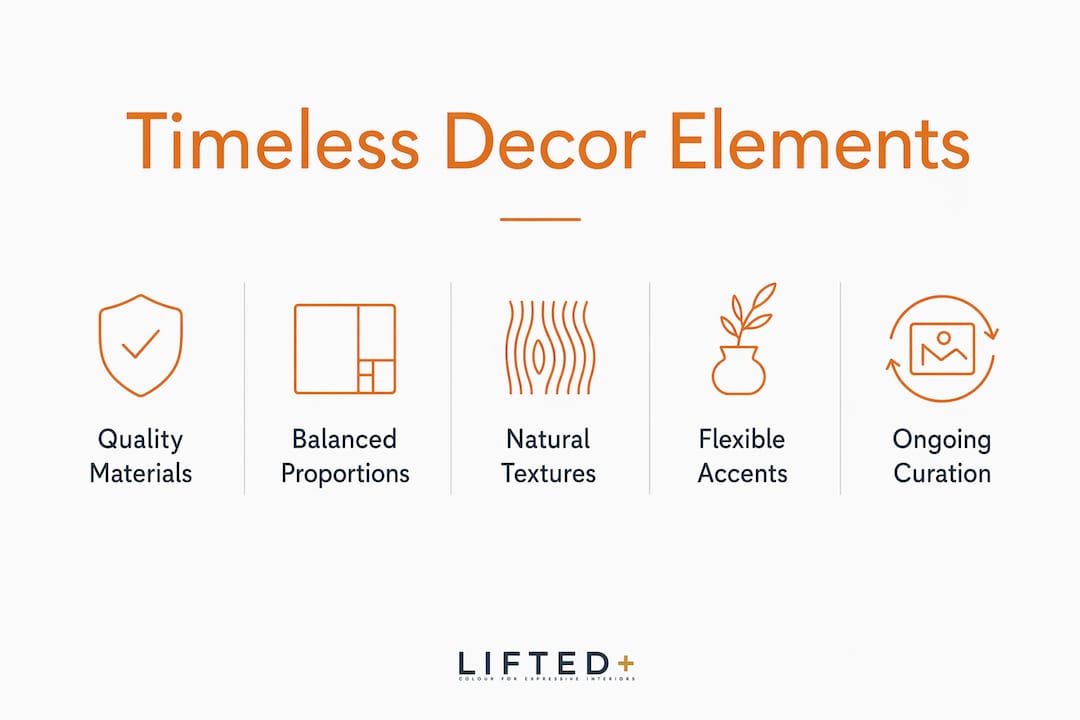
Timeless decor requires quality materials, balanced proportions, and ongoing curation, not a single aesthetic or a perfectly neutral palette.
| Point | Details |
|---|---|
| Invest in permanent fixtures | Spend the most on flooring, cabinetry, and upholstery, as these define long-term style. |
| Choose materials that age well | Hardwood, stone, linen, and leather improve with use and outlast trend-specific finishes. |
| Layer textures and personal objects | Mixing materials and meaningful pieces prevents sterility and adds genuine warmth. |
| Keep accents flexible | Update cushions, throws, and artwork seasonally to refresh without costly overhauls. |
| Cultivate an educated eye | Visit auctions and historic homes regularly to sharpen your instinct for proportion and quality. |
What I have learned about timeless decor after years of looking closely
The rooms that hold their appeal longest are never the ones that followed a brief perfectly. They are the ones where someone made a considered decision about every object, then left space for life to happen around those decisions. Timeless decor is both art and science. The science is proportion, material quality, and budget allocation. The art is knowing when to stop.
My strongest advice is to slow down the purchasing process. The impulse buy that fills a gap rarely earns its place long-term. The piece you waited six months for, the one you found at an auction or a market, the one that made you stop, almost always does. That patience is not indecision. It is the educated eye at work.
Walk your home regularly with the question: does this still belong here? Not whether you still like it, but whether it still serves the room. That distinction separates a curated space from a collected one. The value of thoughtfully curated decor compounds over time, just like the materials themselves.
— Michelle
How Liftedplus helps you build a home that lasts
Liftedplus curates furniture, lighting, and wall art designed to carry weight in a room without chasing the moment. Each piece is selected for sculptural form, grounded colour, and the kind of presence that works alongside both vintage finds and contemporary architecture.
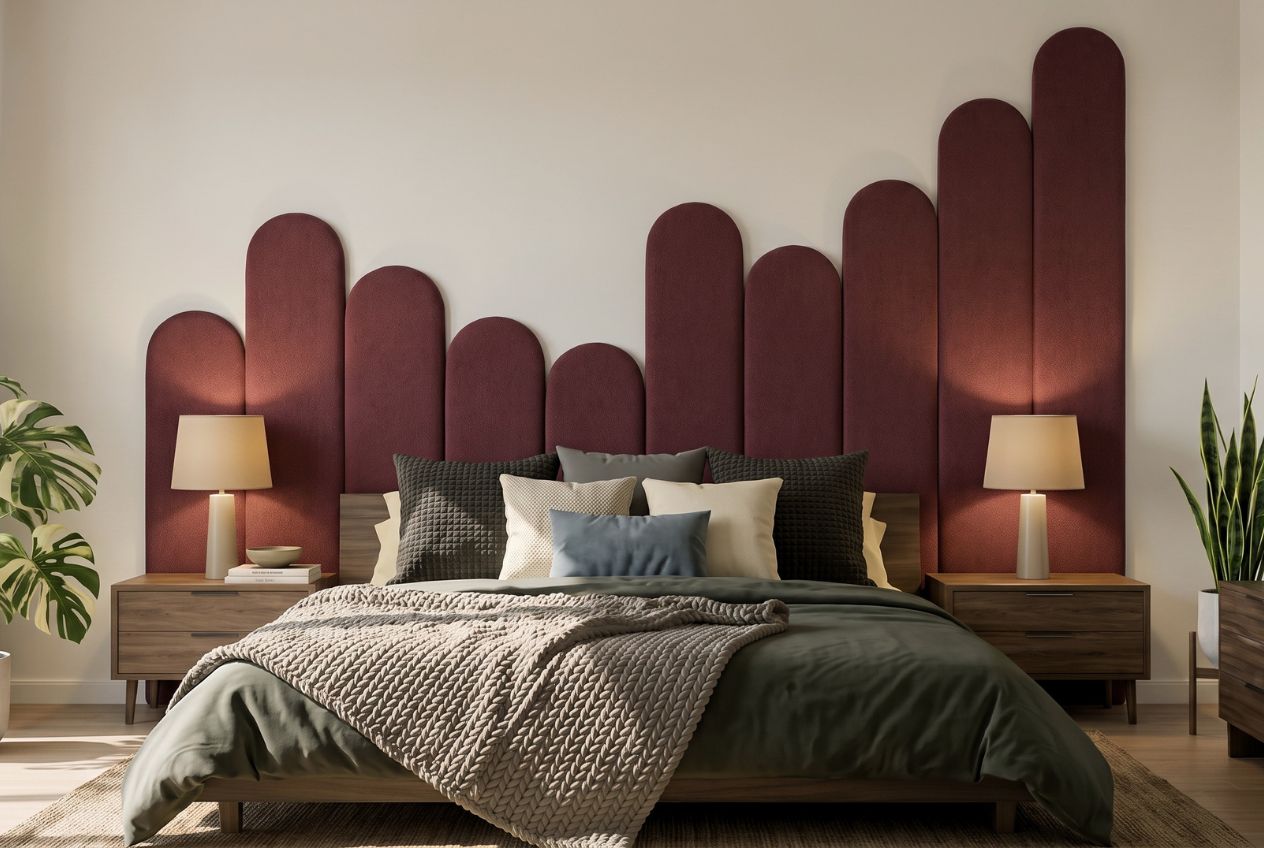
Whether you are building a neutral base or adding the layer of colour that finally pulls a room together, the Liftedplus collection gives you pieces that earn their place. Explore how decor personalises your space for mood and style, or browse the full range of colourful furniture and lighting to find the accent that holds your room.
FAQ
What makes decor timeless rather than just classic?
Timeless decor prioritises proportion, natural materials, and craftsmanship that remain appealing across multiple eras and styles, rather than belonging to one specific historical period. Classic refers to a particular aesthetic; timeless refers to an enduring quality of presence.
Which materials are most associated with enduring style?
Hardwood, marble, stone, linen, leather, and solid timber have the strongest track record across centuries of interior design. These materials age honestly and improve with use rather than deteriorating.
How often should I update my decor to keep it feeling fresh?
Updating flexible accents such as cushions, throws, and artwork every few seasons keeps a space current without touching permanent fixtures. The bones of the room, including flooring, cabinetry, and upholstery frames, should be chosen to last decades.
Is a neutral colour palette required for timeless decor?
A neutral base palette of warm whites, creams, and soft beiges provides the most flexible foundation, but colour introduced through accessories and artwork is entirely compatible with enduring style. The key is keeping permanent fixtures neutral and using colour as a flexible, seasonal layer.
Does vintage furniture contribute to a timeless interior?
Vintage and secondhand pieces frequently offer superior construction compared to mass-market alternatives and naturally avoid the matchy-matchy quality that dates a room. They also introduce a sense of history and material quality that new pieces rarely replicate.