
What are the top interior styling tips for 2026?
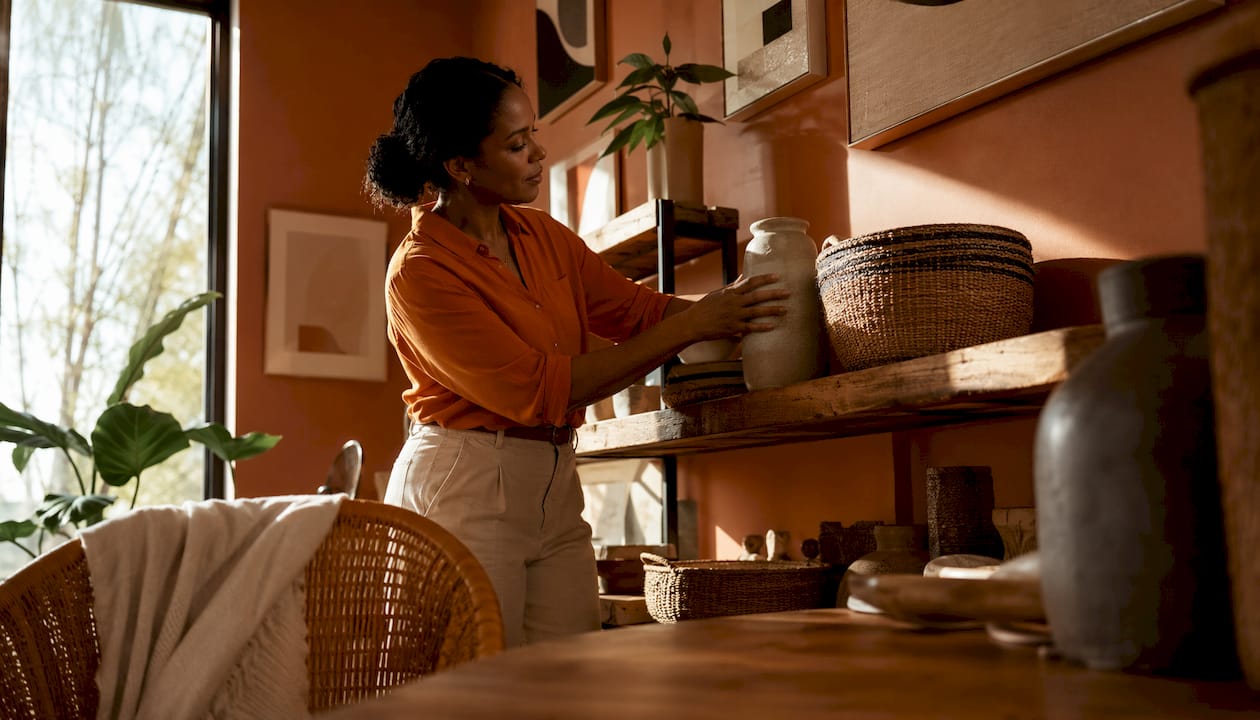
The defining shift in 2026 is clear: warm modern heritage has replaced cold minimalism as the foundation of considered home design. Earth tones, tactile materials, and personal narrative are the pillars every other decision rests on.
Here is what that looks like in practice:
- Embrace warm, earth-toned palettes: clay, olive, terracotta, mushroom, and deep brown ground a room without flattening it
- Prioritise texture over shine with linen, bouclé, fluted glass, and matte stone
- Adopt the curated calm philosophy: design for longevity and personal meaning, not the next trend cycle
- Incorporate architectural curves in furniture, oval tables, softly rounded sofas, and curved armchairs
- Mix metal finishes intentionally: brushed nickel with soft brass reads as collected, not careless
- Use the 3+1 styling rule on surfaces: three objects of varying height and texture, plus one personal item
- Layer lighting at different heights using sconces, mini lamps, and warm bulbs
- Integrate organic and sustainable materials throughout, not just as accent pieces
- Blend vintage and contemporary pieces for a space that feels lived in and genuinely yours
- Plan smart home technology early: retrofitting later can increase costs by up to 30%
Slow living interiors and colour palettes as your 2026 foundation
The slow living interior is not a style. It is a posture toward design: choosing fewer things, chosen well, arranged with intention. Designers at Dezeen’s 2026 roundup described the mood as “quietly expressive — spaces that feel calm, tactile and deeply personal.” That phrase captures something real about where Australian homes are heading.
Colour is where this philosophy becomes visible. Warm neutrals like mushroom, warm greige, and smoked oak are everywhere, but the most interesting rooms pair them with a deeper anchor: deep blue-green, oxblood, or tobacco brown. These are not accent colours in the traditional sense. They carry emotional weight, the kind that makes a room feel enclosed and intentional rather than merely decorated.
“The reaction is not towards stark minimalism, but towards quiet authenticity and personal narrative — curated calm over superficial opulence.” — Andre Fu, Hong Kong practitioner, via Dezeen
Applied practically, this means painting a bedroom wall in deep terracotta and keeping textiles calm around it. Or bringing deep blue-green into a living room through a single upholstered armchair, then letting warm wood and brass do the rest. The palette does the heavy lifting when you resist the urge to add more.
Art deco influences and architectural curves in 2026 furniture
Curves are still central to 2026 interiors, but the silhouette has matured. The bubbly, novelty shapes that dominated recent years are giving way to something more refined and architectural: oval dining tables, softly rounded sofas, curved armchairs with tailored edges. The Art Deco influence shows up in symmetry, geometric restraint, and a preference for materials that age with dignity.
A sculptural chair paired with a simple timber table achieves this without effort. The key is contrast: one piece with a considered silhouette, surrounded by forms that give it room to breathe. Mixing a vintage curved armchair with a contemporary sofa creates the kind of layered, personalised interior that feels collected over time rather than assembled in an afternoon.
Furniture pieces worth considering for this direction:
- Oval or round dining tables in warm timber or stone
- Curved sofas with clean, tailored upholstery
- Sculptural accent chairs with architectural legs
- Arched mirrors and rounded shelving units
- Vintage sideboards or credenzas paired with contemporary lighting
Organic materials and why texture beats shine every time
Texture over shine is the single most useful principle to carry into 2026. Real luxury, as designer Lana Mari Gregan puts it, is tactile rather than glossy. Linen drapes, bouclé upholstery, heavy weaves, matte stone, and fluted glass all add depth and movement that a polished surface simply cannot.
The materials defining this year include linen, raw oak, hand-troweled plaster, woven baskets, and handmade pottery. Sustainable choices like recycled PET felt and artisan-crafted objects are increasingly valued, not as a compromise but as a preference. Knowing where something comes from, and that it was made with care, adds a layer of meaning that mass production cannot replicate.
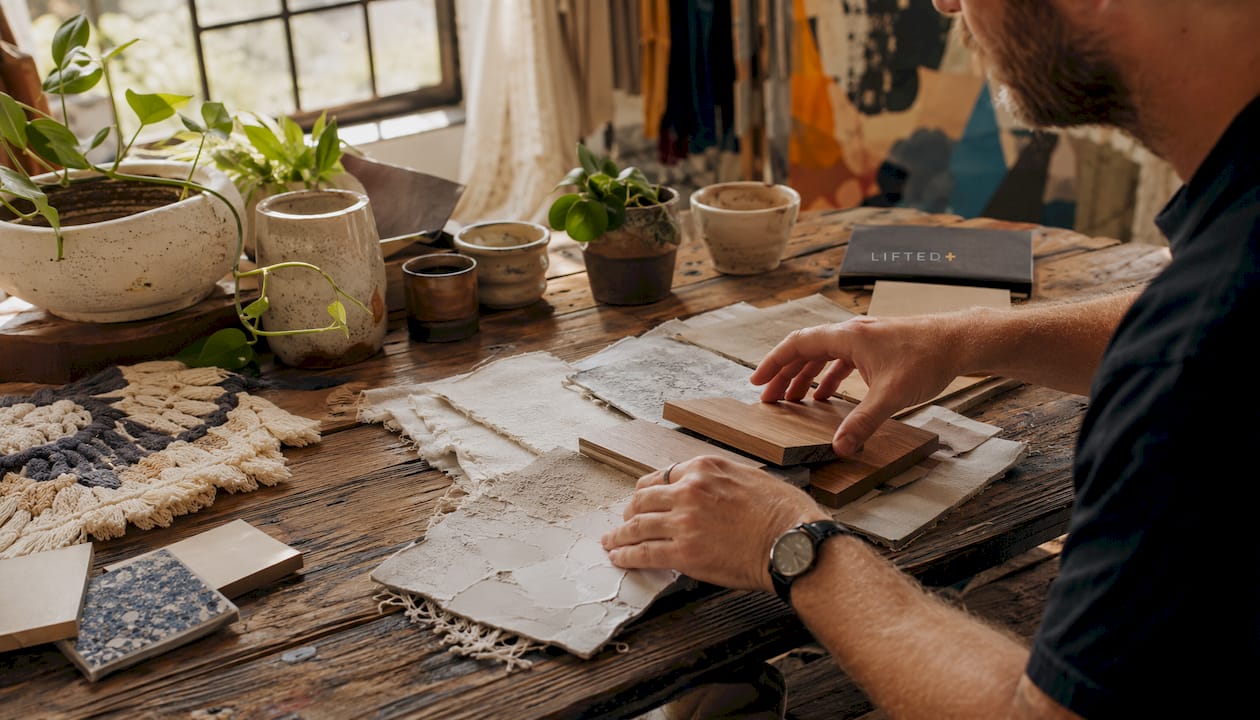
The mistake is applying texture everywhere at once. A bouclé sofa, bouclé cushions, and a bouclé throw in the same room reads as overdone. The approach that works is contrast: rough with smooth, matte with soft, woven with refined. That tension is what gives a room its visual intelligence. For a deeper look at building this kind of layered warmth, Liftedplus has written extensively on designing with texture.
Curated calm and the styling rules that make it real
Curated calm is a reaction against interiors designed for the camera. It asks a different question: does this space support the people who actually live here? The answer shows up in restraint, in personal objects given room to breathe, and in surfaces that are styled rather than filled.
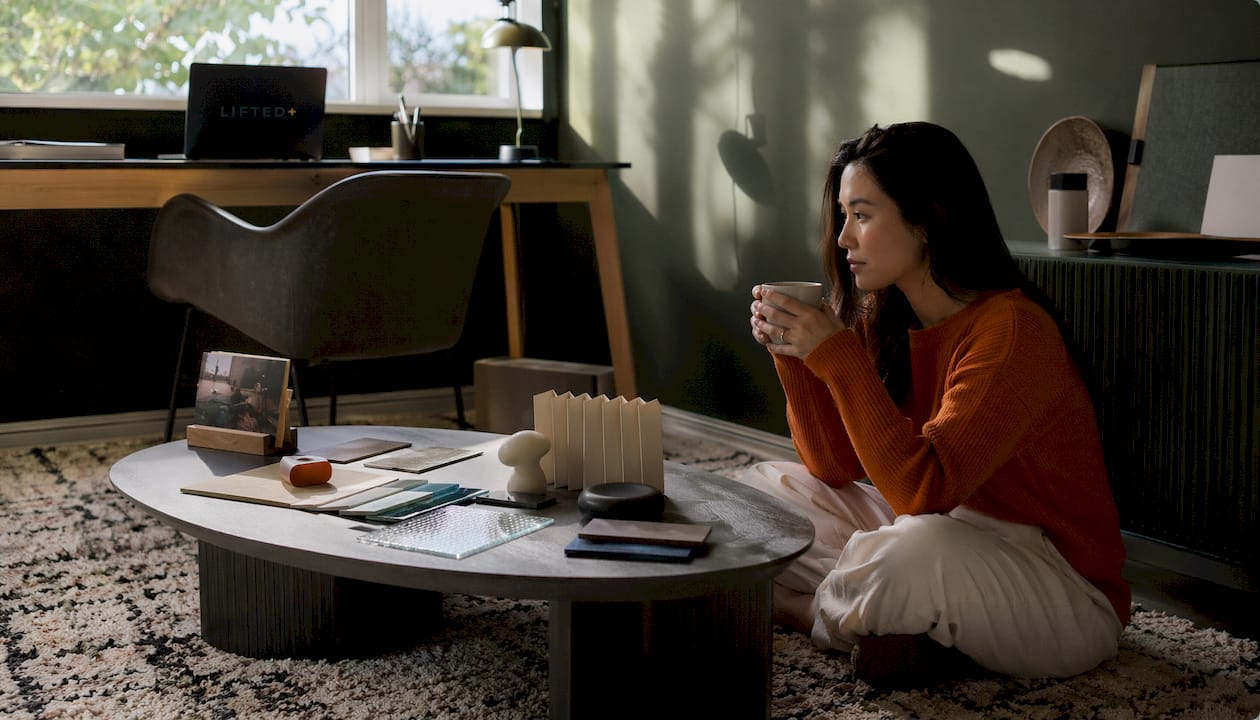
The 3+1 rule is the most practical tool for achieving this on any surface. Three objects of varying height and texture, plus one personal or unexpected piece. A tall vase, a medium candle, a small stack of books, and a travel find from a market in Fremantle. That grouping has hierarchy, contrast, and story. It does not need anything else.
Mixing metal finishes follows the same logic. Brushed nickel with soft brass reads as intentional; matching every fixture in the same finish reads as purchased all at once. Choose two metals at most and let them create a quiet dialogue across the room.
Pro Tip: Treat your ceiling as a fifth wall. Designer Autumn Pochiro describes it as “the fifth wall of every space.” A painted ceiling in a warm clay tone or a textured wallcovering adds intimacy that no amount of floor-level styling can replicate.
Smart home technology belongs in this section too, because the planning decision is a styling decision. Concealed screens, motorised blinds, and layered smart lighting all require pre-wiring to stay invisible. Retrofitting after the fact can increase costs by up to 30%, which is reason enough to map your tech zones before you commit to a layout.
Bold indigo and calming white colour palettes
Indigo and white sit at opposite ends of the emotional spectrum, and 2026 uses both with confidence. Deep indigo, whether on a feature wall, in upholstery, or across kitchen cabinetry, creates a sense of enclosure and drama that few other colours can match. Paired with warm brass hardware and natural timber, it reads as heritage rather than cold.
Calming white, by contrast, works best when it carries warmth. A white with a bone or clay undertone reads entirely differently from a stark, blue-based white. The former feels considered; the latter can make a room feel clinical. For 2026, the bold colour direction leans into contrast: a deeply saturated wall against calm, textured neutrals, rather than colour everywhere at once.
How lighting shapes mood and function in 2026
Overhead lighting as the primary source is effectively finished. The 2026 approach layers light at different heights: a ceiling fixture for ambient coverage, sconces or picture lights at mid-level, and table lamps or floor lamps that cast warm pools in corners. That layering is what makes a room feel welcoming rather than interrogated.
Warm bulbs, around 2700K, are non-negotiable. Cooler bulbs make materials look flat and finishes look cheap. The shift toward layered lighting solutions also reflects the broader move toward biophilic design: natural light maximised through sheer curtains and mirrors, supplemented by warm artificial sources that mimic the quality of late afternoon sun. Start with one small lamp in a dark corner and notice how much the room changes.
Practical storage that works with 2026 styling
Storage in 2026 is not hidden for its own sake. It is edited. The principle is the same as curated calm: fewer things, chosen deliberately, arranged so the room can breathe. Built-in shelving that covers an entire wall creates warmth and character while housing books, objects, and personal collections. Open shelving styled with real books, handmade pottery, and meaningful objects reads as lived in rather than staged.
Concealed storage, particularly in kitchens, supports the cleaner aesthetic without sacrificing function. Appliance garages, integrated cabinetry, and scullery-style prep areas keep surfaces clear for the intentional vignettes that actually hold a room. The cohesive home edit approach applies here: before adding storage, spend time editing what you already have. Remove what you do not love, and give what remains room to be seen.
Add texture and colour to your walls without renovation
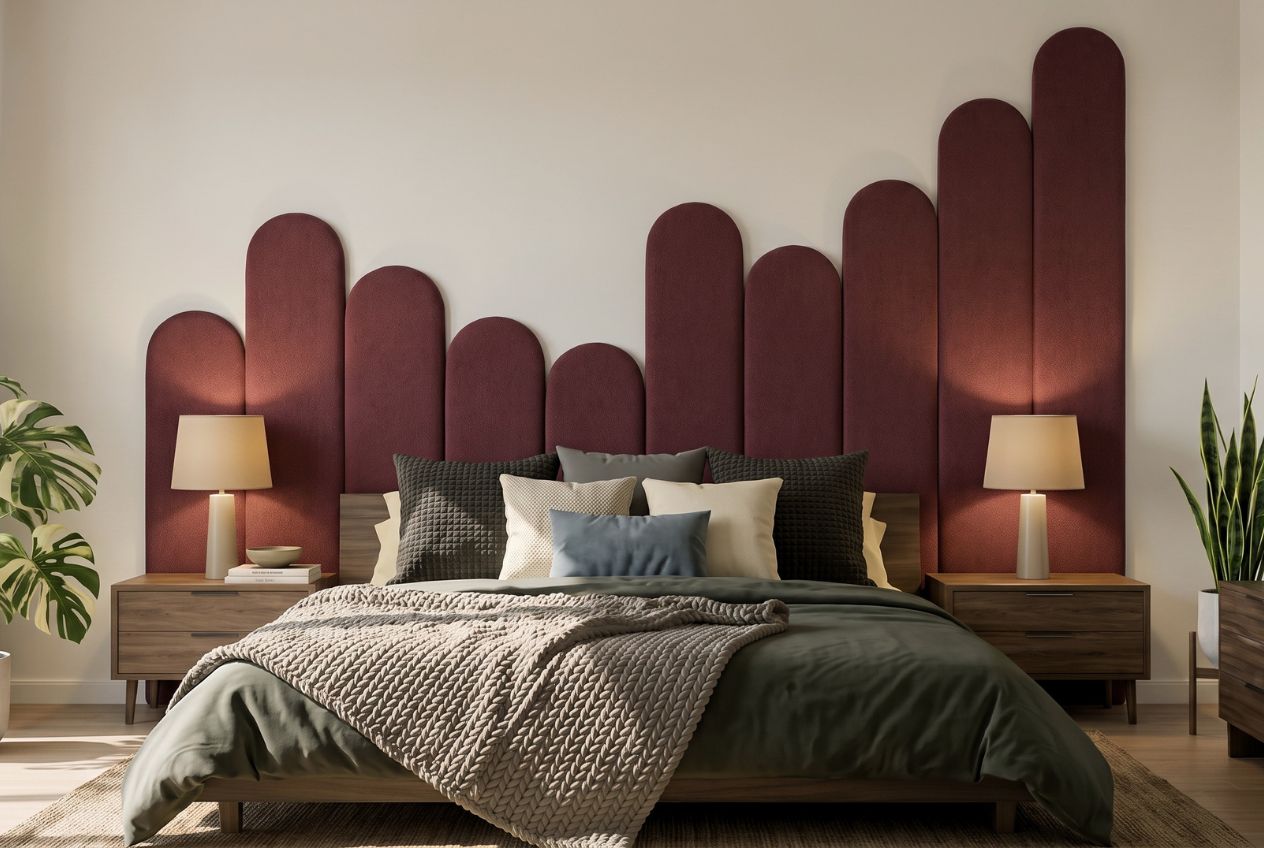
Walls are the largest surface in any room, and in 2026 they deserve the same attention as furniture and textiles. Liftedplus’s DwellForms™ modular wall panels offer a renter-friendly way to bring sculptural texture, colour, and architectural detail to any wall without drilling, painting, or permanent commitment. Made from precision-cut PET felt produced from 100% recycled plastic, they align directly with the sustainable material values shaping this year’s design direction. Explore the DwellForms™ Skyline Kit to see how a single wall can shift the entire character of a room.
Key takeaways
The most effective interior styling approach for 2026 combines warm earth tones, tactile materials, and personal objects to create spaces that feel genuinely inhabited rather than staged.
| Point | Details |
|---|---|
| Warm modern heritage | Replace cool greys and stark whites with clay, olive, terracotta, and deep brown as your palette foundation. |
| Texture over shine | Layer linen, bouclé, matte stone, and fluted glass for depth; contrast rough with smooth rather than repeating one texture. |
| 3+1 styling rule | Style surfaces with three objects of varying height and texture, plus one personal item, then leave the rest clear. |
| Plan smart tech early | Retrofitting smart home technology after design completion can increase costs by up to 30%. |
| Mix metals intentionally | Choose two metal finishes at most and let them create contrast; matching every fixture reads as purchased all at once. |
FAQ
What colour palettes define 2026 interior styling?
Warm earth tones including clay, mushroom, olive, terracotta, and deep brown are the dominant palette, replacing cool greys and stark whites. Deep blue-green and bold indigo are used as intentional accent directions, paired with warm timber and brass.
What is the 3+1 styling rule?
The 3+1 rule means styling a surface with three objects of varying height and texture, plus one personal or unexpected piece. It creates balance and visual interest without clutter.
How do I incorporate biophilic design in 2026?
Bring in natural materials at multiple surfaces, maximise natural light with sheer curtains and mirrors, and include at least one large plant that occupies genuine space rather than sitting as a token accent.
Should I mix metal finishes in my home?
Yes. Mixing two metal finishes, such as brushed nickel with soft brass, creates a more collected, intentional look than matching every fixture to a single finish.
When should I plan smart home technology?
Plan wiring and automation during the initial design stage. Retrofitting smart home technology after final design can increase costs by up to 30%, so integrating it early keeps both the budget and the aesthetic intact.