
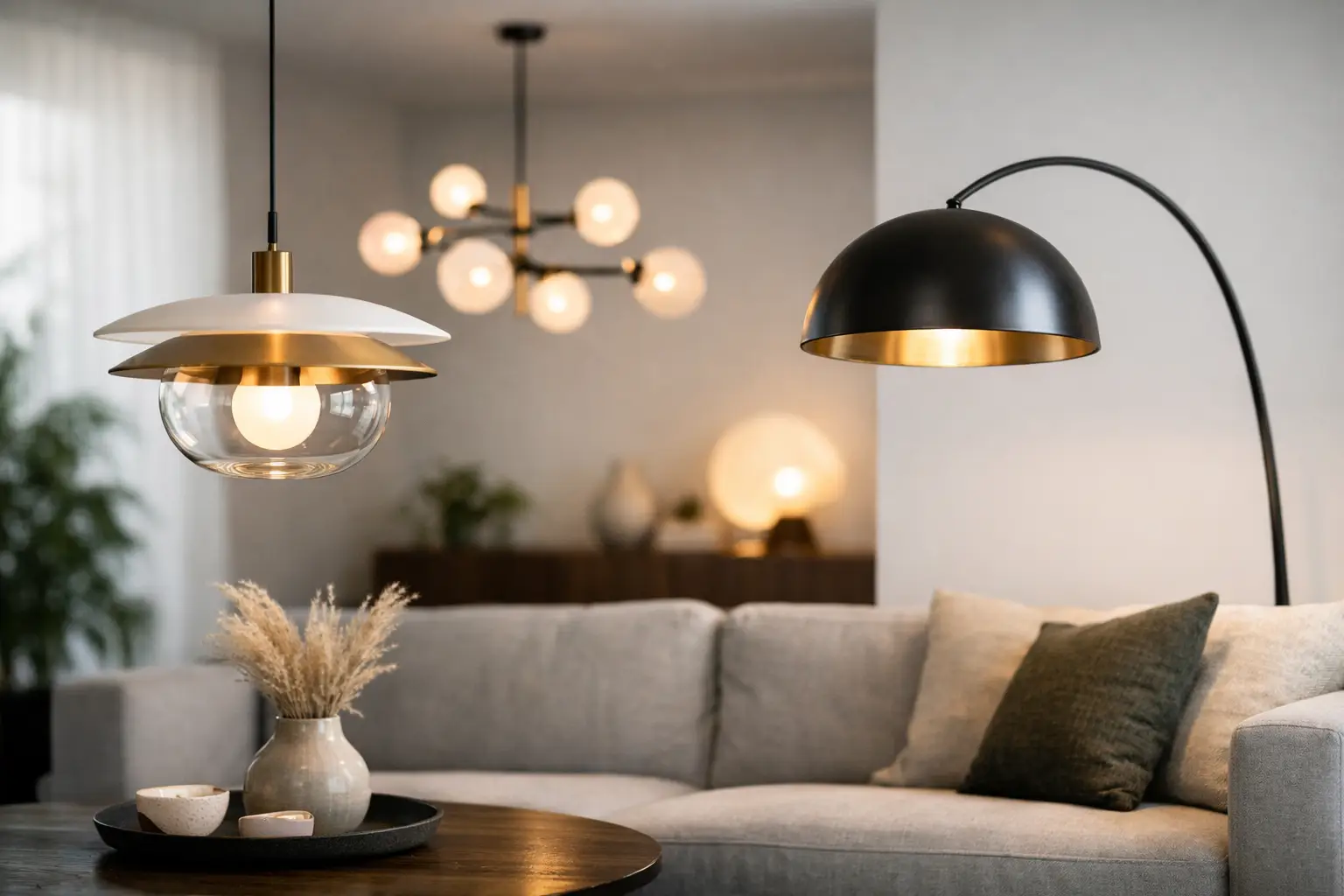
A room can have good furniture, decent art and all the right finishes, then still fall flat the second the sun goes down. That is usually a lighting problem. The best designer lighting NZ homes deserve is not there to simply brighten a corner. It sets the emotional temperature of a space, sharpens architecture and gives a room its after-dark identity.
That matters more than ever in homes where open-plan living, compact footprints and multi-use spaces are the norm. Lighting now has to do several jobs at once. It needs to be practical, yes, but also sculptural, atmospheric and visually strong enough to hold its own in a room with real point of view. Safe lighting does not do much. It fades into the ceiling. Great lighting changes the whole read of a space.
What designer lighting NZ homes actually need
There is a difference between expensive lighting and designer lighting. Price alone does not create impact. What matters is proportion, materiality, silhouette and how a fitting interacts with the rest of the room.
In a New Zealand context, that often means responding to clear architectural lines, natural light shifts and interiors that balance clean forms with warmth. Many homes here have generous glazing and pared-back envelopes. That can look incredible, but it can also leave a room feeling visually thin at night if the lighting is too timid. One overhead pendant and a lamp in the corner will not carry the mood.
Designer lighting earns its place because it contributes to the composition. A sculptural pendant can anchor a dining zone. A coloured table lamp can break up a run of timber and stone. A wall light can pull attention to artwork or add depth to an otherwise flat hallway. The point is not to add more fittings for the sake of it. The point is to choose pieces that create structure and feeling.
Why the beige lighting era feels tired
For years, lighting was treated as the polite background player of interiors. White shades. Black metal. Brushed brass if someone was feeling adventurous. Everything quiet, safe and forgettable.
That restraint made sense for a while, especially when interiors leaned heavily on soft neutrals and minimal styling. But when every room starts to look muted, lighting becomes part of the problem. It stops shaping space and starts disappearing into it.
This is why colour-forward and sculptural lighting feels so fresh. It interrupts the expected. It gives the eye somewhere to land. It also brings personality without requiring a full renovation. If your walls are white and your joinery is restrained, a bold lamp or pendant can do serious work. It can shift a room from competent to compelling.
There is a trade-off, of course. Statement lighting asks for confidence. It is not the choice for someone who wants every element to blend into the background. But for anyone tired of interiors that feel overly behaved, that is exactly the point.
How to choose designer lighting without overcomplicating it
The easiest mistake is shopping by fixture type instead of by effect. People look for a pendant, a floor lamp, a wall light. Useful categories, but not the right starting point. First decide what the room is missing.
If a space feels flat, it probably needs shape. Look for lighting with a distinct silhouette – something domed, pleated, oversized or angular. If it feels cold, material matters more. Fabric, coloured glass, glossy finishes and warm-toned metals will soften the read. If the room lacks identity, choose a piece with enough personality to act as a focal point rather than an accessory.
Scale is where many otherwise good choices fail. A tiny pendant over a large dining table looks apologetic. A miniature bedside lamp on a substantial nightstand can feel accidental. Designer lighting should feel intentional in proportion to the room and to the furniture around it. Bigger is not always better, but undersized is rarely convincing.
Then there is light quality. Beautiful form means little if the glow is harsh. Warm bulbs tend to suit living rooms, bedrooms and dining spaces because they add depth and softness. Cooler light has a place in task-heavy areas, but too much of it makes a home feel clinical. Atmosphere matters.
Designer lighting NZ buyers can use room by room
In the living room, lighting should layer rather than shout from one source. An overhead fitting can establish the main visual note, but side lighting is what creates intimacy. A sculptural floor lamp beside a sofa or a bold table lamp on a console brings the room down to human scale. This is where decorative lighting really earns its keep – not just by being seen, but by making the whole space feel more composed.
In dining spaces, the pendant usually carries the room. It sits in a natural focal zone and has the chance to define the mood immediately. Choose a fitting with enough visual weight to sit confidently over the table, especially in open-plan homes where the dining area needs to hold its own against the kitchen and lounge. If the pendant is expressive, let it lead.
Bedrooms benefit from lighting that feels less functional, more atmospheric. Matching bedside lamps can work, but they are not the only answer. Wall lights free up surface space and add a more architectural feel. A coloured lamp base or a softly diffused shade can stop the room slipping into hotel blandness.
Hallways and entry spaces are often neglected, which is strange given they set the tone first. This is where a strong wall light or compact sculptural fitting can make a sharp impression without needing much space. The best entry lighting signals that the rest of the home has intent.
The case for treating lighting as a focal point
Not every piece in a room needs to compete for attention. In fact, it is better when they do not. But every successful interior needs at least one or two elements that truly hold the space. Lighting is uniquely good at this because it works on two levels at once – object and atmosphere.
A striking pendant is visible even when switched off. Once lit, it changes tone, shadow and depth across the room. Few furniture pieces can do both. That is why designer lighting is often one of the smartest places to invest if you want impact without constant reworking.
It also helps create a stronger visual hierarchy. Large-scale wall art may set the main mood, while lighting supports and sharpens it. Or the opposite may be true. In more restrained spaces, a single expressive light can become the room’s central gesture. Either way, it should feel deliberate, not like a last-minute utility decision.
Shopping online for designer lighting NZ wide
Buying lighting online used to feel risky because scale, finish and glow can be hard to judge on a screen. Good curation changes that. A tightly edited range is often more useful than endless options because it helps you compare pieces with a clear aesthetic lens rather than scrolling through pages of filler.
That is particularly helpful if you want a room to feel cohesive, not pieced together from five different design languages. Collections that show lighting alongside art, furniture and objects make it easier to understand how a fitting will actually live in a space. You are not just buying a lamp. You are building mood.
This is where a design-led retailer with a strong point of view has an advantage. Lifted+ approaches lighting as part of a wider interior composition, not a standalone add-on. That makes the decision process cleaner for anyone who wants impact without hiring a full interiors team.
Still, it pays to check dimensions carefully, think about ceiling height and consider how the fitting will look both on and off. A dramatic shape in a low-stud room may need careful placement. A highly reflective finish might bounce more light than expected. Good design is not guesswork, but it does ask you to think about context.
When bold lighting works best
Bold lighting is not about visual noise. It works best in rooms that need energy, clarity or contrast. If your interior already has strong art, saturated colour and expressive furniture, lighting can either echo that confidence or provide a cleaner counterpoint. If the room is more pared back, statement lighting can become the thing that stops it feeling unfinished.
The key is tension. Too many loud elements and the room starts to feel restless. Too little contrast and it feels sleepy. The sweet spot is a space where one sculptural pendant, one saturated lamp or one sharply drawn wall light changes the rhythm of everything around it.
That is why designer lighting is worth taking seriously. It is not the final decorative layer. It is part of the architecture of mood. Choose it with the same conviction you would give to art, because once the light is right, the whole room reads differently.
If your space feels almost there but not quite alive, do not start by repainting the walls. Start with the glow.