
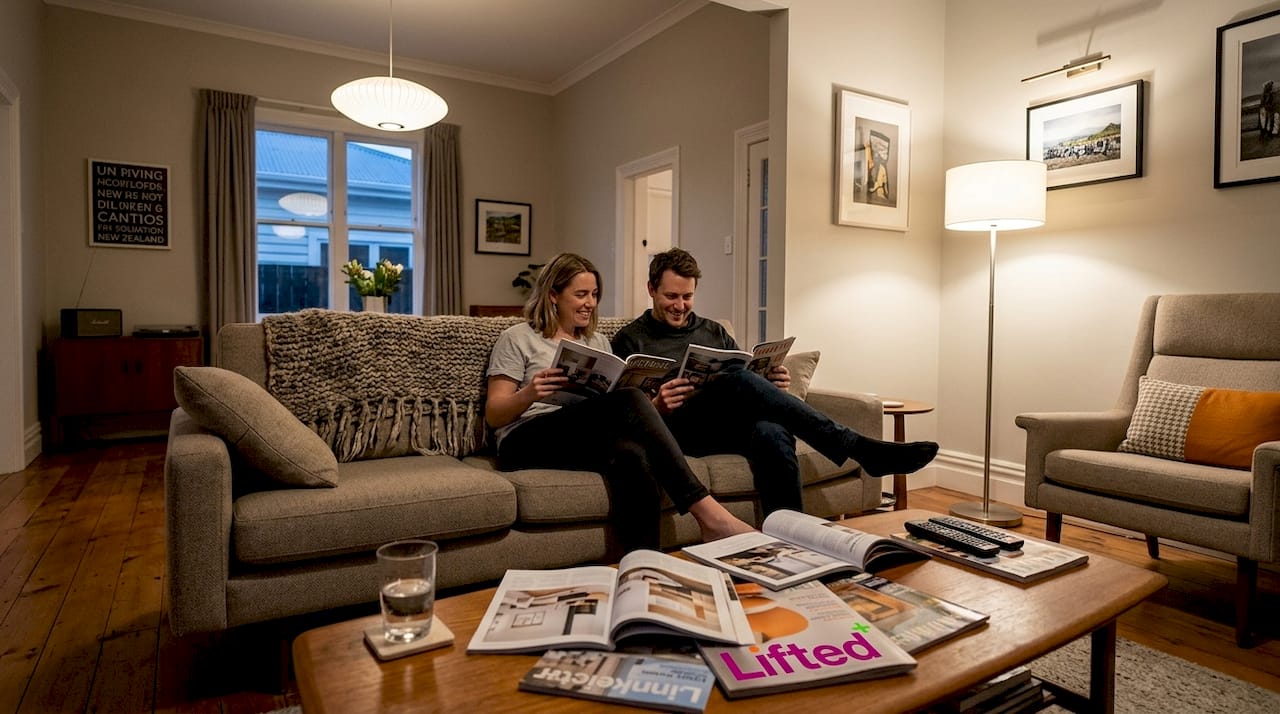
TL;DR:
- Layered lighting combines ambient, task, and accent sources for a dynamic, inviting space.
- Proper placement and variety of fixtures create mood, depth, and functionality in homes.
- Avoid overreliance on single overhead lights to achieve a warm, multi-dimensional atmosphere.
Most Kiwi homes are lit by a single overhead source, and that one decision quietly limits everything. The ceiling light works, technically. But it flattens a room, erases shadow, and strips away the warmth that makes a space feel genuinely inviting. Layered lighting changes all of that. It blends different types of light to serve both function and feeling, giving every corner of your home a sense of purpose and presence. This guide will walk you through what layered lighting really means, how to apply it room by room, and the common missteps worth avoiding before you begin.
Table of Contents
- The basics: What layered lighting means
- The three pillars: Ambient, task, and accent lighting
- Designing with layers: How to build the perfect mood
- Common mistakes and how to fix them
- Why the art of layering lights sets vibrant homes apart
- Ready to transform your space? Discover more layered lighting ideas
- Frequently asked questions
Key Takeaways
| Point | Details |
|---|---|
| Blend multiple sources | Layered lighting uses ambient, task, and accent sources for depth and flexibility. |
| Room-by-room strategy | Tailor your lighting mix to match each room’s purpose and mood. |
| Start small for big impact | Even simple changes like adding a lamp or dimmer can dramatically lift a space. |
| Avoid lighting monotony | Relying solely on ceiling lights often leads to a flat, uninviting atmosphere. |
The basics: What layered lighting means
Most of us grew up in homes where one light did all the work. A central ceiling fixture, switched on at dusk, switched off at bedtime. It felt normal because it was familiar. But familiar is not the same as considered, and the difference between those two things is exactly where good interior design lives.
Layered lighting at home means bringing multiple light sources into a single space, each with a distinct role. Rather than demanding one fixture carry the entire room, you distribute light intentionally, so that different zones and activities are supported without compromise. As the principle goes, layered lighting combines ambient, task, and accent lighting for a multi-dimensional effect.
Think of it less like decorating and more like composing. Each source is a note. Played alone, a note is fine. Played together in the right combination, they create something that holds the room.
Here is a quick comparison of what single-source lighting delivers versus a layered approach:
| Feature | Single-source lighting | Layered lighting |
|---|---|---|
| Atmosphere | Flat, uniform | Dynamic, textured |
| Functionality | Limited | Zone-specific |
| Mood control | Fixed | Flexible |
| Aesthetic impact | Minimal | Statement-making |
| Comfort level | Often glaring | Warm and considered |
The benefits become obvious once you see them laid out. A layered approach offers:
- Greater flexibility to adjust the room’s mood for different occasions
- Improved comfort by reducing harsh overhead glare
- Enhanced style through fixtures that function as sculptural objects
- Better support for the specific tasks each room demands
- A richer, more emotionally engaging atmosphere overall
Pro Tip: Walk through each room in your home and ask yourself: if this central light were switched off, would the space still function? If the answer is no, you have identified exactly where layering needs to begin.
Exploring the types of designer lighting available in New Zealand gives you a clearer sense of what each layer can look and feel like in practice.
The three pillars: Ambient, task, and accent lighting
With a foundation in what layered lighting means, it is time to discover its core elements and learn how each plays a unique role in shaping the spaces you live in.
A layered lighting strategy relies on integrating ambient, task, and accent sources. Each pillar serves a distinct function, and the magic happens when all three work in concert.

Ambient lighting is the base layer. It fills the room with a general, diffuse glow that makes the space usable without demanding attention. Think ceiling pendants, recessed lights, or a large floor lamp casting warmth across an open-plan living area.
Task lighting is focused and purposeful. It illuminates specific zones where detailed work happens, a kitchen bench, a reading nook, a bathroom vanity. Without it, ambient light alone forces you to strain and squint.
Accent lighting is the expressive layer. It draws attention to objects, textures, and architectural features. A picture light over a painting, an uplight behind a plant, or a slim wall sconce beside a shelving unit. Accent lighting brings shape to the air around your favourite things.
Here is how each type tends to appear across different rooms in a typical New Zealand home:
| Room | Ambient | Task | Accent |
|---|---|---|---|
| Living room | Pendant or ceiling light | Reading lamp | Art or shelf lighting |
| Kitchen | Recessed downlights | Under-cabinet strips | Island pendant |
| Bedroom | Soft overhead fixture | Bedside table lamps | Wardrobe or niche light |
| Bathroom | Diffuse ceiling light | Vanity mirror light | Niche or shower accent |
To balance these layers effectively in any room, follow these steps:
- Identify the room’s primary purpose and the activities that happen there most often.
- Choose an ambient source that fills the space without overpowering it.
- Add task lighting to every zone where focused activity takes place.
- Introduce at least one accent source to create visual interest and depth.
- Test the combination at different times of day and adjust accordingly.
“Lighting is the single most overlooked element in residential interior design. Get the layers right and everything else in the room improves with it.” Interior design practitioners consistently note that rooms with a considered mood lighting guide outperform single-source rooms in both livability and perceived style.
Designing with layers: How to build the perfect mood
Once you recognise the three pillars, the next step is designing your own lighting mix tailored to each room and the moods you want to create within them.
Strategic placement and selection of lighting enhances both mood and utility in the home. The key is resisting the urge to treat every room the same way. Each space in your home has its own rhythm, its own demands, and its own emotional register.
In the living room, layering is about versatility. You want bright, welcoming light for social occasions and a softer, more intimate atmosphere for evenings at home. A large pendant anchors the room while table lamps and a floor lamp add warmth at lower levels.
In the kitchen, precision matters. Downlights provide general visibility, but under-cabinet task lighting is non-negotiable for bench work. A statement pendant above the island pulls double duty, offering focused light and a sculptural focal point.

In the bedroom, the goal is calm. Soft ambient light, directional bedside lamps for reading, and perhaps a low accent source near the floor or inside a wardrobe create a layered sense of quiet.
In the bathroom, consider the mirror zone carefully. A diffuse ceiling fixture handles ambient light, while dedicated vanity lighting placed at eye level, rather than overhead, prevents the unflattering shadows that a single downlight creates.
A few quick tips for designing mood lighting across any room:
- Layer from the floor up, not just the ceiling down
- Vary the height of your light sources to create visual movement
- Choose fixtures with form as well as function, they are always on display
- Match warm and cool tones thoughtfully within a single space
- Use dimmers wherever possible for flexible atmosphere control
Pro Tip: Installing dimmers on your ambient and accent circuits transforms a static room into one that shifts with you through the day. Smart bulbs and app-controlled systems offer even greater control without rewiring.
Fixtures with strong silhouettes serve double duty. Explore sculptural lighting tips to find pieces that contribute to your room’s composition even when switched off.
Common mistakes and how to fix them
Designing with layers is powerful, if you steer clear of the classic mistakes that quietly hold spaces back.
Many homeowners rely too heavily on ceiling lighting, missing out on the richness of a layered approach. It is an easy trap to fall into, especially in newer builds that arrive pre-fitted with recessed downlights in every room.
Here are the most common mistakes and how to correct them:
- Overdependence on downlights: Recessed ceiling lights alone create a commercial, flat atmosphere. Fix it by adding floor or table lamps to pull warmth down to eye level.
- Poor placement: Lights positioned too far from the surfaces they are meant to illuminate lose their effect. Move task lighting closer to where the work actually happens.
- Mismatched colour temperatures: Mixing very warm and very cool bulbs in the same room creates visual tension without intention. Choose a consistent temperature range and stick to it.
- Ignoring corners: Dark corners make a room feel smaller than it is. A single uplight or a tall floor lamp can open a space considerably.
- Neglecting the off state: Fixtures that look awkward when unlit disrupt the room’s aesthetic during the day. Invest in pieces that hold a room with or without the switch.
“The rooms that feel most alive are rarely the ones with the most light. They are the ones where light has been placed with genuine intention.”
It is also worth revisiting your lighting arrangement seasonally. As your furniture shifts or your collection of layering decor objects evolves, your lighting should respond in kind. And if a room feels cold or uninspiring despite your efforts, the first place to look is not the walls or the furniture. It is almost always the choosing table lamps decision you did not make.
Why the art of layering lights sets vibrant homes apart
Here is the honest truth that most interior guides do not linger on long enough. Layered lighting is not a technique reserved for architects or design professionals. It is simply the difference between a home that functions and one that feels like something.
In New Zealand, there is a cultural lean toward simplicity and restraint. That instinct produces clean, liveable homes. But restraint applied to lighting, without intention, often results in spaces that are pleasant but forgettable. The ceiling light is on. The room is visible. Nothing more.
The homes that pull you in, that feel warm before you have even sat down, are lit by people who understood that light has a social and emotional life beyond its utility. They used it to direct attention, to soften edges, to create the sense that a space has been genuinely considered.
This is not about adding more. It is about adding differently. One well-placed floor lamp beside a reading chair does more for a room than three additional downlights. A vibrant NZ homes styling guide will show you the same pattern repeated across every room that truly resonates. The light is never just overhead. It is everywhere it needs to be, and nowhere it does not.
Ready to transform your space? Discover more layered lighting ideas
If this guide has shifted how you see your rooms, the next step is an exciting one. Lifted+ brings together the editorial insight and the curated pieces to help you move from inspiration to a finished, layered look.
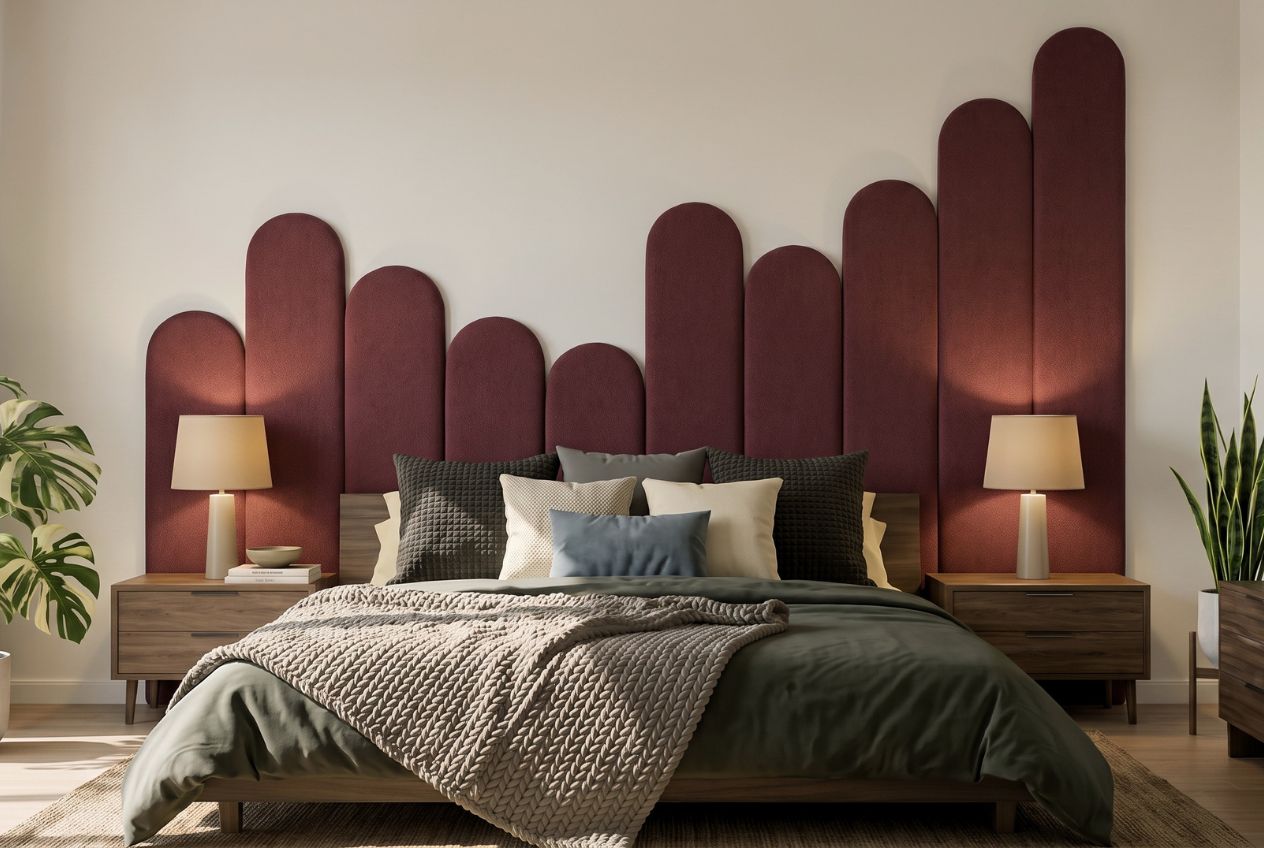
Explore our layered lighting how-to for deeper room-by-room guidance, or browse the sculptural lighting collection to discover pieces that serve as both light source and statement object. If you are thinking beyond lighting alone, our layering decor objects guide will show you how to bring every element of your interior into a cohesive, considered whole. Every vibrant home starts with the right foundation.
Frequently asked questions
How do I start layering lighting in my own home?
Effective layering begins by analysing each room’s function and combining ambient, task, and accent lighting to support the activities that happen there most. Start with one room, identify its existing gaps, and add one new source at a time.
Is layered lighting expensive to implement?
Homeowners can combine high and low-cost fixtures to achieve a layered result without a large budget. Prioritise quality in visible accent pieces and supplement with affordable ambient and task options.
What common mistakes should I avoid when planning layered lighting?
Avoid relying solely on overhead lights. Balanced placement and variety of lighting styles prevent a flat or cold atmosphere and ensure every zone in the room feels purposeful.
Can layered lighting really influence a room’s mood and style?
Absolutely. Strategically placed lighting alters both ambience and aesthetics, making spaces feel more generous, more considered, and more aligned with how you actually want to live in them.