
TL;DR:
- Upgrading to LED lighting saves significant energy, costs, and extends bulb lifespan.
- Layering different lighting types adds depth and interest to interior spaces.
- Less, well-chosen lighting creates a more atmospheric and cohesive home environment.
Lighting is one of the most transformative decisions you can make for your home, yet it is often treated as an afterthought. In New Zealand, where natural light shifts dramatically between seasons and open-plan living is the norm, the stakes are even higher. The right lighting does two things at once: it creates atmosphere and it works hard for your wallet. Whether you are starting fresh or rethinking an existing space, the tips ahead will help you balance artistic ambition with practical reality, giving every room the presence it deserves.
Table of Contents
- Prioritise energy efficiency with LED lighting
- Mix lighting types for depth and interest
- Use lighting as functional art and focal points
- Match lighting to your space, mood, and colour palette
- Why less is more: a designer’s take on modern lighting
- Elevate your home with modern lighting and decor
- Frequently asked questions
Key Takeaways
| Point | Details |
|---|---|
| LEDs save money | Upgrading to LED lighting can cut energy bills by up to 85 percent. |
| Layer lighting styles | Combining downlights, pendants, and sculptural lamps gives flexible, artistic results. |
| Lights can be art | Statement fixtures double as artwork, creating visual focus in any space. |
| Match lighting to mood | Cool or warm lighting should complement your room’s purpose and décor. |
Prioritise energy efficiency with LED lighting
Modern lighting begins with a simple, non-negotiable decision: switch to LED. It is no longer a matter of debate. LED lighting saves 75 to 85% of the energy used by traditional incandescent and halogen bulbs, and the return on investment arrives far sooner than most homeowners expect.
For the average New Zealand home, that translates to genuine savings. Most households can expect to put between $150 and $300 back in their pocket every year simply by converting to LED throughout. Over a decade, those numbers become compelling. Add to that the reduced frequency of bulb replacement, since quality LEDs can last up to 25,000 hours, and the case is clear.
Beyond the economics, LEDs have matured into a genuinely beautiful light source. Early LED products had a reputation for harsh, blue-tinged output. That era is over. Today’s LEDs are available across a wide spectrum of colour temperatures, from crisp cool whites around 5000K suited to kitchens and workspaces, right through to soft, amber-warm tones in the 2700K range that bring the kind of glow that makes a lounge feel like a sanctuary. Exploring mood lighting tips for NZ homes can help you match the right temperature to each room.
LEDs also pair naturally with smart home controls and dimmers, allowing you to shift a room’s mood with a tap or a voice command. A fixture that blazes at full brightness for a dinner party can be softened to a whisper for a quiet evening in. This flexibility is something incandescent bulbs could never quite deliver.
Pro Tip: When shopping for LEDs, look for a CRI (Colour Rendering Index) of 90 or above. This measures how accurately the light reveals the true colours of your walls, furnishings, and artwork. A high CRI is especially important if you invest in statement decor.
For a broader view of how different light sources and fittings intersect, the types of designer lighting available today offer a useful starting point before you commit to a scheme.
Mix lighting types for depth and interest
Efficiency lays the foundation, but depth comes from variety. A room lit by a single type of fitting feels flat, no matter how well-chosen that fitting is. The most compelling interiors layer light from multiple sources, each performing a different role.
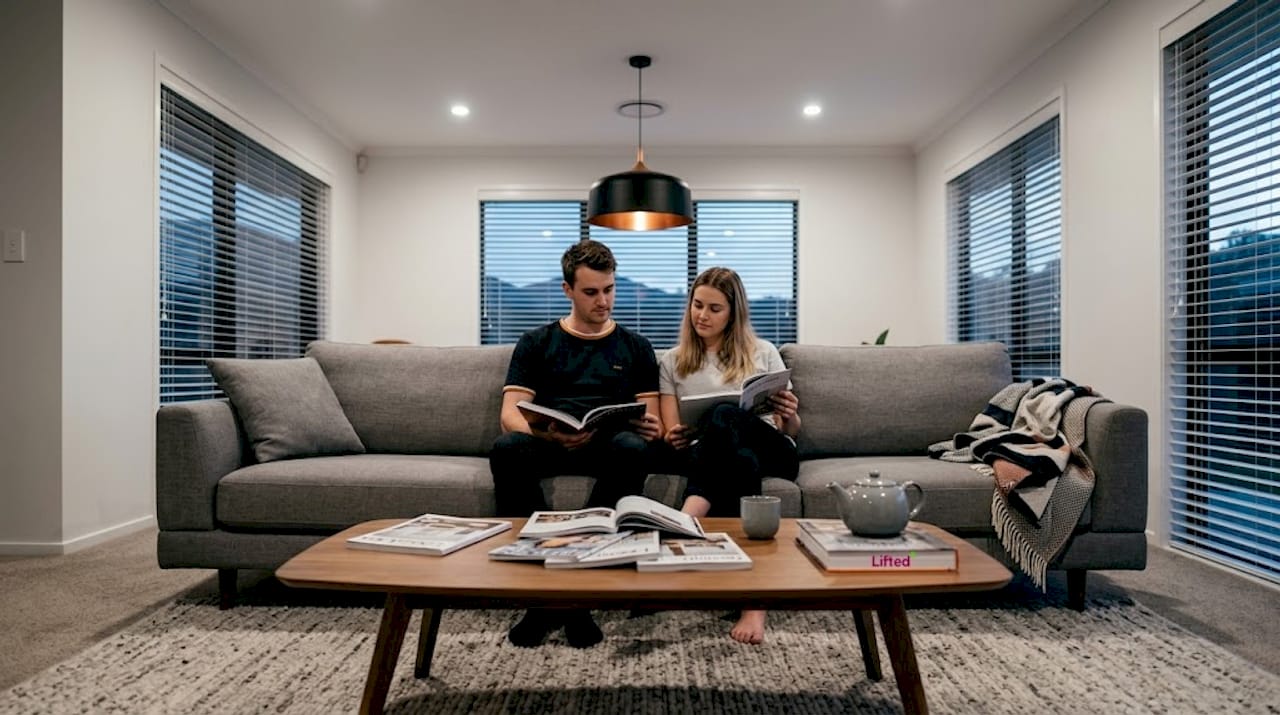
Downlights are the workhorses of the modern interior. Recessed cleanly into ceilings, they deliver even, unobtrusive illumination across a room. They are particularly well-suited to spaces with lower ceilings, where a hanging fixture could feel oppressive. As downlights provide even ambient light in rooms where ceiling height is limited, they allow the rest of your decor to breathe without competition from above.
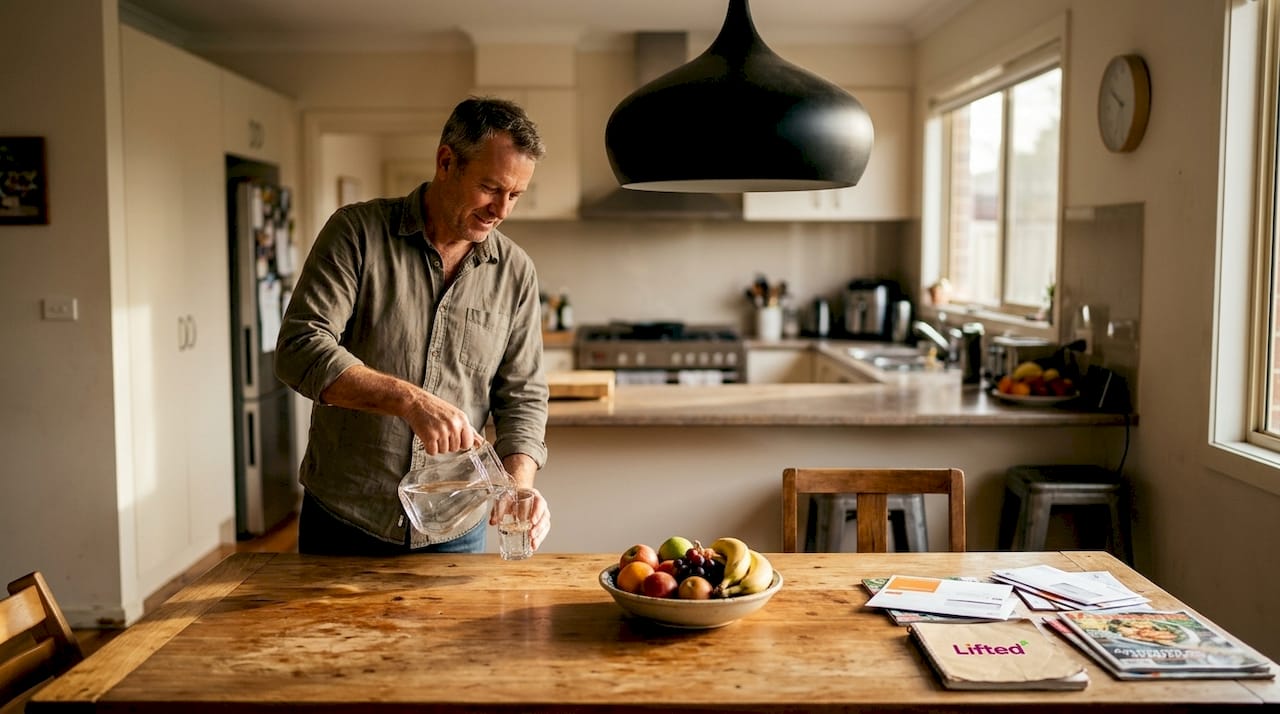
Pendants, by contrast, are a deliberate declaration. Hung over a dining table or kitchen bench, a pendant does not merely illuminate: it holds the room. It draws the eye, defines a zone, and makes a statement about your taste before anyone sits down. A single sculptural pendant over a raw timber table can do more for a space than a dozen well-placed downlights.
Accent lighting completes the picture. A directional lamp trained on a piece of wall art, a backlit shelf, or a reading nook adds the kind of visual hierarchy that separates a considered interior from a functional one. It brings shape to the air, creating shadows and focal points that make a room feel lived-in and intentional.
| Fitting type | Best use | Ceiling height | Design impact |
|---|---|---|---|
| Downlights | Ambient, everyday light | Low to standard | Understated |
| Pendants | Feature zones, dining, benches | Standard to high | High |
| Accent lamps | Art, reading nooks, zones | Any | Atmospheric |
| Floor lamps | Corners, layering | Any | Warm, sculptural |
“The most interesting rooms are never lit from one angle. Layer your sources, and the room begins to feel like it was designed, not just furnished.”
For a practical guide on how to do this well, the approach to layering lighting at home is worth reading alongside this. And if you are exploring pendants and statement floor pieces, the edit of best sculptural lamps offers strong starting points.
Use lighting as functional art and focal points
Once the layers are in place, ask yourself a harder question: does any single light in this room stop you in your tracks? If the answer is no, you are missing an opportunity.
Statement lighting pulls a space out of the safe, polite middle. A pendant in matte black with an organic silhouette, a coloured glass globe that casts warm amber pools across the ceiling, a cage of woven rattan that filters light into texture: these are not accessories. They are architectural events. Pendants provide decorative impact and reach their full potential in rooms with generous ceiling height, where the fixture has room to breathe and be seen.
In open-plan living, which defines so much of contemporary New Zealand residential design, statement lighting takes on an additional role. Without walls to define boundaries, a bold pendant over the dining zone and a sculptural floor lamp anchoring the lounge corner create invisible partitions. They signal, quietly but firmly, where one space ends and another begins.
Consider the material language of your chosen fixture. Matte metals have a grounded, modern authority. Coloured glass introduces warmth and a sense of play. Ceramic forms echo the handmade, bringing softness into spaces dominated by hard surfaces. The right material does not just look good: it participates in the room’s broader conversation.
- Identify the focal point you want to create: a dining table, an art wall, a reading corner.
- Choose a fixture whose silhouette is interesting even when unlit.
- Position it at a height that commands attention without blocking sightlines.
- Let it interact with the surfaces and colours around it.
Pro Tip: In rooms with limited natural light, a statement fixture in a warm metallic finish will reflect and amplify whatever light exists, giving the room a sense of luminosity that a plain white fitting simply cannot achieve.
For further inspiration, the guide to choosing statement lighting for open-plan spaces is particularly useful, as is the deeper look at sculptural lighting for modern style.
Match lighting to your space, mood, and colour palette
The most technically accomplished lighting scheme will still fall flat if it works against your room’s colours and intended mood. Light and colour are inseparable. They amplify, contradict, or neutralise each other depending on the choices you make.
Colour temperature is the most direct lever you have. Cool whites, typically between 4000K and 5000K, suit kitchens and bathrooms. They heighten clarity, make surfaces look clean, and support focused tasks. The freshness they introduce is functional and intentional. LEDs across various colour temperatures now make it straightforward to tailor this precisely to every room in the house.
Warm tones, from 2700K to 3000K, belong in lounges and bedrooms. They soften edges, encourage relaxation, and make the colours in your furnishings and artwork appear richer and more complex. A terracotta wall under warm light becomes a presence. That same wall under a cool white becomes a distraction.
Lighting should also respond to the specific zones within a room rather than treating the entire floor plan as a single unit. A reading nook benefits from a directed, slightly brighter source. An art wall deserves an accent that reveals texture and tonality. A colour-conscious approach to small living rooms shows how light and palette interact to shape perceived space.
Pro Tip: Before committing to any fitting or bulb temperature, hold a paint swatch against the wall under the actual light you plan to install. Colours shift significantly between showroom fluorescents and in-situ LED warmth. What reads as a soft sage in a shop can become a stark grey at home.
Understanding the role of colour in interior design more broadly will also sharpen your instincts when it comes to making confident, cohesive choices.
Why less is more: a designer’s take on modern lighting
Here is something that rarely gets said plainly: most New Zealand homes are over-lit. Not under-resourced, not lacking in fittings, but genuinely over-lit. Too many downlights on a single circuit, too much brightness from too many directions, resulting in a flat, glare-heavy environment that exhausts rather than calms.
The rooms that feel most resolved, most finished, are rarely the most heavily lit. They are the ones where someone made a deliberate decision to do less, and then chose what remained very carefully. A single sculptural pendant over a dining table in an otherwise dim room creates more atmosphere than six evenly-spaced downlights ever will.
This is not about dimness for its own sake. It is about intention. Every fitting should have a reason to be there. When you approach lighting that way, the fixtures you do choose carry more weight and deliver more impact. The principles behind timeless modern interiors return to this idea repeatedly: restraint is not a compromise. It is a design choice.
Invest in fewer, better pieces. Let them hold the room.
Elevate your home with modern lighting and decor
Transforming your home through lighting does not require a full renovation. It requires the right pieces, placed with intention.
At Lifted+, we curate a modern lighting range that blends sculptural form with genuine quality, selected specifically for contemporary New Zealand interiors. Whether you are searching for a pendant that commands a dining space or a floor lamp that anchors a lounge corner, each piece is chosen for the presence it brings. Browse our statement lighting inspiration to see how these ideas translate into real rooms. And if you are still refining your broader interior direction, our guide to top decor styles will help you find the aesthetic that feels most authentically yours.
Frequently asked questions
How much can I save by switching to LED lights?
Most New Zealanders can save between $150 and $300 annually by converting their home fully to LED lighting.
What is the best lighting for rooms with low ceilings?
Downlights are the most practical choice, delivering even ambient light without encroaching on headroom or making the ceiling feel lower.
How do I choose the right colour temperature for my room?
Cool whites between 4000K and 5000K suit kitchens and bathrooms, while warm tones between 2700K and 3000K create the relaxed atmosphere that works best in living rooms and bedrooms.
Can lighting be used to make small rooms appear larger?
Yes, layering light sources and using cooler white temperatures helps visually expand a small room by increasing perceived brightness and depth.