
TL;DR:
- Proper lighting design enhances mood, functionality, and aesthetic appeal in modern homes.
- Layering ambient, task, and accent lighting creates a cohesive and dynamic interior atmosphere.
- 2026 trends feature bold colors, sculptural fixtures, and mixed materials for statement lighting.
Lighting is one of those elements that quietly shapes everything. It affects how a room feels the moment you walk in, how colours read against the walls, and whether a space feels alive or flat. Yet for most homeowners, it remains an afterthought, something chosen at the end of a renovation after the real decisions have been made. If you live in a modern New Zealand home and want your interiors to genuinely sing, getting lighting right is not optional. This guide covers how to evaluate your needs, understand the core lighting types, choose fixtures with purpose, and stay ahead of the trends defining interiors in 2026.
Table of Contents
- How to evaluate interior lighting needs
- Ambient, task, and accent: the three pillars of great lighting
- Popular lighting fixtures for modern New Zealand homes
- How to combine different lighting types for maximum effect
- Trends and creative ideas for interior lighting in 2026
- Our perspective: the art and impact of lighting choice
- Find your perfect interior lighting statement
- Frequently asked questions
Key Takeaways
| Point | Details |
|---|---|
| Layered lighting works best | Combining ambient, task, and accent lighting creates dynamic and flexible interiors. |
| Statement fixtures add impact | Bold or sculptural lighting pieces double as practical art in modern homes. |
| Plan lighting room by room | Each space has unique needs, so consider function and size before choosing fixtures. |
| Trends shape mood and style | Exploring bold shapes or colours can keep your décor feeling current and expressive. |
How to evaluate interior lighting needs
With the importance of mood and style set, let’s uncover what you should consider before making any lighting decisions.
Every successful lighting scheme begins with clarity about purpose. There are three primary lighting functions that form the backbone of interior design: ambient, task, and accent. Ambient lighting provides the general illumination that fills a room. Task lighting focuses on specific activities, reading, cooking, grooming. Accent lighting is directional and dramatic, used to highlight architecture, artwork, or objects of interest. These are not competing categories. They work in concert, and well-planned lighting boosts comfort, functionality, and visual appeal when you bring all three together thoughtfully.
Before selecting a single fixture, take stock of your room’s dimensions and its primary use. A large open-plan living area needs a different approach than a compact home office or a bedroom designed for winding down. Think about how much natural light the room receives throughout the day, because artificial lighting should complement daylight, not fight against it.
Colour temperature is another consideration that dramatically shapes a room’s character. Measured in Kelvins, warmer tones (around 2700K to 3000K) produce a soft, amber glow that suits living areas and bedrooms. Cooler tones (4000K and above) feel crisper and are better suited to kitchens and workspaces. The bulb type matters too. LED options now offer excellent colour rendering alongside energy efficiency, making them the clear choice for most modern interiors.
Here are the foundational questions to ask before choosing any lighting:
- What is the primary function of this room?
- How much natural light enters, and when?
- What mood or atmosphere am I trying to create?
- What materials and finishes are already present in the space?
- What is my layering strategy: ambient, task, and accent?
Pro Tip: Always start with function, then elevate with style. Identify what the room needs to do before you decide what it should feel like. This order prevents costly missteps and keeps your scheme cohesive.
Ambient, task, and accent: the three pillars of great lighting
Now that you know the selection criteria, explore the three key lighting types every modern room needs.
Ambient lighting sets the overall tone while task and accent lighting provide focus and drama. Understanding how to deploy each type in different spaces is where the real design skill lies.
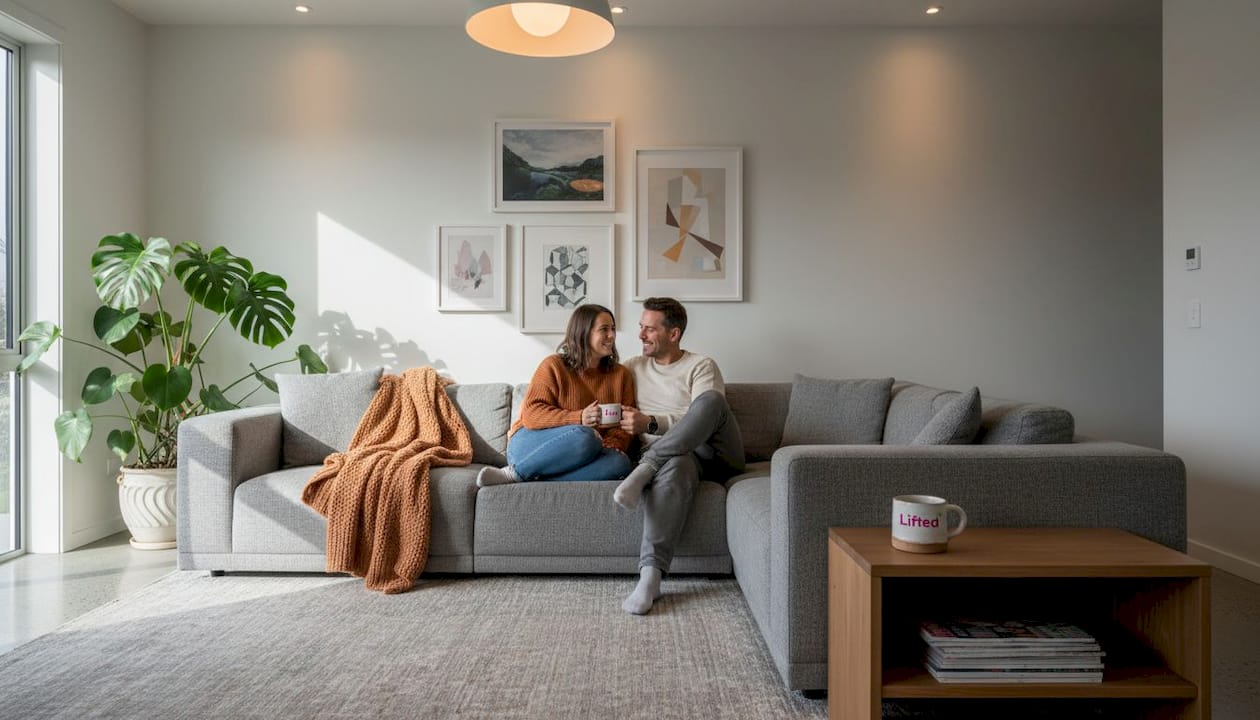
Think of ambient lighting as the canvas. In a living room, this might come from a statement ceiling fixture or recessed downlights on a dimmer. In a bedroom, a soft overhead fitting paired with bedside lamps creates a layered, restful glow. The goal is even, comfortable illumination without harsh shadows or glare.
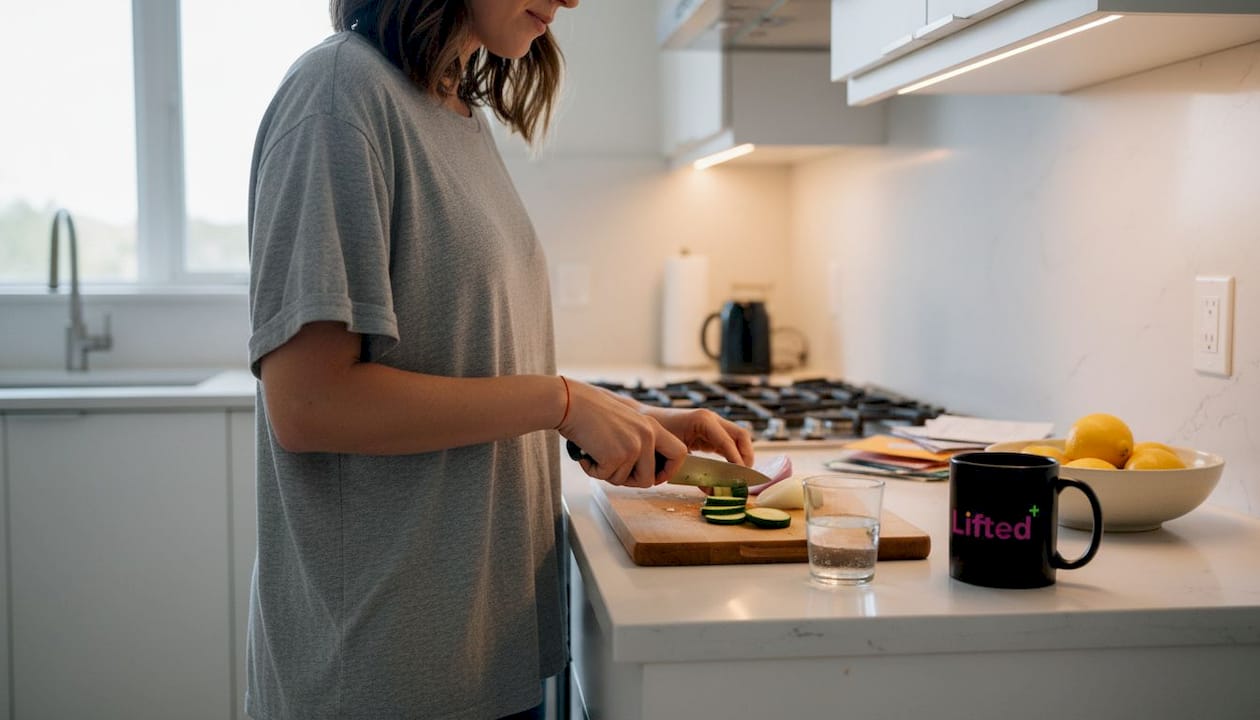
Task lighting is precise by design. It exists to make specific activities easier and safer. In a kitchen, this means under-cabinet strips lighting the benchtop. In a home office, a directional desk lamp reduces eye strain. Task lighting should be positioned to eliminate shadows falling across your work surface, so placement matters as much as brightness.
Accent lighting brings shape to the air. A well-aimed spotlight on a piece of artwork creates depth. A picture light draws the eye to a gallery wall. Even a simple uplighter in a corner adds dimension that transforms a flat room into something with genuine presence. It is the layer most often skipped, and the one that most reliably makes the difference.
Here is a simple sequence for building a layered scheme in any room:
- Establish your ambient source first, ceiling fixture, floor lamp, or downlights.
- Identify the functional zones and place task lighting accordingly.
- Choose two to three accent points that highlight the room’s best features.
- Install dimmers wherever possible to shift between modes.
- Step back and assess the room at night to see how the layers interact.
Great lighting is not about having more of it. It is about knowing precisely where each source sits in the hierarchy and letting them work together. A room that layers light well feels curated, not contrived. That is the difference between a space that impresses and one that truly holds you.
For deeper guidance on layered lighting tips, the principles translate across every room type and interior style.
Popular lighting fixtures for modern New Zealand homes
Understanding the backbone of good lighting, let’s look at real fixtures and what makes them so effective for today’s homes.
Statement lighting creates a focal point in open-plan spaces, and New Zealand homes are increasingly designed around exactly these large, flowing layouts. Choosing the right fixture for each role is where aesthetic ambition meets practical need.
Pendant lights are among the most versatile options available. Hung over a dining table or kitchen island, a well-chosen pendant anchors the space and gives it identity. Cluster pendants at varying heights add rhythm and drama without overwhelming the room.
Wall sconces offer layered warmth and are particularly effective in hallways, bedrooms, and beside fireplaces. They free up floor space while contributing to that essential mid-level lighting layer that most rooms are missing.
Floor lamps are underestimated. A tall arc lamp in the corner of a living room brings light down from a different angle, softening the room in a way recessed lighting simply cannot. They are also moveable, which gives you flexibility as your layout evolves.
Sculptural fixtures are a category apart. These are lighting pieces that function as art even when switched off. Their silhouette, material, and form contribute to a room’s character throughout the day, not just at night. For a deeper look at designer lighting types and their visual impact, the options span from organic forms to geometric precision.
Recessed downlights are the workhorse of ambient lighting, clean, unobtrusive, and effective when used with dimmers. However, relying on them exclusively produces flat, shadowless light that can feel clinical.
| Fixture type | Style impact | Best use |
|---|---|---|
| Pendant | High | Dining, kitchen island, entryway |
| Wall sconce | Medium to high | Bedroom, hallway, living room |
| Floor lamp | Medium | Living room, reading corner |
| Sculptural fixture | Very high | Feature rooms, open-plan living |
| Recessed downlight | Low | Background ambient layer |
Pro Tip: A sculptural or artful lighting piece does double duty as décor. It earns its place in a room even in daylight hours, which means you are investing in two design elements simultaneously.
How to combine different lighting types for maximum effect
Armed with fixture options, here’s how to bring them all together for a designer-level result.
Layered lighting is key to a dynamic, functional, and stylish home. The challenge is not understanding the principle. Most people get that. The challenge is executing it room by room without losing coherence.
A practical room-by-room layering plan looks like this:
| Room | Ambient | Task | Accent |
|---|---|---|---|
| Living room | Ceiling fixture on dimmer | Reading floor lamp | Artwork spotlight, shelf uplighter |
| Kitchen | Recessed downlights | Under-cabinet strips | Pendant over island |
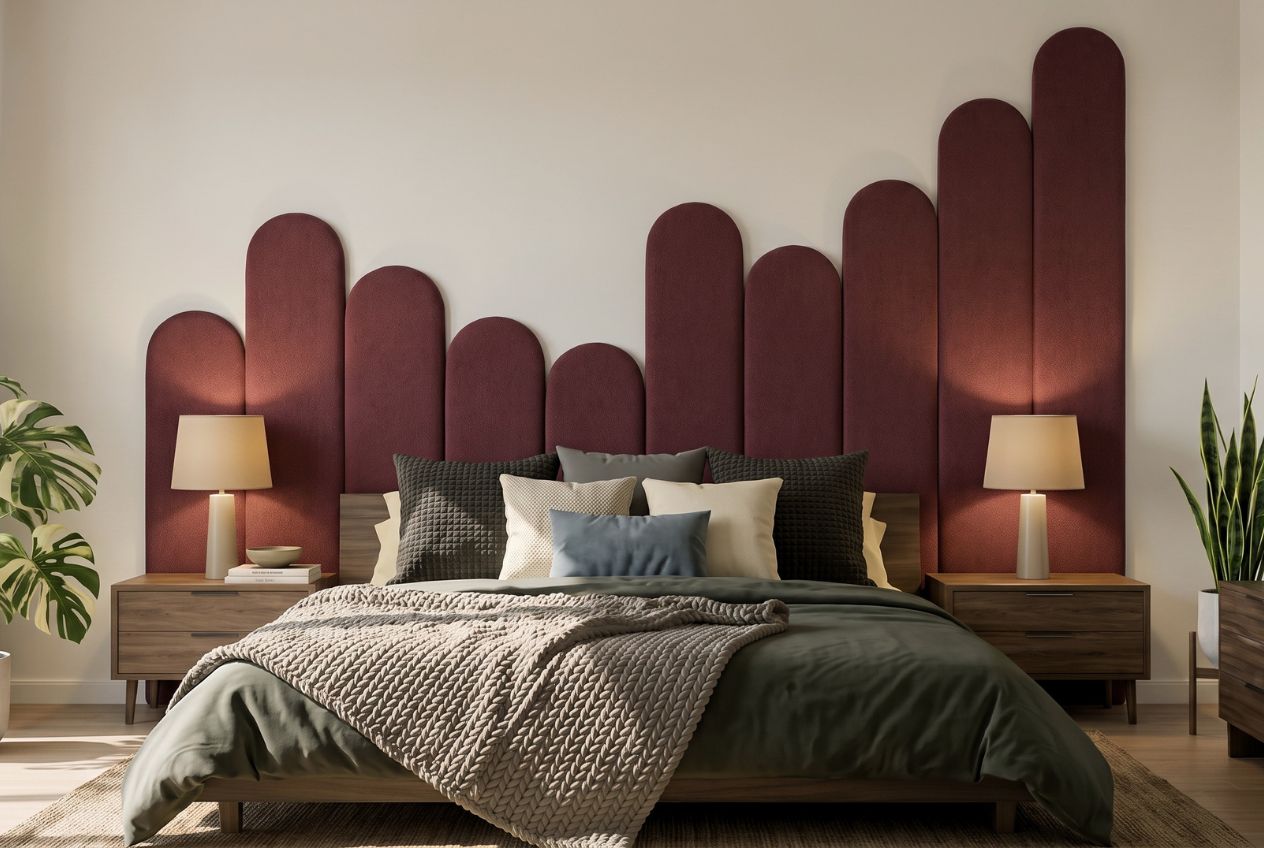
| Bedroom | Soft overhead fitting | Bedside task lamps | Uplighter in corner, wardrobe light |
Beyond placement, think about how your lighting choices interact with the materials already in your space. Warm light enhances timber, terracotta, and woven textures, bringing out their richness. Cooler light suits polished concrete, marble, and glass, reinforcing their crispness. Getting this match right means your entire interior reads as intentional rather than assembled.
Some common mistakes to sidestep:
- Relying on a single overhead source and calling it done.
- Placing task lighting behind the person using it, which creates shadows.
- Choosing fixtures purely for aesthetics without considering light output.
- Ignoring dimmers, which are essential for shifting a room between functions.
- Overlooking the impact of lampshade colour on the quality and warmth of light.
For sculptural lighting ideas that work across all three layers, the shapes and materials available in 2026 offer genuine creative freedom.
Trends and creative ideas for interior lighting in 2026
Now that you have a plan, let’s look ahead at what’s hot in lighting right now and in the year ahead.
Bolder colours and sculptural forms are defining lighting in 2026. The shift is away from the safe, neutral palette that dominated interiors for much of the last decade, and toward fixtures that make a statement through both form and colour.
Colour-changing LED technology has matured considerably. Systems that allow you to shift between warm and cool tones, or even introduce saturated colour, are now accessible for residential use. This is not about novelty. It is about giving a single room the ability to serve multiple moods without a single piece of furniture moving.
Playful materials are another defining characteristic of this year’s lighting landscape. Rattan, hand-blown glass in amber and rust tones, raw ceramics, and textured metal finishes all feature prominently. These materials bring tactile warmth to interiors and connect artificial light sources to the organic, grounded palettes that are shaping New Zealand design in 2026.
The trends to know this year:
- Sculptural pendants in organic or asymmetric forms.
- Earthy, saturated tones: terracotta, burnt amber, deep moss.
- Mixed-material fixtures combining metal with glass or ceramic.
- Integrated LED strips used architecturally along shelves and recesses.
- Statement lighting inspiration that doubles as wall-hung art.
You do not need to overhaul an entire room to access these trends. Swapping a dated pendant for one sculptural piece, or adding a coloured-glass table lamp to a reading corner, can pull a space out of the safe, polite middle and give it genuine energy. Start with one fixture in the room you use most, and let it lead the conversation.
Our perspective: the art and impact of lighting choice
With so many possibilities, it is worth pausing to reflect on what truly matters in lighting design.
The biggest mistake we see is treating lighting as the last decision in a room, something chosen from a catalogue after the sofa has arrived and the paint has dried. By that point, the space is already fixed, and lighting gets selected to fit what exists rather than to shape what could be.
Lighting creates emotional responses before the brain has processed a single piece of furniture. It is the first thing you feel when you enter a room. Warmth, tension, calm, energy — all of it flows from how light moves through a space, where it pools, and where it pulls back into shadow.
Here is the contrarian truth: bold lighting choices age better than quiet ones. A distinctive sculptural fixture holds its relevance because its form has character. A plain recessed grid becomes invisible and forgettable. Rooms that feel extraordinary ten years on are usually anchored by more statement inspiration that was chosen with real conviction, not compromise.
Good homes layer light the way good art layers meaning. Each source has a role, a weight, and a relationship to everything else. When those relationships are considered, the room does not just look better. It feels like somewhere worth staying.
Find your perfect interior lighting statement
Ready to put inspiration into action? Here’s where to find pieces and guides that help you create a truly luminous home.
At Lifted+, we curate lighting with exactly this kind of intention — pieces that carry sculptural presence, work beautifully across layered schemes, and are chosen for their ability to transform a room rather than simply illuminate it. Explore our modern lighting range to find fixtures that bring genuine character to your interiors. For curated design direction, our statement lighting collection showcases pieces chosen for their ability to hold a room. If you’re building a scheme from scratch, our layer lighting guide walks you through the process step by step.
Frequently asked questions
What are the main types of lighting for interiors?
Ambient, task, and accent lighting are fundamental to home design, each serving a distinct function within a layered scheme that balances practicality with atmosphere.
How do I choose the right lighting fixture for a room?
Room use and mood should drive your fixture choice first, then layer in style elements that complement your existing décor and material palette.
What interior lighting trends are popular in 2026?
Bolder palettes and sculptural forms are the dominant 2026 trends, alongside mixed materials and integrated LED used architecturally across living spaces.
Is it important to layer different lighting types?
Layered lighting creates dynamic and stylish spaces by balancing function across ambient, task, and accent sources, giving each room the flexibility to shift between moods and activities.