
TL;DR:
- Choosing appropriately sized and scaled wall art can transform an unfinished room into a finished space.
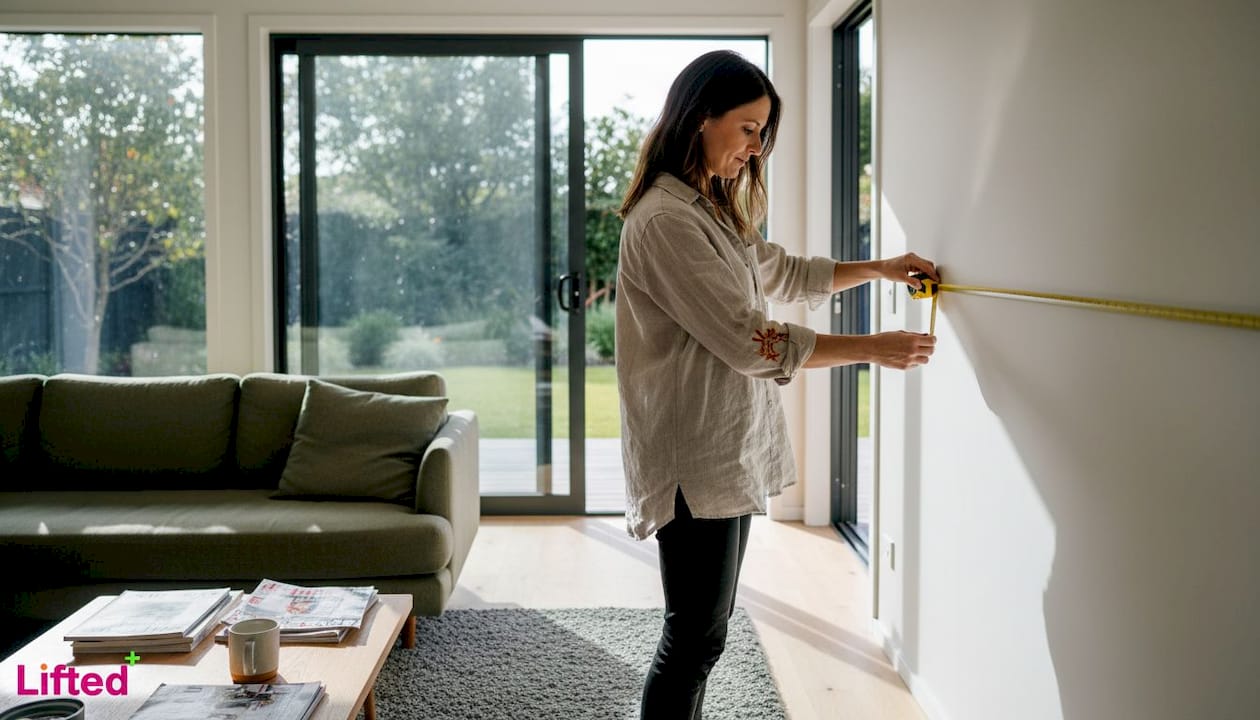
- Planning with painter’s tape helps ensure the right size, placement, and style before buying or hanging art.
- Bold, oversized statement pieces add character and impact, making rooms memorable and lively.
Bare walls have a way of making even the most beautifully furnished room feel unfinished. You’ve arranged the furniture, chosen the cushions, painted the walls, and yet something is still missing. That missing element is almost always art. The challenge is that choosing wall art feels surprisingly difficult when you’re standing in front of an empty wall with no clear starting point. This guide walks you through every stage of the process, from assessing your space and planning your layout to selecting the right type, colour, and scale of art so that your walls finally hold the room the way they should.
Table of Contents
- Understand your space and style
- Plan your wall art selection
- Choose your art: Types, colour, and impact
- Common mistakes and how to verify your choice
- Our perspective: Why bold choices add the most character
- Find art that transforms your space with Lifted+
- Frequently asked questions
Key Takeaways
| Point | Details |
|---|---|
| Size matters most | Choosing art that’s too small is the most common mistake—go large for impact. |
| Plan before you buy | Measure your space, test arrangements, and visualise before purchasing. |
| Match art to style | Align wall art with your interior’s colour palette and mood for a unified look. |
| Bold choices pay off | Strong, statement pieces ground and energise modern spaces more than safe options. |
Understand your space and style
Before you browse a single artwork, you need to understand the wall you’re working with. This sounds obvious, but most people skip it, and that’s exactly where things go wrong.
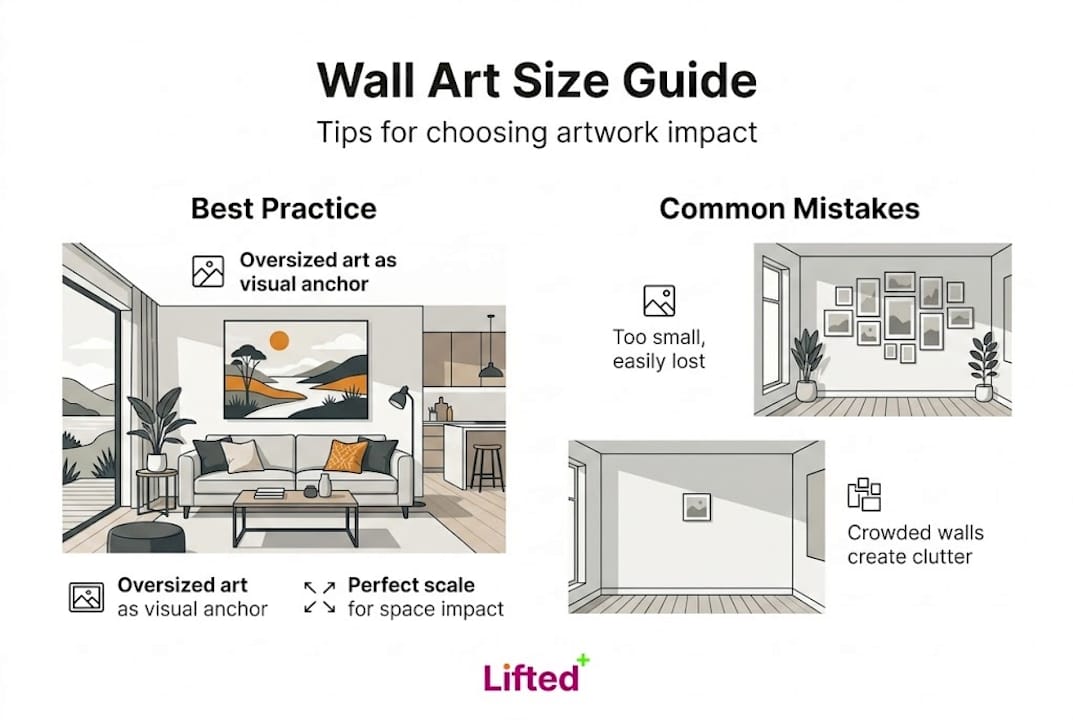
Size is the single most misunderstood factor in wall art selection. Bigger is often better for visual impact in modern spaces, yet most buyers default to something smaller than what the wall actually needs. A piece that looks large in a shop can disappear entirely on a wall above a sofa. The general rule is that your artwork should cover roughly two thirds of the available wall width. Any narrower and it floats awkwardly, lacking the visual weight to feel intentional.
Your existing decor style is the second key consideration. Study the shapes, textures, and tones already present in your room before committing to any artwork. A Scandinavian-influenced interior with light timbers and muted tones calls for something different to a mid-century modern space with warm walnut and graphic geometry. New Zealand interiors often blend coastal ease with a grounded, natural palette, and wall art styles for NZ homes range from abstract to botanical, sculptural to photographic, each landing differently depending on what else is in the room.
Here is a quick reference to help you match room types with art scale and style:
| Room | Recommended art size | Ideal style |
|---|---|---|
| Living room | Large to oversized (90cm+) | Abstract, statement canvas, sculptural |
| Bedroom | Medium to large (60–90cm) | Soft tonal, botanical, photographic |
| Hallway | Medium, vertical format | Linear, architectural, graphic print |
| Dining room | Large, horizontal | Bold colour, expressive brushwork |
| Home office | Small to medium | Motivating, typographic, minimal |
Consider also the undertones in your paint colour, the finish on your floors, and the silhouette of your furniture. Statement wall art works best when it responds to the room’s existing visual language rather than fighting against it. A piece chosen without this context can feel jarring, no matter how beautiful it is on its own.
Plan your wall art selection
Once you’ve identified your style and space, it’s time to plan your wall art with intention. This step separates a thoughtful result from a guessed one.
Start by measuring your wall carefully, noting the width and height of the space you’re working with. Then measure any furniture sitting below or in front of it, such as a sofa, bed head, or console table. The relationship between art and furniture is as important as the relationship between art and the wall itself. Art hung too high disconnects from the room; hung too low it feels crowded. The centre of your artwork should generally sit at about 145 to 150 centimetres from the floor.
The most practical planning tool costs nothing. Expert guidance consistently recommends testing your arrangement with painter’s tape before purchasing or hanging anything. Simply mark out the outline of your intended artwork directly on the wall and step back. Live with it for a day. Look at it in morning light and evening light. This single step prevents the most common and costly mistake in wall art: buying something that turns out to be the wrong size.
Here’s a simple process to follow:
- Measure the wall width and height of your intended hanging space.
- Measure the furniture below the space if applicable.
- Mark your intended art border on the wall with painter’s tape.
- Photograph the taped wall from several distances and angles.
- Review photos to assess scale, proportion, and balance.
- Adjust the tape outline until you feel confident, then use those final measurements to guide your search.
Pro Tip: When planning a gallery wall arrangement, tape out each individual frame separately on the wall before purchasing a single piece. This lets you experiment with spacing and composition without any commitment.
If you’re deciding between a single statement piece and a gallery arrangement, the choice comes down to the wall and the mood you want. A single large piece creates calm, hierarchy, and immediate visual impact. A gallery wall adds warmth, personality, and layered interest but demands more planning to avoid feeling chaotic. For wall art sizing tips specific to each approach, it helps to know that oversized art almost always commands more presence with less effort.
| Approach | Strengths | Best suited to |
|---|---|---|
| Single statement piece | Bold, clean, anchoring | Feature walls, above sofas, large bedrooms |
| Gallery wall | Personal, layered, flexible | Hallways, stairwells, reading nooks |
Choose your art: Types, colour, and impact
With your wall space mapped out, focus shifts to art selection, specifically type, colour, and visual impact.
Not all art formats are equal, and knowing the difference helps you choose with clarity:
Prints: Affordable and widely available, prints offer tremendous range in style. The limitation is that a print behind glass can reflect light awkwardly and may feel less substantial than a canvas in a larger format.
Canvases: Canvas art feels more immediate and tactile, particularly in oversized formats. Without glass, it integrates into the room more naturally. It also suits textured, painterly imagery especially well.
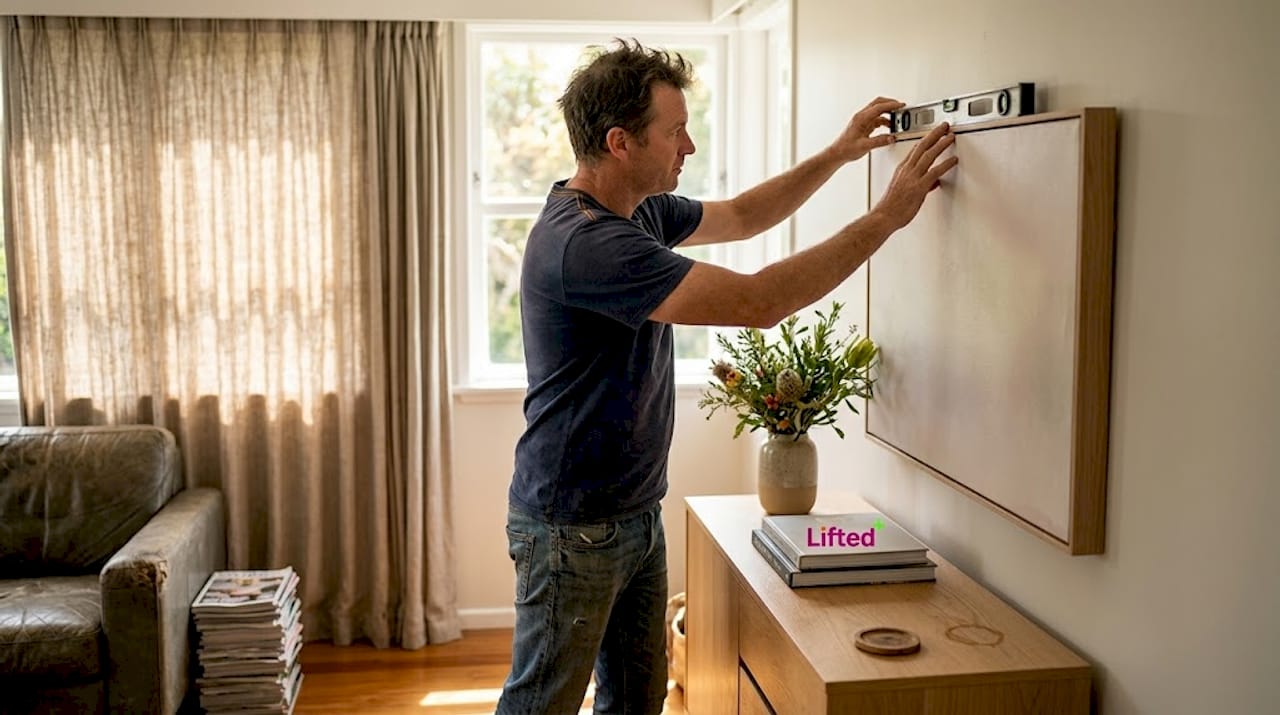
Original artworks: A one-of-a-kind piece carries a presence that reproductions cannot replicate. It introduces genuine artistic energy into a space and often becomes the starting point for broader decor decisions.
Colour is where art either lifts a room or unsettles it. A large, bold art piece can set the entire mood for a room, which is a powerful thing when used deliberately. Warm tones such as ochre, terracotta, and rust bring grounded energy, making them particularly suited to New Zealand interiors with timber flooring or clay-coloured walls. Cool tones including sage, slate, and dusty blue create calm and openness.
When coordinating art with your existing decor, consider the role of colour in wall art selection and how specific hues interact with your furniture, textiles, and architectural finishes. Explore the full range of unique wall art types to find which format and medium will best serve your space.
Pro Tip: Stick to two or three main colours that already appear in your room when selecting art. This creates cohesion without making your space feel overly matchy. The art should feel related to the room, not copied from it.
Common mistakes and how to verify your choice
After making your pick, it’s crucial to avoid classic mistakes and to verify your selection truly lifts your space.
The most frequent error is also the most preventable. Choosing art that’s too small for the available wall area is by far the most common mistake buyers make. A small piece on a large wall creates a visual gap that no amount of styling can fix. It looks accidental rather than intentional, and it diminishes both the art and the room.
Other frequent missteps include:
- Hanging art too high. Eye level (approximately 145 to 150cm from the floor) is the standard, and it applies in almost every setting.
- Ignoring lighting. Art that sits in shadow loses its presence entirely. Natural light from the side is ideal; directional picture lighting works well for evening.
- Clashing with existing decor. Art that contradicts the room’s style or colour palette creates visual tension rather than harmony.
- Overcrowding the wall. More is not always more. Two pieces that breathe are almost always stronger than five that compete.
“Before buying, tape the exact dimensions of the artwork you’re considering directly onto your wall. Step back, sit down, and look at it from where you’d normally be. If it feels right after 24 hours, you have your answer.”
If your art doesn’t feel right once it’s up, resist the urge to simply push through. Try shifting it lower, or pair it with a secondary piece to balance the composition. Large-scale art examples show just how anchoring a properly sized piece can be, and sometimes scale is all that needs adjusting. If a single piece isn’t working, gallery wall alternatives offer genuinely compelling options without the complexity of a full multi-frame arrangement.
Our perspective: Why bold choices add the most character
Here’s something we’ve observed consistently: the rooms people remember are never the ones that played it safe.
There’s a common instinct to choose art that’s small enough to go unnoticed if it doesn’t work. The logic is understandable but the result is always the same: the piece disappears, and the wall stays forgettable. Bold, statement wall art ideas create rooms that have genuine character and presence. They pull the entire space into focus.
When clients first see an oversized or deeply coloured work installed in their home, doubts dissolve. What felt risky in the shop feels completely right in the room. Small art often gets lost. It lacks the scale to hold your eye and the weight to ground the space around it.
Modern interiors reward originality. A single unexpected piece, something with real colour, sculptural texture, or emotional depth, does more for a room than a carefully matched set of safe prints ever will. Lean into what genuinely draws you, scale it up, and trust the effect.
Find art that transforms your space with Lifted+
If you’re ready to move from planning to doing, Lifted+ is where your next piece of wall art lives.
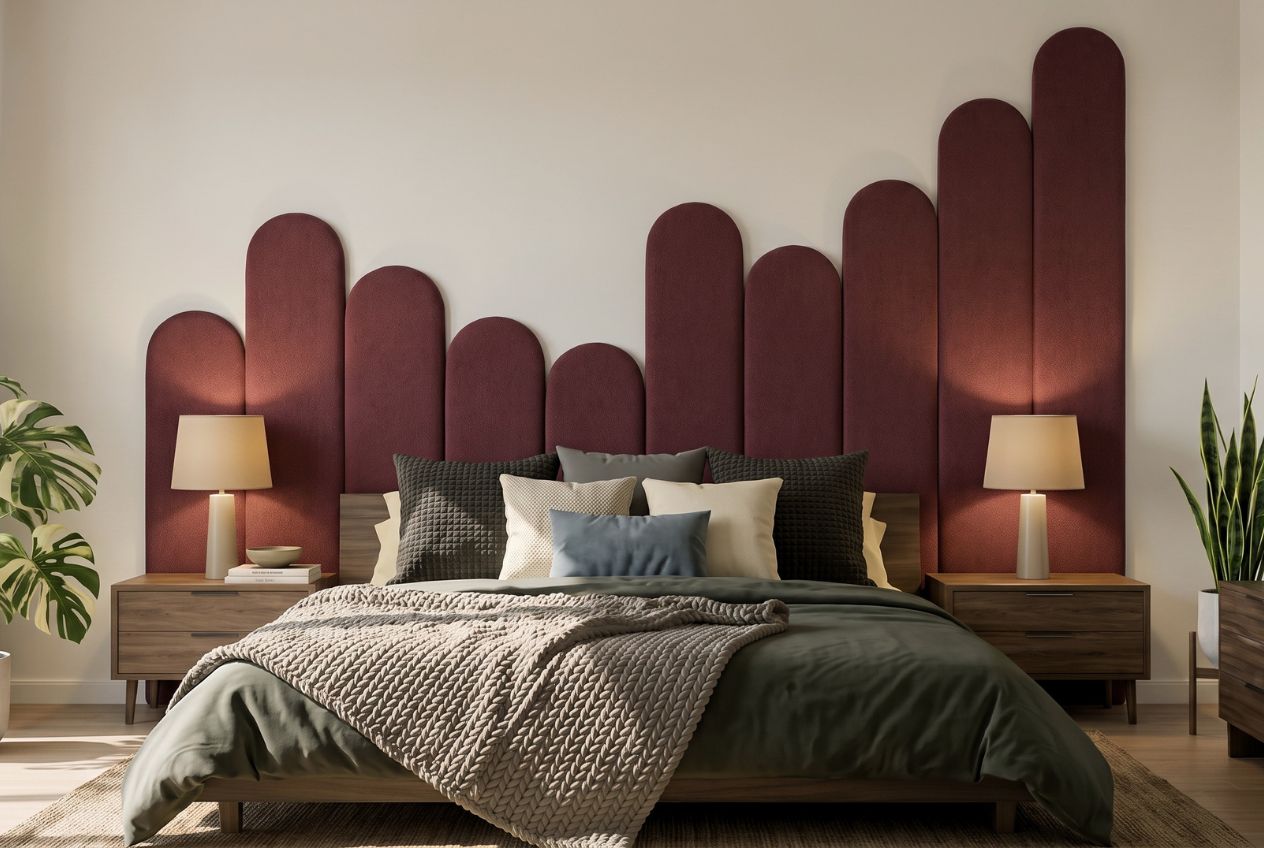
We curate wall art for modern spaces that are intentional, colour-led, and designed to make an immediate impact. From bold canvases to sculptural works that bring shape and energy to any wall, each piece in our collection is chosen for its ability to transform rather than simply decorate. For something truly distinctive, our limited edition wall art offers seasonal, one-of-a-kind works that won’t appear in every other home in the street. Browse the full collection and find the piece your walls have been waiting for.
Frequently asked questions
How do I know what size wall art to choose for my room?
Your artwork should fill at least two thirds of the available wall space, or roughly match the width of the furniture below it. As experts note, bigger is often better for visual impact in modern interiors.
What is the best way to test wall art placement before hanging?
Use painter’s tape to mark out the exact dimensions of your intended artwork on the wall, then live with that outline for at least a day before purchasing or hanging.
How do I coordinate wall art colours with my decor?
Stick to two or three colours already present in your room, such as tones from your cushions, rugs, or furniture, to create a cohesive look without making the space feel overly matched.
Is large wall art suitable for small rooms?
Yes. A single large piece can actually make a small room feel more purposeful and expansive, provided it’s sized to anchor rather than overwhelm the space. Scale used well creates presence, not crowding.