
TL;DR:
- Thoughtfully chosen art significantly reduces stress, improves focus, and speeds recovery within homes.
- Art’s emotional and spatial impact depends on scale, placement, and personal resonance.
- Intentional selection and placement of art enhance emotional wellbeing and create authentic interior impact.
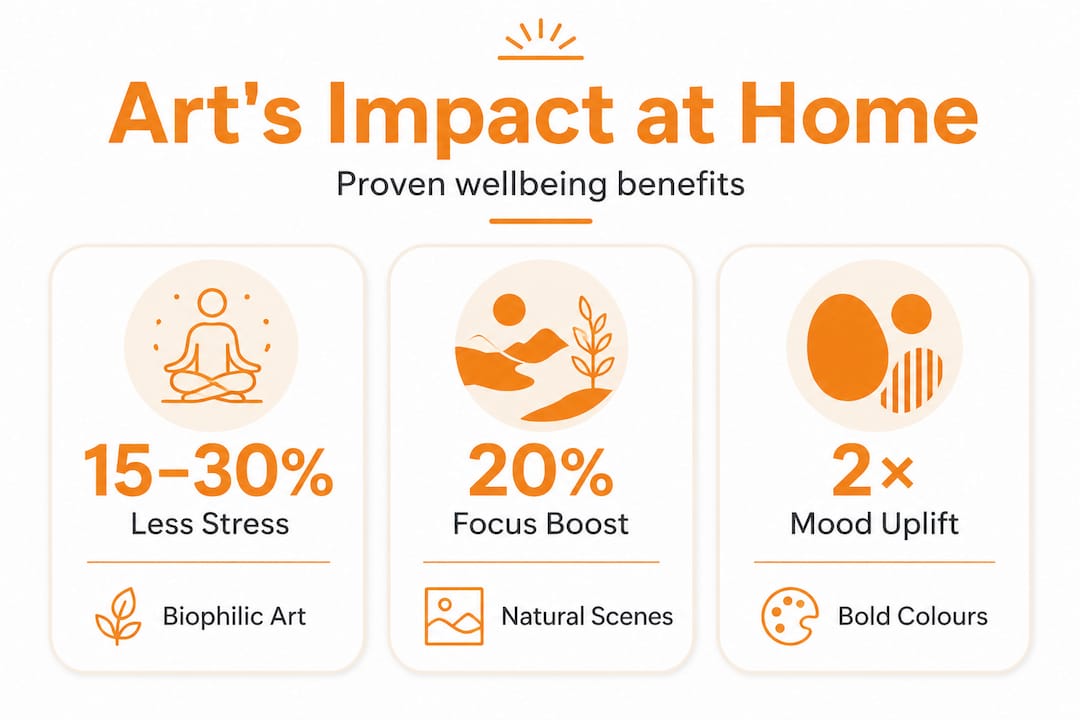
Art in your home does far more than fill a blank wall. Research confirms that well-chosen art reduces stress by 15 to 30%, improves focus by up to 25%, and speeds recovery from fatigue significantly, with biophilic art showing a meaningful reduction in depression and anxiety symptoms over twelve months. These are not minor effects. They shift the entire emotional register of a space. If you have ever walked into a room and felt immediately at ease, or energised without knowing quite why, there is a reasonable chance that art, placed thoughtfully and chosen with intent, was doing much of that work.
Table of Contents
- What does artistic impact actually mean in interior design?
- Evidence-backed benefits: How art transforms your living space
- Choosing and placing art for true impact: Common pitfalls
- Making it personal: Curating impactful, unique artistic statements in your NZ home
- Why most homes miss out on impact: A designer’s honest take
- Bring genuine artistic impact to your own New Zealand home
- Frequently asked questions
Key Takeaways
| Point | Details |
|---|---|
| Art changes mood | Carefully chosen art can lower stress, uplift mood, and boost focus in your home. |
| Scale matters | Oversized or bold art can overwhelm small spaces so always match the artwork to the room size. |
| Personalisation is key | Spaces feel more vibrant and unique when art choices reflect your own story and taste. |
| Practical evidence | Scientific research shows measurable wellbeing benefits from integrating art and biophilic pieces. |
What does artistic impact actually mean in interior design?
The phrase “artistic impact” gets used loosely. In interior design, it means something specific: the capacity of a piece, or a curated collection of pieces, to alter the way a room is experienced rather than simply how it looks. It is the difference between decoration and transformation. Decoration fills space. Transformation shapes how you feel within it.
Understanding art’s role in modern interiors starts with recognising that a room communicates before anyone says a word. Colour, scale, line, and texture all carry emotional weight. Art brings all four together in a single object, giving it unusual power within a space.
The psychological effects at work are well established:
- Emotional regulation: Art with warm, grounded tones can lower cortisol levels and create a felt sense of calm, particularly in spaces used for rest.
- Cognitive engagement: Figurative or complex works draw the eye and the mind, improving sustained attention and reducing mental fatigue.
- Identity expression: Personally resonant art signals who lives in a space, creating a sense of belonging and psychological safety.
- Spatial perception: Scale, framing, and placement can make rooms feel larger, taller, or more intimate depending on intent.
“Art is not a luxury added after a room is finished. It is often the decision that makes a room worth finishing.”
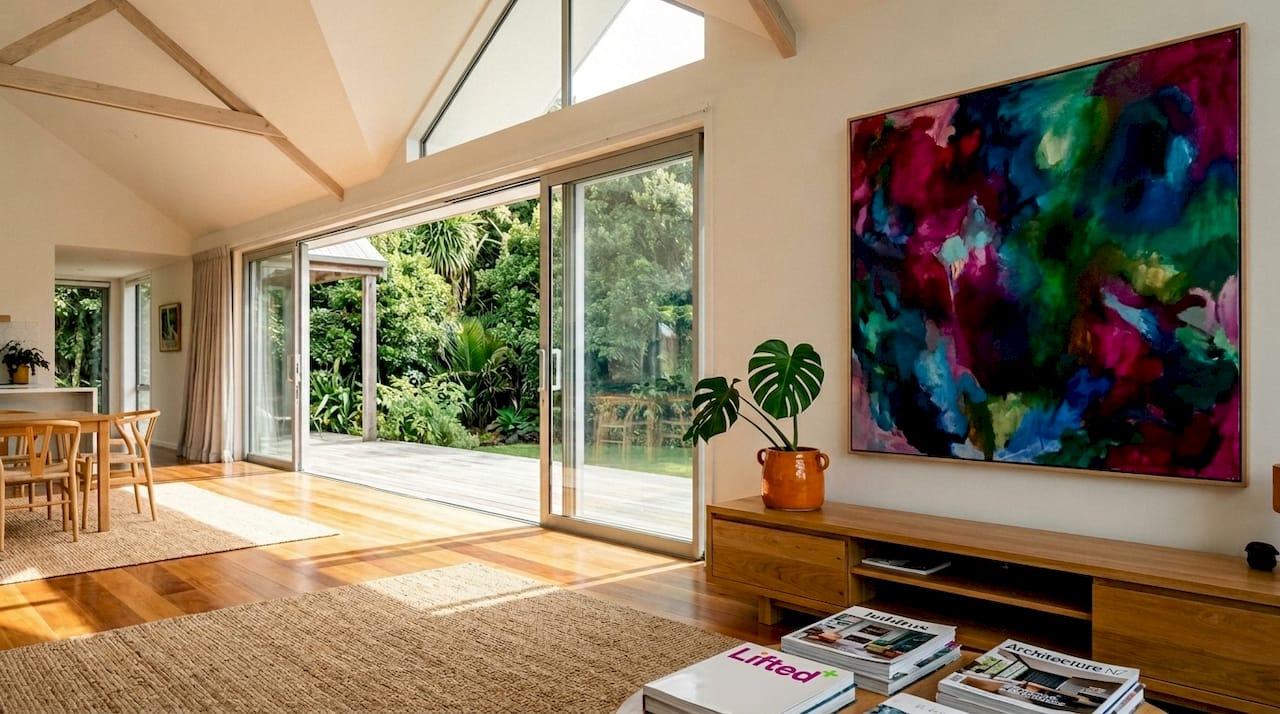
The distinction matters enormously in modern New Zealand homes, where open plan living, high ceilings, and large glazed walls create spaces that can easily feel unanchored. A considered piece of wall art gives those rooms a focal point that furniture alone rarely provides. It brings shape to the air between surfaces.
Evidence-backed benefits: How art transforms your living space
Research paints a compelling picture of what art actually does inside a home environment. The numbers below represent findings from controlled studies examining residential and clinical spaces where art was introduced as a deliberate design variable.
| Benefit | Measured improvement | Art type most effective |
|---|---|---|
| Stress reduction | 15 to 30% decrease | Nature-based and biophilic works |
| Focus and concentration | 20 to 25% improvement | Abstract and structured compositions |
| Recovery from fatigue | 15 to 25% faster | Landscapes and soft figurative pieces |
| Depression and anxiety symptoms | Significant reduction over 12 months | Biophilic integrated art |
The data on art’s impact reflects a study that tracked participants over a full year, using a rigorous statistical model (F=18.47, p<.001), which in plain terms means the results were highly unlikely to occur by chance. This is not anecdote. This is measured, repeatable effect.
Biophilic art, which integrates natural forms, organic textures, or botanical imagery, consistently outperforms conventional decorative prints in emotional benefit. It connects the viewer to nature without requiring actual outdoor access, which matters greatly in urban New Zealand apartments or homes with limited garden space.
Pro Tip: If you are choosing art for a bedroom or home office, prioritise nature-based imagery or organic abstract forms. These deliver the strongest measurable improvements to both sleep quality and sustained focus, two things most people want more of.
What separates a statement wall art piece that genuinely transforms from one that merely fills a wall is presence. A work with clear compositional hierarchy, intentional colour weight, and considered scale does not compete with its surroundings. It organises them. The room feels resolved because the art holds the visual logic together.
Choosing and placing art for true impact: Common pitfalls
Understanding the benefits is only half the equation. The way you choose and place art determines whether those benefits actually reach you. Poor placement or a mismatched scale can undermine even the most beautiful piece, leaving a room that feels agitated rather than resolved.
Research cautions that bold art can overwhelm smaller rooms, reducing spatial coherence and creating visual tension that works against comfort. Similarly, integrated greenery art, while high in fascination value, can disrupt the harmony of a room more than a simple potted plant if not placed with care.
Here is a straightforward comparison between approaches that work and those that commonly fall flat:
| Approach | When it works | When it fails |
|---|---|---|
| Oversized single artwork | Large walls, high ceilings, open plan spaces | Compact rooms, low ceilings, cluttered walls |
| Gallery wall arrangement | Hallways, stairwells, dining rooms | When pieces lack a unifying element (colour, tone, or style) |
| Biophilic or botanical art | Any room, particularly urban apartments | When layered with competing natural textures without hierarchy |
| Bold, high-contrast pieces | As a room anchor in neutral interiors | When the rest of the room is already visually busy |
To place art with genuine intent, follow these steps in order:
- Identify the focal point of the room first. Art should reinforce a natural anchor, such as a fireplace wall, a dining wall, or the wall behind a bed, rather than compete for attention from an awkward position.
- Measure before you commit. For choosing art size, a piece should occupy roughly 60 to 75 per cent of the wall width it anchors. Less than this and the work floats; more and it overwhelms.
- Hang at eye level. The centre of a piece should sit approximately 145 to 150 centimetres from the floor. In rooms where you sit more than stand, such as a lounge or dining room, lower this by 10 to 15 centimetres.
- Test with paper templates before drilling. Cut paper to the exact dimensions of your chosen piece and fix it to the wall with painter’s tape. Live with it for a day. See how light falls on that position at different times.
- Consider decorating with oversized art as an architectural move, not a decorative one. A large work on a bare wall does not just add colour. It restructures the perceived proportions of the entire room.
Pro Tip: When anchoring a room with bold art, keep the surrounding palette restrained. The art becomes the conversation. Everything else becomes the room it lives in.
Making it personal: Curating impactful, unique artistic statements in your NZ home
Art that is truly impactful is not just aesthetically strong. It is personally resonant. A piece that means something to you operates differently in a room. It gives you a relationship with the space that guests sense even if they cannot name it. That quality, of a home feeling inhabited rather than staged, is what separates genuinely expressive interiors from those that look good in photographs but feel hollow in person.
The sustained wellbeing benefits of living with art grow stronger over time when there is an emotional connection between the viewer and the work. Novelty fades. Meaning does not.
Consider these approaches when curating your own collection:
- Start with colour, not style. Choose works that speak to your existing colour story or introduce the palette you want to move toward. Colour is the fastest route to emotional resonance.
- Mix scale deliberately. One large anchor piece combined with smaller complementary works creates visual hierarchy without monotony. A wall art piece that holds a room provides the grammar; the smaller pieces add vocabulary.
- Layer mediums thoughtfully. Combine photographic prints with hand-painted works or textile art. The variation in texture prevents a collection from feeling flat or mass-produced.
- Consider the light before the piece. Natural light changes colour throughout the day. A work with warm ochre tones will shift dramatically between morning and late afternoon. Visit a space at different times before deciding where a piece will live.
- Resist the urge to complete a wall in one purchase. The best collections grow. Buying one strong piece and living with it tells you exactly what it needs beside it. A gallery wall built over time has an authenticity that a single shopping trip rarely achieves.
The result you are after is not a curated showroom. It is a space that feels entirely like yours, specific enough to surprise visitors and comfortable enough to fully release tension the moment you walk through the door.
Why most homes miss out on impact: A designer’s honest take
After years of observing how people relate to art in their homes, the pattern is consistent. Most homeowners either play it far too safe, defaulting to inoffensive prints that blend into the background, or they overcorrect toward drama without understanding what their space can actually hold. Both approaches produce the same result: a room that looks assembled but never quite arrives.
The honest truth is that genuine artistic impact is rare because it requires a clarity about what you actually want a space to feel like, not just look like. Most people shop for art the way they shop for furniture: by category and size, filling a gap rather than making a statement. The gap gets filled. The feeling never follows.
Art shaping interiors at the level that research describes requires intent before acquisition. It means asking what emotional work you need this space to do. A home office needs different art than a bedroom. A dining room has different demands than a hallway. These are not stylistic preferences. They are functional ones, and the research on focus, stress, and recovery bears this out.
The other pattern worth naming is the tendency to treat a room as finished once furniture is in place. Art gets added last, as an afterthought, chosen to fill rather than to lead. The rooms that hold genuine impact often reverse this logic. The art decision comes early. Sometimes it comes first. Research confirms that even the scale relationship between art and its surroundings has measurable psychological consequences. Getting this wrong is not simply an aesthetic error. It creates discomfort that most people attribute to something else entirely.
Curation is an ongoing practice, not a one-time event. The homes that feel genuinely alive are the ones where the art collection continues to evolve, responding to how the people in it change. That ongoing responsiveness is what makes a house feel like a living thing.
Bring genuine artistic impact to your own New Zealand home
Ready to make your space more vibrant and authentically you? Here is where to start.
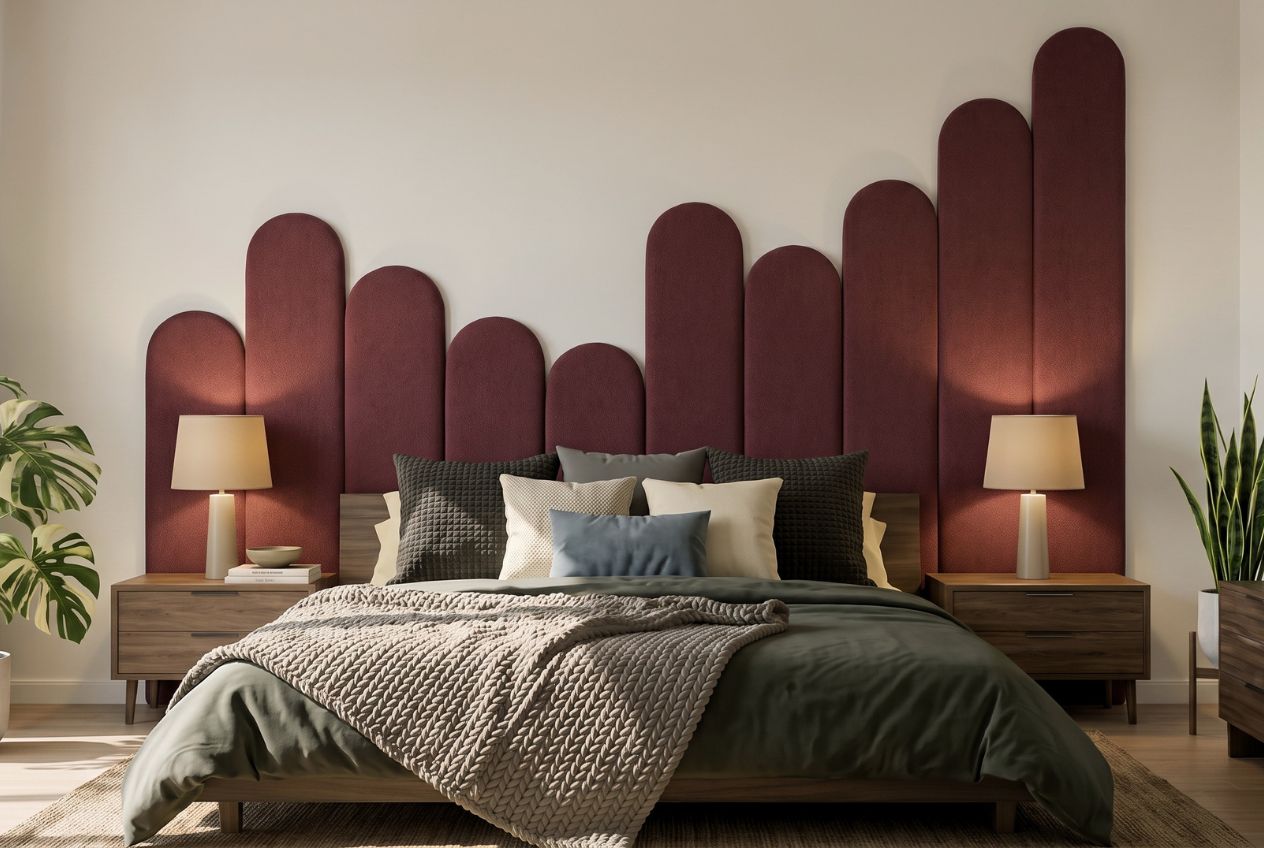
At Lifted+, we curate wall art and decorative pieces selected specifically for their ability to hold a room, carry emotional weight, and age beautifully within a modern New Zealand interior. Whether you are beginning with a single statement piece or building a considered collection, our shop wall art range offers works across scale, medium, and palette. If you want to understand how art might personalise your existing space, our guide to personalised decor ideas is a strong starting point. And if you are in the early stages of planning a room, our mood board library gives you a visual language to work from before you commit to a single purchase.
Frequently asked questions
How does art in interiors affect mental wellbeing?
Art reduces stress by up to 30% and biophilic art in particular shows a statistically significant reduction in depression and anxiety symptoms over a twelve month period. These are measurable, consistent effects observed across multiple living and clinical environments.
What is the best way to choose art for small spaces?
Select works that complement the room’s scale rather than compete with it, as overpowering art overwhelms small spaces and creates visual discomfort. A single, well-proportioned piece with a restrained palette tends to hold a compact room more effectively than multiple competing works.
How do plants and biophilic elements compare to traditional art pieces?
Biophilic art increases fascination but can reduce overall visual coherence compared to potted plants or conventional wall art when not carefully integrated. Both have genuine value, but their effects on spatial harmony differ in ways worth considering before you choose.
Can the wrong art choice negatively impact the room?
Yes. Mismatched scale, competing colour palettes, or art that overwhelms its context can create unease that residents feel but rarely identify as coming from the art itself. Getting the scale and placement right is as important as the quality of the piece.