

TL;DR:
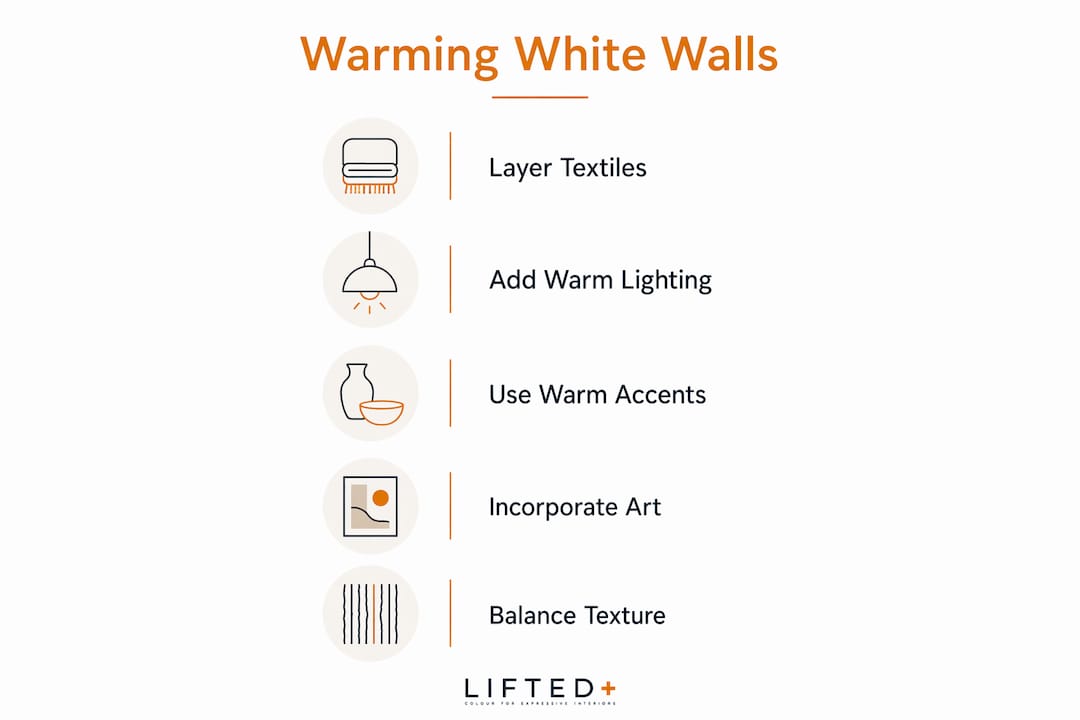
- Layering tactile materials and warm-toned lighting transforms white walls into cozy spaces without repainting.
- Adding vintage or dark sculptural accents creates visual anchors that ground and warm the room.
White walls feel warmer when you layer tactile materials, warm-toned lighting, and deliberate furnishings rather than repainting. The design principle at work here is called atmospheric warmth, a term interior designers use to describe the combined sensory effect of texture, light temperature, and colour accent. Wool throws, bouclé cushions, warm white bulbs in the 2700K–3000K range, and a single vintage timber piece can shift a clinical white room into something that genuinely holds you. This guide covers every practical strategy, from renter-friendly textile tricks to sculptural decor choices, so you can add warmth to white walls without touching a paintbrush.
What materials and textures best add warmth to white walls?
Layering rich, tactile materials like wool, bouclé, and linen is the most effective non-paint way to warm white walls. These fibres absorb light rather than reflect it, which softens the hard brightness that makes white rooms feel cold. The visual effect is immediate. A chunky wool throw draped over a sofa arm or a linen curtain pooling slightly on the floor introduces weight and depth that paint simply cannot replicate.
Natural fibres work particularly well because they carry inherent warmth in both colour and texture. Jute rugs are one of the most underrated tools here. A jute or sisal rug grounds the floor plane and pulls the eye downward, which makes the white walls feel like a backdrop rather than the dominant feature. Pair it with a woven cotton cushion or a sheepskin draped over a reading chair and the room begins to breathe.
The key is balancing texture against pattern. Following a 2:1 texture-to-pattern ratio prevents visual clutter while maintaining comfort. Two textured elements, such as a boucle cushion and a jute rug, for every one patterned element, such as a printed throw, keeps the room grounded. Overloading on pattern creates noise rather than warmth.
Renters have excellent options here because textiles require no permanent installation. Removable adhesive hooks allow you to hang fabric wall hangings or woven tapestries that soften sound and visually warm the room without damaging walls. A large macramé or woven textile hung above a sofa acts as both a focal point and an acoustic buffer, which is a genuine dual benefit in hard-floored apartments.
Pro Tip: Layer at least three different textile weights in a single room: something heavy like a wool rug, something mid-weight like a linen cushion cover, and something light like a sheer cotton curtain. The contrast between weights creates the layered, lived-in quality that makes a white room feel genuinely cosy rather than staged.
You can also decorate without painting walls by using freestanding textile elements like room dividers, hanging shelves with woven baskets, or even a large faux wood removable wallpaper panel behind a bed or sofa. These options are especially practical for renters who cannot make structural changes.
How does lighting make white walls warmer and more inviting?
Layered lighting is the most overlooked element when warming white walls. Most people rely on a single overhead fitting, which flattens the room and amplifies the sterility of white paint. The fix is not more brightness. It is more sources, placed lower and warmer.
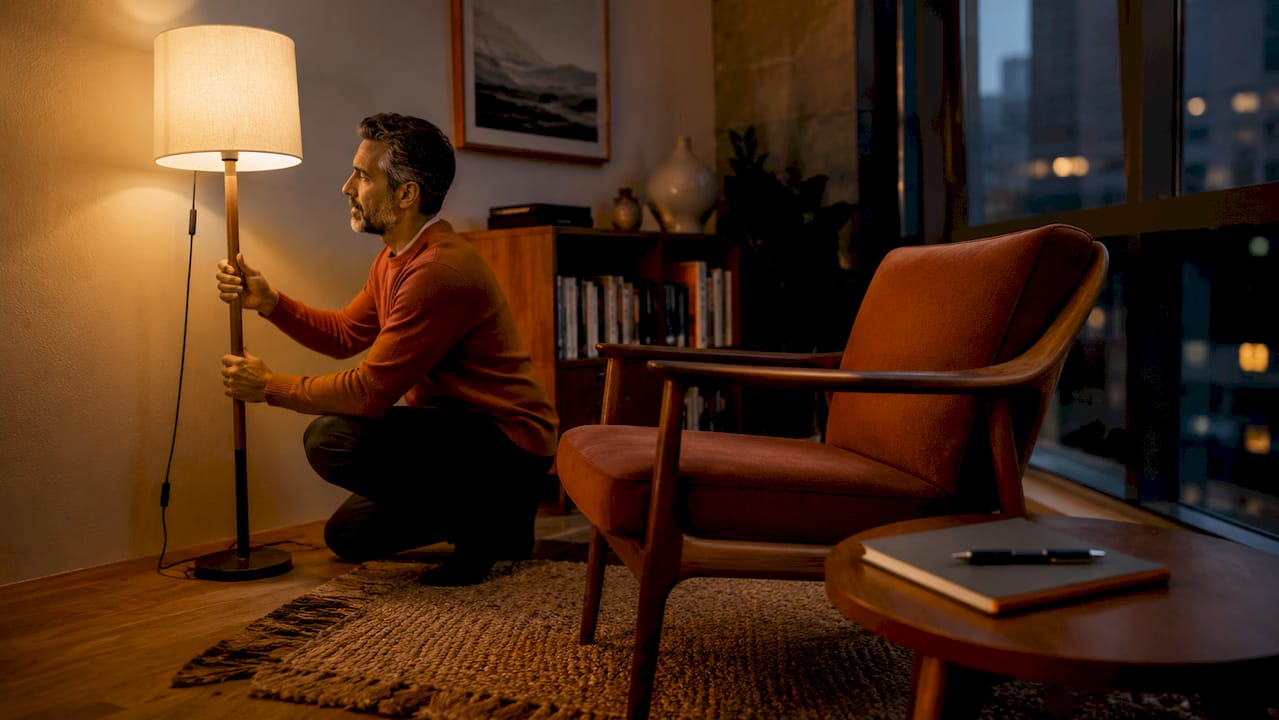
Warm white bulbs in the 2700K–3000K range are the standard recommendation from lighting designers for residential spaces. Bulbs above 3500K push into cool white territory, which makes white walls look grey or clinical. A 2700K bulb produces a soft amber glow that reads as candlelight adjacent, and that quality of light makes white walls appear cream or ivory rather than stark.
The layered approach works like this:
A table lamp on a side table creates a pool of warm light at seated eye level. A floor lamp in a corner pushes light upward and softens the ceiling plane. A wall sconce or picture light draws attention to a specific artwork or wall zone. A dimmer switch on the overhead fitting lets you reduce its intensity in the evening so it stops competing with the warmer sources below.
High-gloss or cool overhead lighting flattens space and heightens sterility. This is why builder-grade downlights on full brightness make white rooms feel like operating theatres. Swap cool-toned globes for warm white equivalents and add a dimmer. The difference is immediate and costs very little.
Natural light also plays a role. North-facing rooms in the Southern Hemisphere receive consistent, warm-toned light throughout the day. If your room faces south, use sheer linen curtains rather than blockout blinds during the day. Sheer fabric diffuses natural light and gives it a golden quality that bounces warmly off white walls.
Pro Tip: Place a table lamp or floor lamp in the corner diagonally opposite your main seating area. That corner becomes a warm anchor point that draws the eye away from the ceiling and makes the whole room feel more intimate. This technique is sometimes called “corner lighting” in residential design.
For more on choosing between warm and cool sources, Liftedplus has a detailed guide on warm vs cool lighting that covers fixture types, placement, and colour temperature in practical terms.
What furniture and accents ground white walls and add warmth?
A single vintage or dark sculptural piece does more for a white room than a full matching furniture set. Designer Steven Graffam notes that atmospheric warmth comes from tactile and vintage tones rather than paint changes. One dark timber side table, one aged brass lamp, or one leather-upholstered chair introduces a visual anchor that stops the room from floating in whiteness.
Warm wood, aged brass, and leather accents soften white walls and introduce natural warmth without repainting. These materials carry inherent warmth in their colour temperature. Brass reads as gold-adjacent. Timber reads as earth. Leather reads as organic. Together, they create a cosy yet considered look that white walls alone cannot achieve.
Adding vintage or dark sculptural accents can warm white walls for under $150, which makes this approach accessible for renters and homeowners on a budget. A second-hand timber stool used as a side table, a brass candleholder cluster on a shelf, or a dark ceramic vase on a windowsill all qualify. The key is intentionality. One well-chosen piece grounds the room. Five mismatched pieces create clutter.
Avoid perfectly matched furniture sets. Matching sets read as showroom displays rather than lived-in homes. The slight tension between a vintage timber shelf and a modern linen sofa is exactly what gives a white room its personality. That friction is not a design mistake. It is the design.
For renters, freestanding furniture does all the work. A tall dark bookshelf against a white wall creates a dramatic vertical contrast. A rattan armchair in the corner introduces organic texture. Neither requires a single nail or patch of filler. Liftedplus explores how furniture shapes a room’s ambiance in depth, covering sculptural form and material warmth for modern New Zealand homes.
How do colour and art infuse warmth into white walls?
Warm neutrals are the most practical accent colours for white-walled rooms. Camel, blush, taupe, and olive all sit in the warm half of the colour wheel and read as grounded rather than bold. They introduce colour without competing with the white. A camel-coloured cushion, an olive ceramic pot, or a blush linen throw each adds a note of warmth that accumulates across the room.
The table below shows how each warm neutral performs as an accent against white walls:
| Warm neutral | Visual effect on white walls | Best application |
|---|---|---|
| Camel | Adds golden warmth, feels grounded | Cushions, throws, upholstery |
| Blush | Softens brightness, feels gentle | Artwork, ceramics, textiles |
| Taupe | Neutralises coolness, feels earthy | Rugs, curtains, timber tones |
| Olive | Introduces organic depth | Plants, ceramics, wall art |
Art selection matters as much as colour. Nicholas Potts advises against perfectly coordinated art, recommending instead that you embrace idiosyncrasies in your selections. A piece of art that surprises you slightly, that does not match the cushions exactly or sit in a predictable colour family, is what gives a white room its soul. Coordination creates a catalogue. Personality creates a home.
For renters, wall art that holds a room without requiring permanent installation is the priority. Large-format prints leaned against the wall on a shelf or mantle require no hanging at all. Removable picture-hanging strips support frames up to several kilograms on most plaster walls. A single large artwork in warm ochre, rust, or deep terracotta does more for a white wall than six small prints ever could.
Avoid high-gloss finishes and cool-toned whites in both paint and art framing. Glossy white frames reflect cool light and amplify the sterility you are trying to counteract. Choose natural timber, matte black, or brushed brass frames instead. These materials carry warmth in their own right and make the art feel anchored rather than floating.
Key takeaways
Warming white walls requires layering texture, light temperature, and warm-toned accents rather than repainting, and each element compounds the effect of the others.
| Point | Details |
|---|---|
| Layer tactile textiles | Use wool, bouclé, linen, and jute at multiple weights to absorb light and add depth. |
| Use warm white bulbs | Bulbs in the 2700K–3000K range prevent white walls from reading as clinical or stark. |
| Add one vintage anchor | A single dark timber or aged brass piece grounds the room and breaks the builder-basic look. |
| Choose warm neutral accents | Camel, blush, taupe, and olive add colour warmth without competing with white walls. |
| Renter-friendly options exist | Removable hooks, leaned art, and freestanding furniture deliver warmth without permanent changes. |
What I have learned about warming white walls
White rooms get a bad reputation they do not entirely deserve. The problem is rarely the white itself. It is the absence of everything else.
I have walked into white-walled rooms that felt genuinely warm and inviting, and the difference was never paint. It was always the quality of light at 7pm, the weight of a rug underfoot, the slight surprise of a dark timber shelf against all that brightness. Warmth is atmospheric and tactile, not just visual. You can add candles, a diffuser, a sheepskin, and the room shifts before you have changed a single wall.
The mistake I see most often is over-patterning. People add a patterned rug, patterned cushions, and a patterned throw, and then wonder why the room feels busy rather than cosy. The 2:1 texture-to-pattern rule exists for a reason. Texture reads as warmth. Pattern reads as noise. Keep the pattern restrained and let the textures carry the room.
The other common error is relying on overhead lighting alone. A single bright downlight on full power is the fastest way to make a white room feel like a waiting room. Two table lamps and a dimmed overhead fitting cost almost nothing to implement and change everything about how the space feels after dark.
If you are renting and feel limited, you are not. A large leaned artwork, a jute rug, a warm-toned throw, and a $30 table lamp with a 2700K globe will do more for your white walls than any amount of planning. Start with the lamp. The rest follows.
— Michelle
Warm your white walls with Liftedplus
White walls are not a problem to solve. They are a canvas to work with. Liftedplus curates wall art, lighting, and decorative accents specifically chosen to bring warmth, presence, and personality to modern New Zealand interiors.

Whether you are a homeowner building a considered interior or a renter wanting warmth without permanent changes, Liftedplus has practical, beautiful options. The renter-friendly home decor guide covers nine specific ideas that work in leased spaces. The mood and style personalisation guide shows how individual decor choices shape the emotional atmosphere of a room. Both are worth your time if you are serious about making your white walls feel like home.
FAQ
What is the quickest way to warm up white walls?
Swap cool-toned overhead bulbs for warm white globes in the 2700K–3000K range and add one table lamp at seated eye level. This single change shifts the entire atmosphere of a white room within minutes.
Can renters make white walls feel warmer without painting?
Yes. Removable adhesive hooks support fabric wall hangings and tapestries, while leaned artwork, jute rugs, and freestanding furniture all add warmth without permanent changes. These methods are fully reversible and bond-safe.
What colours work best as accents against white walls?
Camel, blush, taupe, and olive are the most effective warm neutrals against white walls. They add colour warmth without overwhelming the white, and they work across textiles, ceramics, and artwork.
How do I stop white walls from looking clinical?
Layer multiple light sources at different heights, use warm white bulbs, and introduce at least one dark or vintage anchor piece such as a timber shelf or aged brass lamp. Avoid high-gloss finishes on both walls and frames, as gloss amplifies the clinical quality of cool light.
Does art really make a difference on white walls?
A single large-format artwork in warm tones such as ochre, rust, or terracotta does more for a white wall than several small prints. Art with personality and slight visual surprise, rather than perfectly coordinated pieces, gives a white room its character and warmth.