
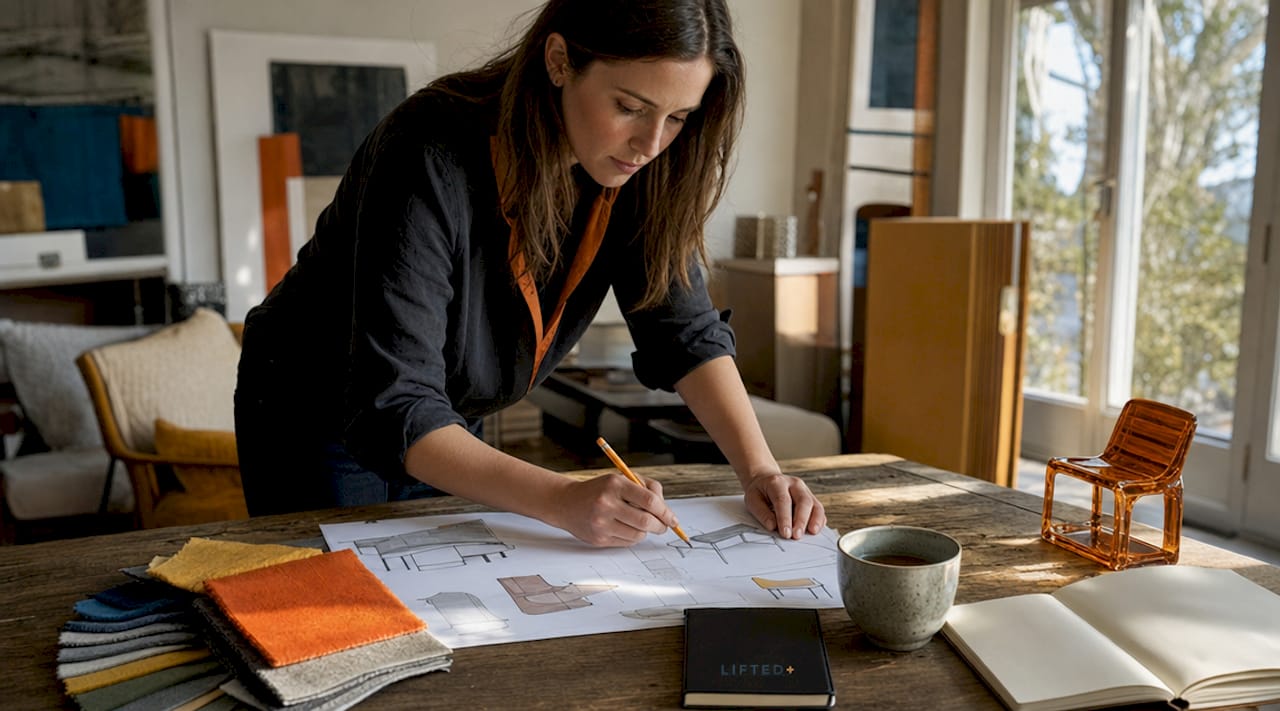
TL;DR:
- Limited edition furniture must have clear authorship, artistic intent, and certified rarity to qualify as collectible. These pieces are produced in small, numbered runs and circulated through galleries and auctions, not mass retail. A certificate of authenticity and recognition of the designer’s reputation are essential for maintaining value and authenticity.
Limited edition furniture is defined by three non-negotiable criteria: clear authorship, artistic intentionality, and deliberate rarity of production. These are not marketing terms. They are the industry-recognised standards that separate collectible design from the vast world of decorative furniture. Understanding them changes how you see every piece in a room, and how you choose what belongs in yours.
The phrase “limited edition furniture” gets used loosely in retail, but the concept it points to has a precise meaning in the design world. Collectible design, as it is known in galleries and auction houses, is furniture conceived as an artistic expression first and a functional object second. Designers like Ashiesh Shah, studios like Established and Sons, and platforms like Design Miami have spent decades building the vocabulary and market infrastructure that give these pieces their cultural weight. Knowing that vocabulary puts you in a far stronger position, whether you are furnishing a home or beginning a collection.
What are the three defining criteria of limited edition furniture?
Collectible design is built on three criteria, and a piece must satisfy all three to qualify. Understanding each one separately makes the whole concept click into place.
Authorship means the piece carries the identity of a named creator whose cultural or artistic standing is recognised. This is not simply a maker’s mark on the underside of a chair. It is the presence of a designer whose body of work, philosophy, and reputation give the object meaning beyond its materials. A dining table by a celebrated studio carries a different kind of weight than one produced anonymously at scale. The authorship is part of what you are acquiring.
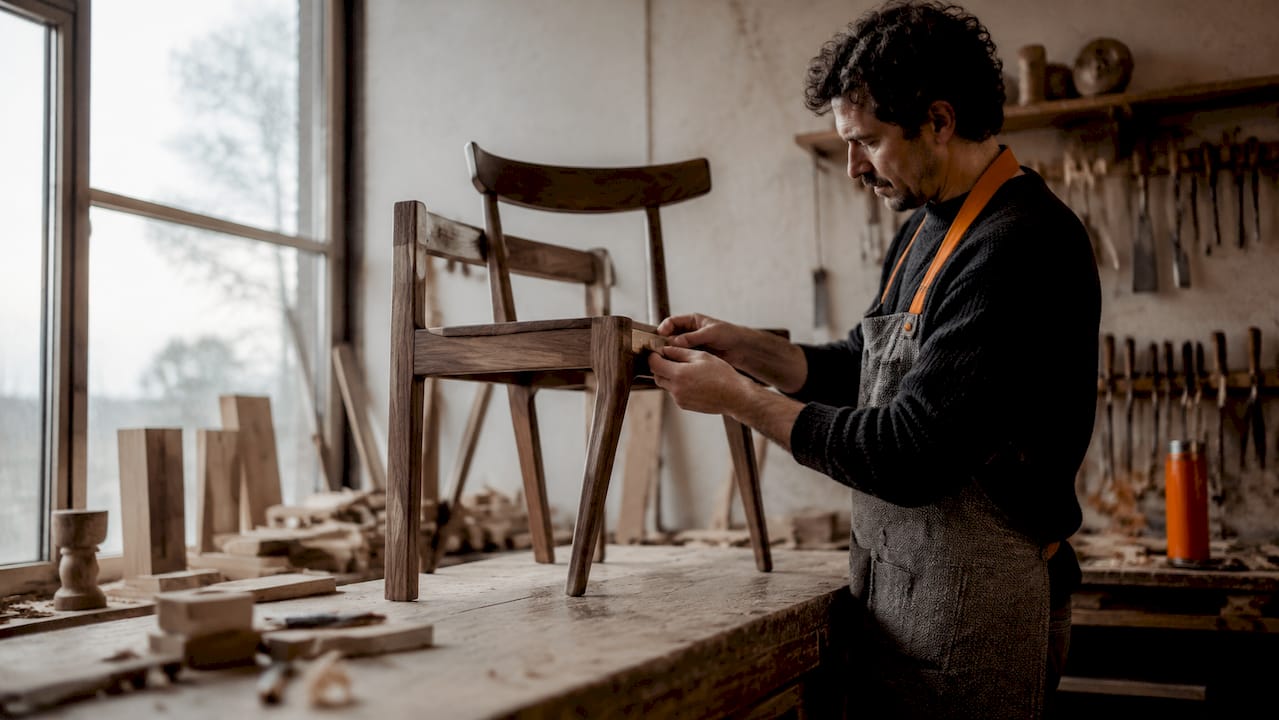
Intentionality is the criterion that most sharply distinguishes collectible furniture from decor used to fill space. Designer Ashiesh Shah describes intentionality as the quality that makes a limited edition piece a work of thought, not merely a work of craft. The object was conceived to provoke a response, carry a concept, or extend a cultural conversation. A chair designed to explore the tension between industrial material and organic form is intentional. A chair designed to match a sofa is not.
Rarity is the most visible criterion, but it is also the most misunderstood. True rarity in collectible design means a deliberately small or numbered production run, often accompanied by a certificate of authenticity that specifies the edition number and the maker’s identity. Without that documentation, value can drop by 50% or more, regardless of the piece’s physical quality. Rarity without verification is simply scarcity. Rarity with certification is collectible status.
Pro Tip: When evaluating any piece described as limited edition, ask for the edition number, the total run size, and the certificate of authenticity before any other conversation. These three details tell you immediately whether you are looking at a genuine collectible or a marketing claim.

How does limited edition furniture differ from standard home decor?
The difference between collectible furniture and standard home decor is not purely about price. It is about the relationship between the object and the ideas it carries.
| Feature | Limited edition furniture | Mass-produced furniture |
|---|---|---|
| Authorship | Named designer with cultural standing | Anonymous or brand-attributed production |
| Production scale | Small, numbered runs with certification | Thousands of identical units |
| Distribution | Galleries, design fairs, specialist auctions | Mass retail, online marketplaces |
| Intentionality | Conceived as artistic expression | Designed for function and commercial appeal |
| Value trajectory | Can appreciate over time | Depreciates with use |
Mass-produced furniture is designed to meet a brief: comfortable, durable, priced to sell. The process is industrial, the distribution is broad, and the object carries no particular narrative. Limited edition furniture follows a different logic entirely. Selective distribution through galleries, design fairs like Design Miami or Salone del Mobile, and specialist auction houses is not incidental. It is part of how collectible status is established and maintained.
The role of narrative is also significant. A limited edition piece arrives with a story: the material research behind it, the cultural reference it draws on, the problem of form it was trying to solve. That intellectual engagement is part of what you bring into your home. Standard decor fills space. Collectible furniture holds a position in the room and in a broader cultural conversation.
It is worth noting that bespoke furniture occupies a distinct category of its own. A custom dining table, such as the kind of singular commission that might carry a price of $60,000 or more, holds absolute scarcity as a one-of-a-kind object. It may appreciate significantly while remaining fully functional. Bespoke and limited edition are related but not identical: bespoke is singular by definition, while limited edition implies a small numbered series with shared authorship and intent.
Why do interior designers and collectors value limited edition furniture?
The appeal of collectible furniture to serious interior designers and collectors comes down to three things: cultural capital, investment potential, and the quality of presence a piece brings to a space.
Objects with strong authorship and limited production acquire value over time in the same way works of art do. Collectors approach these pieces with the same framework they apply to painting or sculpture: authorship, narrative, rarity, and provenance. The difference is that a collectible chair also functions as a chair. You live with it daily while it appreciates. That combination of utility and cultural value is genuinely rare in any asset class.
The cultural dimension runs deeper than investment. Limited edition furniture blends craftsmanship, cultural depth, and material research in ways that extend and reimagine traditional craft. A piece that draws on a specific regional material tradition, or that responds to a particular moment in design history, brings that weight into your interior. It does not just occupy a corner of the room. It changes the character of the room around it.
“Collectors value clarity of creative thought and authentic voice over imitation in limited edition designs.” — Ashiesh Shah
Historical collectible furniture icons are frequently reinvented as limited editions for contemporary collectors, which shows how the market sustains itself across generations. A mid-century silhouette reissued in a numbered run of 50, with updated material choices and a signed certificate, connects the collector to both the original cultural moment and the present one. That layered meaning is something no mass-produced piece can replicate, regardless of how well it is made.
For interior designers, the practical value of a limited edition piece is that it anchors a room. It gives the space a point of gravity that other furnishings can respond to. You can read more about how furniture shapes ambiance and why that gravitational quality matters so much in a considered interior.
How to identify and buy authentic limited edition furniture
Acquiring genuine collectible furniture requires a specific kind of due diligence. The steps below apply whether you are purchasing from a gallery, a design fair, or an online specialist retailer.
-
Request the certificate of authenticity first. Certification with edition number and the maker’s signature is the single most important document in any limited edition transaction. It specifies the total run size, the piece’s number within that run, and the designer’s identity. Without it, you have no verifiable basis for the piece’s collectible status.
-
Research the designer’s standing. Authorship matters only when the author has a recognised body of work. Look for the designer’s exhibition history, critical reception, and presence in respected design publications or institutions. A name attached to a certificate means little if that name carries no cultural weight.
-
Understand the production quantity. A run of 500 is fundamentally different from a run of 12. Production scale and the maker’s narrative together determine whether a piece sits in investment-grade collectible territory or closer to high-quality decorative furniture. Smaller runs with stronger authorship command greater long-term value.
-
Buy through specialist channels. Limited edition furniture circulates through galleries, design fairs, and specialist auctions for a reason. These channels provide market validation and provenance documentation that mass retail cannot. If a piece described as limited edition is available through a general furniture retailer with no supporting documentation, treat that as a warning sign.
-
Examine the material and craft quality directly. Collectible design involves material research and artisanal production. The physical object should reflect that. Look for evidence of hand finishing, material specificity, and construction quality that goes beyond what industrial production delivers.
Pro Tip: Before purchasing, cross-reference the piece against the designer’s official catalogue or studio records. Reputable designers maintain documentation of their limited edition runs, and a quick enquiry to the studio can confirm authenticity independently of the seller.
For further guidance on verifying authenticity and understanding what to look for, Liftedplus has a practical resource on buying limited edition art prints in New Zealand that applies many of the same principles to furniture acquisition.
Key takeaways
Limited edition furniture earns its value through authorship, intentionality, and certified rarity. These three criteria together define collectible design and separate it from every other category of furniture.
| Point | Details |
|---|---|
| Three defining criteria | Authorship, intentionality, and rarity must all be present for a piece to qualify as collectible. |
| Certification is non-negotiable | Without a certificate of authenticity specifying edition number and maker, resale value can drop by 50% or more. |
| Distribution signals status | Genuine limited edition pieces circulate through galleries, design fairs, and specialist auctions, not mass retail. |
| Value grows with authorship | Pieces by designers with recognised cultural standing appreciate over time in the same way works of art do. |
| Bespoke and limited edition differ | Bespoke furniture is singular by commission; limited edition implies a small numbered series with shared authorship. |
Why I think most people underestimate what a single piece can do
Most interior design advice treats furniture as background. Choose something that fits the space, suits the palette, and does not draw too much attention. I have come to think that approach produces rooms that are polished but inert. They look considered from a photograph and feel forgettable in person.
A single piece of genuine collectible furniture does something different. It pulls the room out of the safe, polite middle. Not because it is loud or expensive, but because it carries a point of view. When you sit with a piece that was conceived with real intentionality, you feel the difference. The room has a centre of gravity. Everything else in the space responds to it rather than simply coexisting with it.
What I find most interesting is that you do not need a large collection to achieve this. One well-chosen limited edition piece, placed with thought and surrounded by decor that complements rather than competes, can define the entire character of a room. The key is resisting the urge to fill every surface and trusting that presence matters more than volume.
My practical advice: set a budget for one significant piece rather than spreading the same amount across several decorative items. Live with the space first. Understand what it needs. Then find the piece that holds it. You can explore how to layer decor objects around a statement piece once you have found your anchor.
— Michelle
Discover Liftedplus’s curated limited edition collections
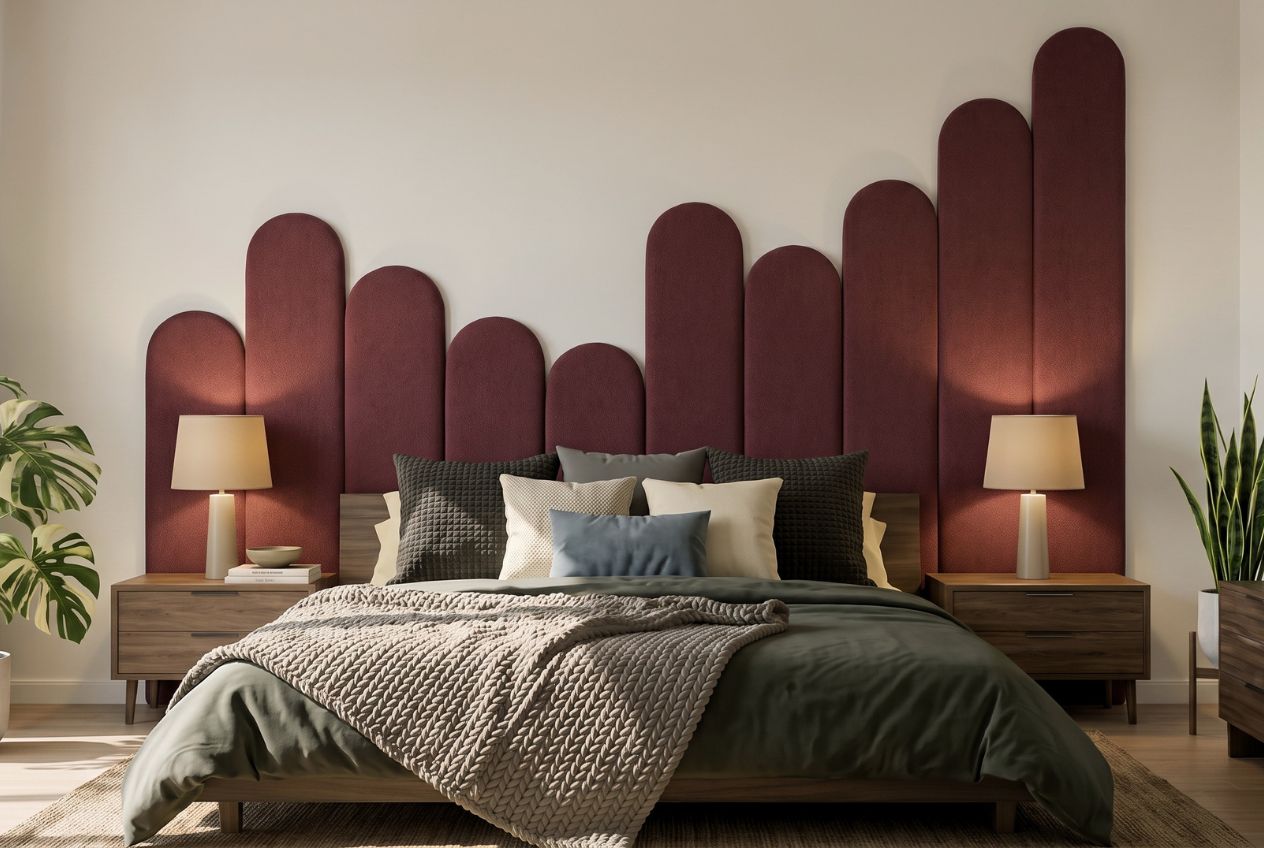
Liftedplus curates furniture, lighting, and wall art with the same criteria that define collectible design: clear authorship, considered form, and pieces produced in deliberately small quantities. Each seasonal collection is built around a grounded colour palette and sculptural presence, with the kind of material specificity that gives a room genuine character rather than surface polish.
If you are ready to move beyond generic decor and bring something with real presence into your home, the Liftedplus range offers a starting point. Explore how personalised decor shapes mood and find the pieces that give your space a point of view. For those drawn to colour and artistic impact, the vibrant decor ideas guide is a strong next step.
FAQ
What is limited edition furniture?
Limited edition furniture is furniture produced in a deliberately small, numbered run by a named designer, accompanied by a certificate of authenticity. It is defined by three criteria: authorship, intentionality, and rarity.
How does limited edition furniture differ from bespoke furniture?
Bespoke furniture is a singular commission, unique by definition. Limited edition furniture is produced in a small numbered series, sharing authorship and design intent across each piece in the run.
Does a certificate of authenticity really affect value?
Without certification specifying the edition number and maker’s identity, the value of a limited edition piece can drop by 50% or more, regardless of its physical quality.
Where should I buy limited edition furniture?
Genuine limited edition furniture is sold through galleries, specialist design fairs, and auction houses. These channels provide provenance documentation and market validation that general furniture retailers cannot.
Can limited edition furniture appreciate in value?
Objects with strong authorship and limited production can appreciate over time in the same way works of art do, particularly when supported by a certificate of authenticity and a recognised designer’s reputation.
Recommended
- How To Decorate With Limited Edition Art – Lifted+ | More Colour. More Mood. More Life.
- Limited Edition Art Drops For Home Collectors – Lifted+ | More Colour. More Mood. More Life.
- Collector Art Drops Vs Open Editions – Lifted+ | More Colour. More Mood. More Life.
- How To Buy Limited Edition Art Prints NZ – Lifted+ | More Colour. More Mood. More Life.