

TL;DR:
- Art adds psychological benefits and enhances the restorative qualities of living spaces.
- Choosing art early and building decor around it creates more cohesive and authentic homes.
- Proper placement, scale, and personal resonance are crucial for impactful art integration.
Most homeowners treat art as the final flourish, something chosen after the sofa is placed and the walls are painted. But this sequence quietly limits what a space can become. Rooms with art are measurably more restorative than those without it, with studied preferences for Impressionist and Romantic works in modern interiors. Art is not a finishing touch. It is a foundation. This guide will show you how to use art as a core element in your home’s design, drawing on evidence, expert insight, and practical advice to help you create spaces that feel genuinely alive.
Table of Contents
- Why art is more than decoration in modern homes
- Choosing the right art: style, size and personal resonance
- Integrating art with modern decor: greenery, furniture, and layout
- Common mistakes and expert tips for impactful art integration
- Why building your space around art is a future-forward move
- Bring your vision to life with distinctive art
- Frequently asked questions
Key Takeaways
| Point | Details |
|---|---|
| Art elevates wellbeing | Homes with art are proven to be more restorative and positively impact your mood. |
| Personal resonance matters | Art that connects with you personally creates more vibrant and authentic interiors than following trends. |
| Design around art | Building a space around your favourite artwork leads to more impactful and lasting design. |
| Integrate thoughtfully | Pair art with modern furniture and greenery for a dynamic, cohesive look. |
Why art is more than decoration in modern homes
There is a persistent idea that art belongs at the end of the design process. You furnish the room, you paint the walls, and then, if the budget allows, you hang something. This approach produces spaces that feel complete on paper but somehow flat in person. The room is finished, yet it does not hold you.
Science is now confirming what perceptive designers have long understood. Empirical data shows that rooms with art register higher restorativeness and positive affect in measurable neurological terms. Art does not merely look good. It changes how a space feels to inhabit.
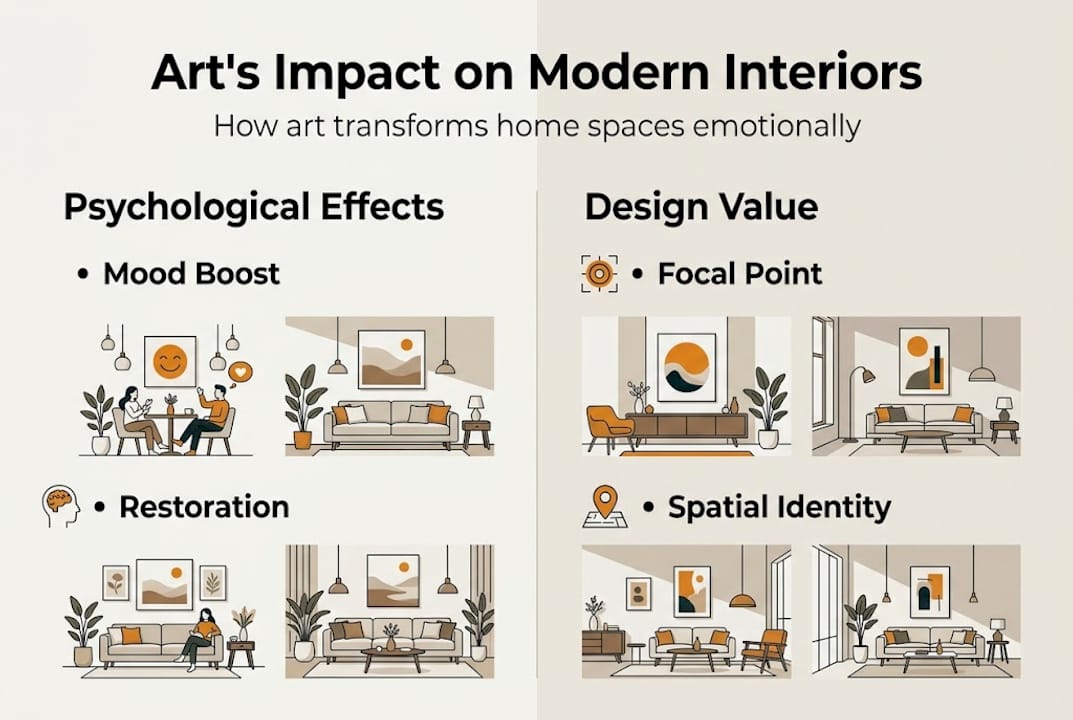
Beyond restoration, art elevates sterile spaces by providing focal points that anchor attention and generate genuine psychological mood boosts. A room without a considered focal point asks nothing of you. A room with the right piece pulls you in, gives you somewhere to land, and quietly lifts your energy.
The psychological benefits worth understanding include:
Restoration: Art, particularly figurative and landscape works, activates the same mental recovery response as time spent in nature.
Positive affect: Exposure to art you find personally meaningful raises baseline mood, even in brief daily encounters.
Spatial identity: Art communicates who lives in a space, giving rooms a sense of character that furniture alone cannot deliver.
Two misconceptions persist here. The first is that art is only for luxury homes. The second is that it must wait until everything else is settled. Both ideas cost you. Explore best statement wall art options early in your process and you will find that even a single considered piece can reframe an entire room. For those working with architectural spaces, wall art for modern architectural spaces demonstrates how art can hold and define a room at scale.
The homes that feel most alive are rarely the most expensive. They are the ones where art was given a genuine role.
Choosing the right art: style, size and personal resonance
Knowing that art matters is one thing. Knowing which art to choose is another. The temptation is to default to what looks safe or what matches the sofa. But safety in art selection tends to produce rooms that feel curated for a catalogue rather than lived in by a person.
Personal resonance trumps trends. The piece you feel something in front of will outlast any colour trend or seasonal style shift. This is not a romantic idea. It is practical advice from designers who have watched clients tire of trend-driven purchases within a few years while remaining attached to the pieces they chose instinctively.
Size and scale matter enormously. A piece that is too small for its wall disappears. One that is too large can overwhelm a room’s proportions. The general principle is to aim for art that occupies roughly two thirds of the wall width it anchors. In rooms with high ceilings, consider going larger than feels comfortable at first. Scale creates presence.
Colour and subject should respond to the room’s function. A bedroom calls for something quieter and more contemplative. A living room can carry bolder energy. A study benefits from work that rewards sustained looking.
| Feature | Mass-produced art | Unique or original art |
|---|---|---|
| Impact on ambience | Neutral, predictable | Distinctive, memorable |
| Resale value | Minimal | Can appreciate over time |
| Authenticity | Low | High |
| Emotional value | Fades quickly | Deepens over time |
New Zealand galleries frequently allow you to trial art at home before committing. This is one of the most underused advantages available to local buyers. Take the piece home, live with it for a few days, and see how it changes the room. Browse statement wall art ideas to build your visual vocabulary before you visit, and consider choosing bold art that anchors a room rather than merely decorates it. For those exploring different mediums, unique wall art types offers a useful starting point.
Pro Tip: Collect art over time rather than purchasing everything at once. A room that accumulates meaningful pieces gradually has a layered quality that no single shopping session can replicate.
Integrating art with modern decor: greenery, furniture, and layout
Choosing the right art is only half the work. How you integrate it with the rest of your space determines whether it sings or simply sits there.
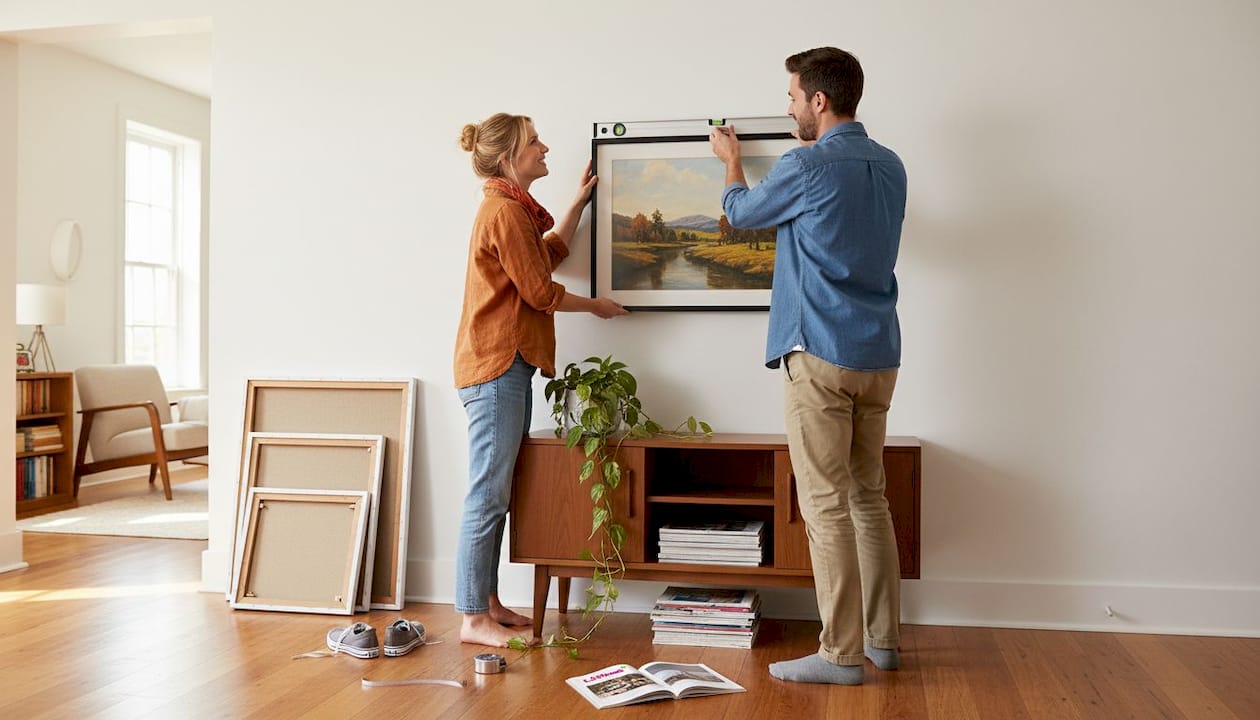
Greenery and art share a powerful relationship in modern interiors. Both introduce organic form into spaces that can otherwise feel rigid. Pairing a landscape or botanical work with living plants creates a visual conversation between the represented and the real. Impressionist and Romantic paintings are preferred in modern interiors, particularly when combined with greenery and natural materials.
Furniture form also plays a role. Curved forms generate more positive responses overall than angular shapes, which means pairing softer furniture silhouettes with expressive art tends to produce warmer, more welcoming results. Angular furniture can work beautifully with bold geometric or abstract works, where the tension between the two creates energy rather than conflict.
| Art style | Decor pairing | Effect |
|---|---|---|
| Impressionist | Curved furniture, plants, warm textiles | Soft, restorative, inviting |
| Romantic | Natural materials, warm lighting | Emotionally rich, grounded |
| Abstract | Angular furniture, minimal accessories | Dynamic, contemporary |
Here is a practical sequence for integrating art with your space:
1. Choose your art first and identify its dominant colours, mood, and scale.
2. Select furniture that responds to the art’s energy rather than competing with it.
3. Introduce greenery at floor level or on shelving to soften the transition between art and room.
4. Consider lighting that illuminates the piece without creating glare or flat wash.
5. In open-plan layouts, use large-scale wall art to define functional zones visually, letting art do the work that walls cannot.
Building décor around art rather than treating it as an afterthought produces spaces with genuine coherence. For those working in smaller footprints, wall art ideas for apartments offers scaled solutions that still carry real presence.
Common mistakes and expert tips for impactful art integration
Even with the best intentions, art placement goes wrong in predictable ways. Recognising these patterns early saves you from rooms that feel almost right but never quite land.
The most common mistakes include:
Hanging art too high: The centre of a piece should sit at roughly eye level, around 145 to 150 centimetres from the floor. Hanging higher creates a visual disconnect between the art and the room.
Ignoring art during initial design: When art is left until the end, it competes with choices already made rather than informing them.
Mismatched scale: Small art on large walls reads as an afterthought. Oversized art in a compact room can feel oppressive.
Generic selections: Mass-produced prints chosen for colour matching rather than personal meaning produce rooms that feel assembled rather than inhabited.
Treating art as a single purchase: A room’s relationship with art should evolve. Buying one piece and considering the job done misses the layering that makes spaces feel genuinely rich.
Art’s mood-lifting potential is only fully realised through thoughtful selection and placement. Colour alone is not enough. The piece must be the right scale, in the right position, and chosen for the right reasons.
Building décor around art from the outset is the single most effective shift you can make. Many homeowners overlook this sequence entirely, furnishing first and then struggling to find art that fits what they have already committed to.
Pro Tip: If you are uncertain about a piece, use the trial option offered by many New Zealand galleries. Living with art for even three days will tell you more than any amount of time spent looking at it in a gallery.
For those ready to move beyond the traditional gallery wall, gallery wall alternatives offers fresh approaches. And if you want a broader framework for pulling it all together, the guide to timeless vibrant interiors is worth your time.
Why building your space around art is a future-forward move
Conventional design advice follows a familiar sequence: choose your furniture, settle your palette, then add art. It sounds logical. In practice, it produces rooms that feel like sets rather than homes.
We would argue the opposite approach is not just valid but genuinely superior. NZ experts recommend buying art first and building décor around it, a sequence that runs counter to how most people shop but consistently produces more memorable, authentic results.
When you choose art first, you are choosing a mood, a palette, and a spatial energy before any furniture commitment locks you in. The art becomes the room’s centre of gravity. Everything else orbits it. The result is a space with genuine coherence, where the sofa, the lighting, and the textiles all feel like they belong to the same conversation.
Homes designed this way tend to age better too. Furniture trends shift. Art, chosen for personal resonance rather than seasonal relevance, holds its meaning. If you want spaces that feel alive in five years as much as they do today, consider limited edition art for collectors as an investment in both beauty and longevity. The bravest design decision you can make is to let a single, extraordinary piece set the terms for everything else.
Bring your vision to life with distinctive art
If this guide has shifted how you think about art’s role in your home, the next step is finding pieces that genuinely move you. At Lifted+, we curate wall art, lighting, and statement decor with exactly this in mind: form, presence, and lasting impact over fleeting trends.
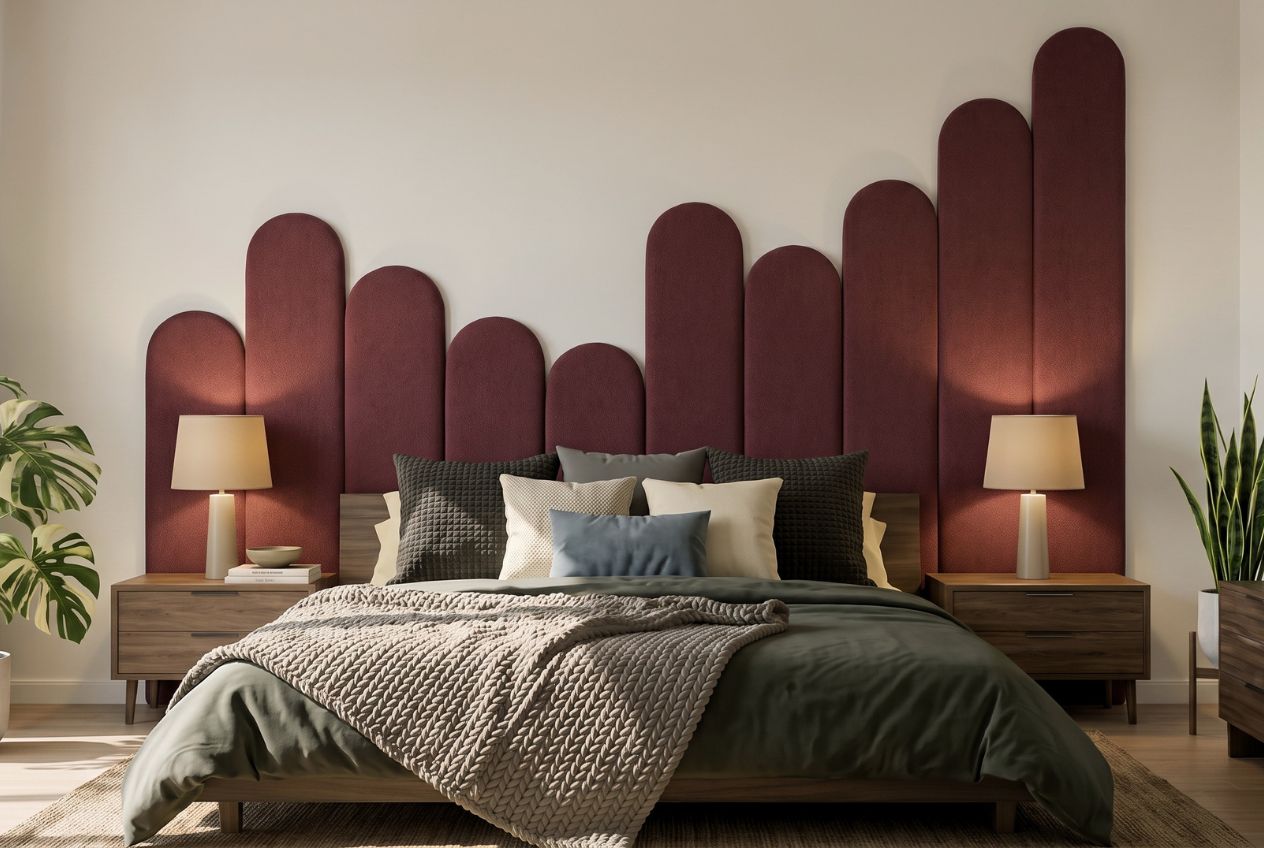
Browse unique wall art to discover pieces that can anchor your space from the ground up. For something rarer, our limited edition art collection offers works that bring authenticity and collectible value into your home. And if you want to understand how decor shapes the emotional tone of a space, our decor and mood guide is a thoughtful place to start. Your home deserves more than decoration. It deserves art with a point of view.
Frequently asked questions
How does art impact mood and wellbeing at home?
Rooms with art show measurably higher restorativeness and positive affect, meaning art actively improves how a space feels to live in, not just how it looks.
What types of art work best in modern New Zealand homes?
Impressionist and Romantic works are preferred in modern interiors, particularly when paired with greenery, natural materials, and curved furniture forms.
Is it better to buy art before or after furnishing a space?
Experts suggest buying art first and building your decor around it, as this produces more coherent, emotionally resonant spaces than the conventional furnish-first approach.
How can I test if art fits my home before buying?
Many New Zealand galleries offer trials where you can take a piece home and live with it before committing, which is the most reliable way to judge whether a work truly belongs in your space.