
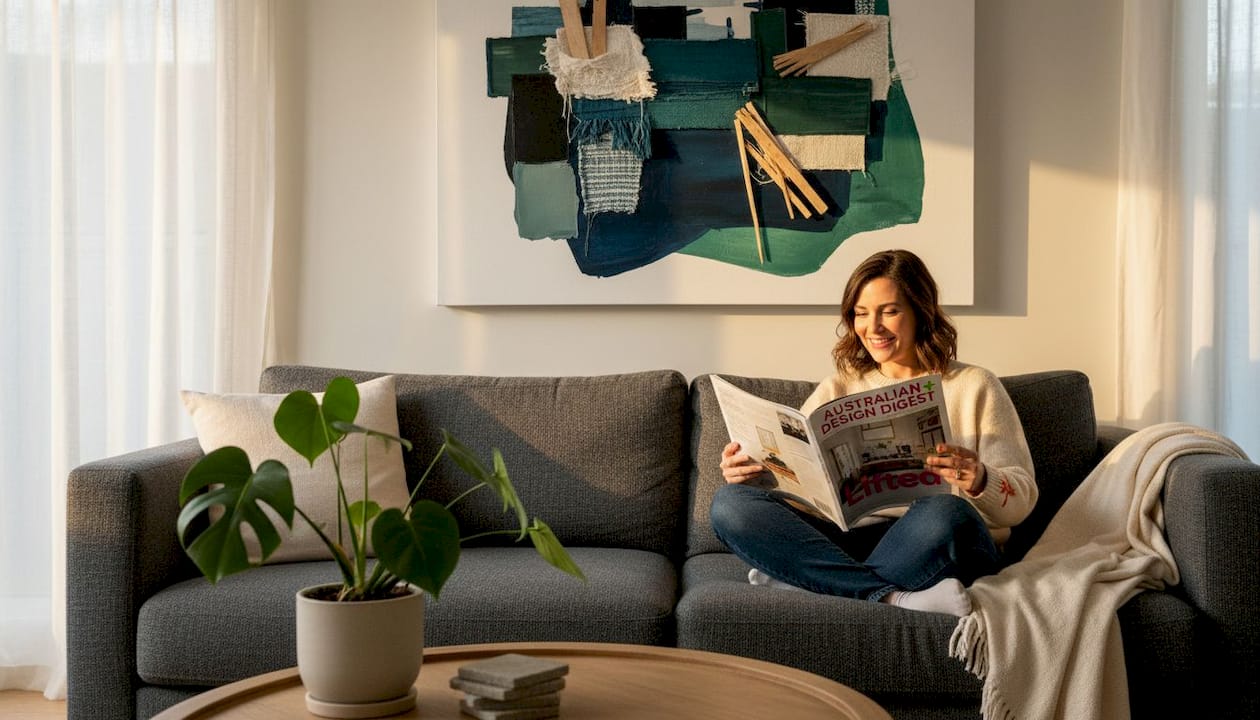
TL;DR:
- Mixed media wall art combines various materials to create tactile, layered, and multi-dimensional pieces.
- Proper selection, staging, and maintenance ensure mixed media art enhances and endures in New Zealand homes.
- This art form reflects personal stories and natural local influences, redefining interior design depth and meaning.
Wall art doesn’t have to be a single canvas hanging quietly above a sofa. The most compelling interiors today are shaped by pieces that carry weight, texture, and story all at once. Mixed media wall art brings all of this together, combining materials and techniques in ways that feel genuinely alive on the wall. Whether you’re drawn to the sculptural presence of layered fabric and paint or the quiet tension of collage meeting photography, this form of art has the power to pull a room out of the ordinary. Here’s what you need to know about choosing, displaying, and caring for mixed media wall art in your New Zealand home.
Table of Contents
- Understanding mixed media wall art
- Core techniques and expert methodology
- Selecting mixed media wall art for modern New Zealand homes
- Displaying and caring for mixed media wall art
- A fresh perspective: Why mixed media wall art is redefining New Zealand interiors
- Explore mixed media wall art and decor for your space
- Frequently asked questions
Key Takeaways
| Point | Details |
|---|---|
| Mixed media defined | Mixed media wall art combines various materials like paint, collage, fabric, and sculpture for unique visual impact. |
| Technique essentials | Successful mixed media art relies on layering, archival materials, and mindful material compatibility. |
| Personalised style | Selecting and arranging mixed media pieces allows you to curate a personal narrative in your home. |
| Maintenance matters | Durability is maximised by using UV protection, sturdy mounts, and avoiding incompatible materials. |
Understanding mixed media wall art
At its core, mixed media wall art incorporates multiple artistic media or materials within a single work. That might mean paint layered over photographic prints, fabric embedded into a canvas, or found objects assembled into a sculptural composition. The result is something that occupies space differently from a traditional painting. It has presence. It invites you closer.
The origins of this approach stretch back to the early 20th century. Dada and Cubism pioneered rule-breaking experimentation that challenged what art could be made from and what it was allowed to say. Artists like Picasso and Hannah Höch introduced collage and assemblage into fine art, dismantling the idea that a single medium was sufficient. That spirit of creative freedom is exactly what defines mixed media today.
For a broader sense of how unique wall art types have evolved alongside interior design, it helps to understand what separates mixed media from its more traditional counterparts.
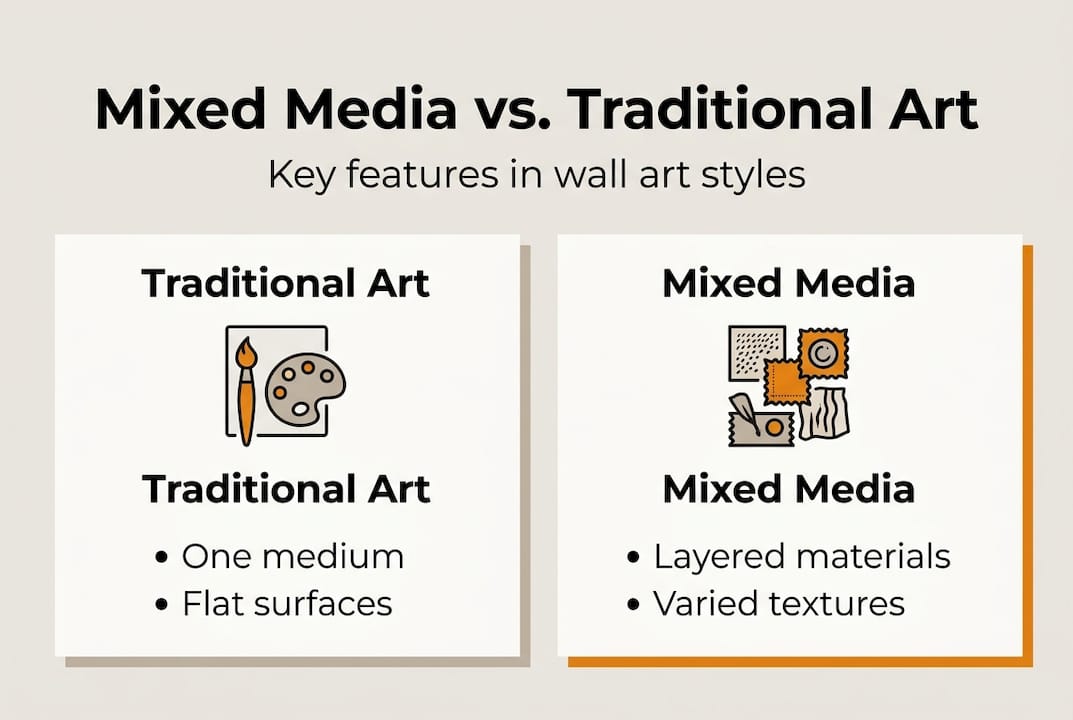
| Feature | Traditional art | Mixed media art |
|---|---|---|
| Materials | Single medium (oil, watercolour) | Multiple combined materials |
| Texture | Mostly flat or lightly textured | Deeply tactile and layered |
| Depth | Visual depth only | Physical and visual depth |
| Versatility | Style-specific | Adapts across interior styles |
| Narrative | Singular perspective | Layered, multi-dimensional story |
Common material combinations include fabric and paint, digital prints with sculptural elements, photography layered with collage, and canvas with found natural objects. Each pairing creates a different sensory experience, which is precisely why mixed media resonates so strongly in contemporary homes.
As one insight from mixed media definition research makes clear, gallery walls that mix mediums create personal narratives far more effectively than uniform displays. The variety of materials speaks to a life fully lived, not a room styled for a catalogue.
Core techniques and expert methodology
Equipped with a foundational knowledge of mixed media, you’re ready to learn exactly how these works of art come together. The core methodologies include layering materials for depth, collage, assemblage, texture building, and glazing. Each technique produces a distinct visual and tactile outcome.
| Technique | Example materials | Outcome |
|---|---|---|
| Collage | Paper, fabric, printed imagery | Tactile surface interest |
| Assemblage | Found objects, wood, metal | Sculptural, three-dimensional form |
| Layering | Paint, gesso, resin, ink | Depth and luminosity |
| Digital integration | Printed photography, inkjet | Precision and contemporary edge |
| Glazing | Transparent paint washes | Colour richness and warmth |
When building a mixed media piece, the sequence of layering matters enormously. A step-by-step guide to creating mixed media art outlines the following order:
- Begin with a primed, stable base such as canvas or board sealed with gesso.
- Apply the foundational layer, typically paint or a background wash.
- Introduce collage elements, pressing them firmly with archival adhesive.
- Build texture with additional paint, fabric, or found materials.
- Seal each completed layer before adding the next to prevent chemical reactions.
- Finish with UV varnish to protect the surface from light and moisture.
For homes in New Zealand, climate considerations are genuinely important. Humidity levels vary across regions, and coastal environments introduce salt air that can degrade certain materials over time. Archival adhesives, acid-free papers, and UV-protective varnish are not optional extras here. They are the difference between a piece that lasts decades and one that deteriorates within years.
Pro Tip: Always test how your chosen materials interact before assembling the final piece. Some adhesives react poorly with oil-based paints, and certain papers can yellow when exposed to moisture. A small test panel saves significant heartache.
Balancing visual weight and rhythm is the other essential skill. Heavier, darker elements anchor a composition, while lighter textures and colours lift it. The best mixed media works feel resolved, not chaotic, even when they contain many different materials. If you’re considering gallery wall alternatives or working with apartment wall art ideas, understanding this rhythm helps you choose pieces that feel intentional rather than accidental.
Selecting mixed media wall art for modern New Zealand homes
Once you understand the artistic process, it’s crucial to select pieces that actually enhance your home decor. The right mixed media work doesn’t just fill a wall. It holds the room, anchoring the space with colour, texture, and meaning.
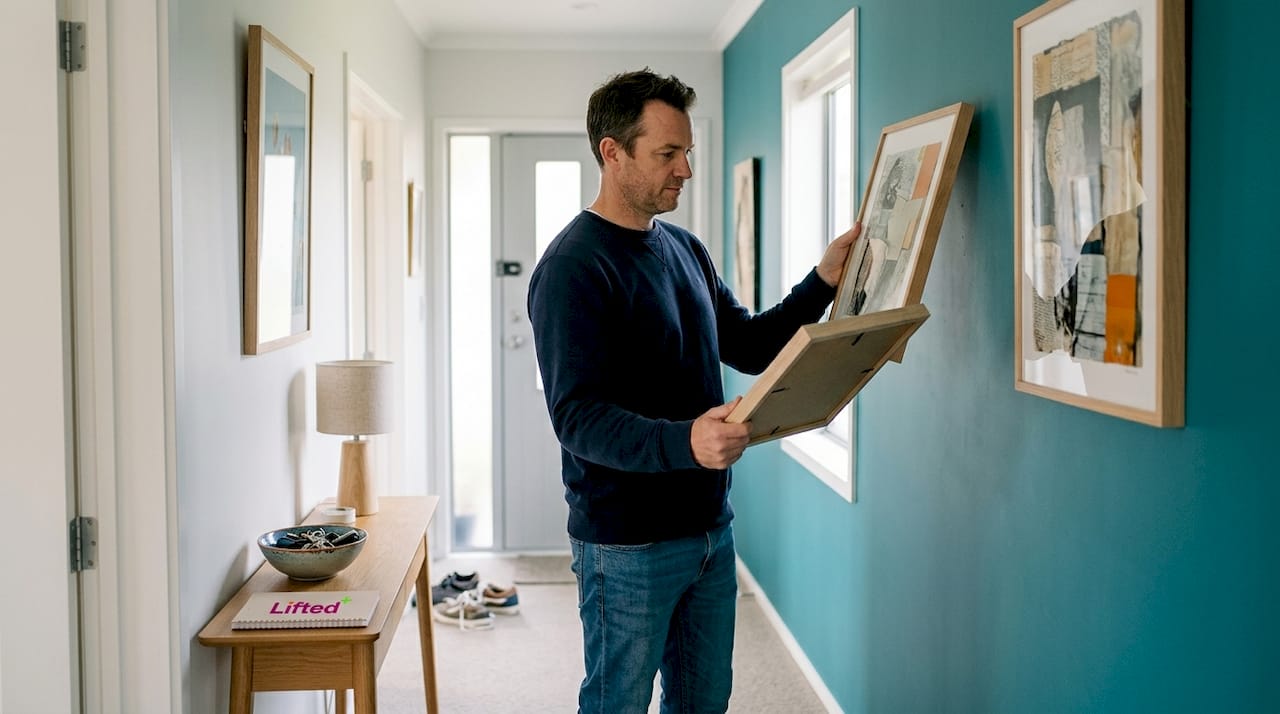
Gallery walls are shifting from uniform to eclectic curation, with homeowners increasingly prioritising personal narrative over matching frames and identical finishes. Mixed media sits naturally within this shift. A single statement piece combining resin, photography, and paint can do more for a living room than a row of identically framed prints.
When choosing mixed media art for your home, consider the following:
- Scale and proportion: A piece that’s too small for a wall disappears. Measure your wall and choose art that commands the space without overwhelming it. Our guide to choosing art size offers practical starting points.
- Colour palette: Mixed media works often carry complex colour stories. Identify the dominant tones and ensure they speak to your existing furnishings rather than competing with them.
- Material compatibility: Consider how the materials in the artwork interact with your room’s surfaces. Rough, tactile textures work beautifully against smooth walls and polished floors.
- Personal resonance: The strongest mixed media pieces carry a narrative. Choose work that means something to you, not just something that matches your sofa.
- Lighting interaction: Layered surfaces catch light differently throughout the day. Position sculptural or textured pieces where natural or accent lighting can reveal their depth.
It’s worth noting that quality mixed media paintings in New Zealand sell for $3,000 NZD or more, reflecting both the skill involved and the material investment. For those seeking statement wall art or pieces suited to double height walls, mixed media offers scale and presence that few other art forms can match.
Pro Tip: When building a gallery arrangement, lay all your pieces on the floor first. Step back and assess the visual rhythm before a single nail goes into the wall. Adjust spacing until the grouping feels balanced and intentional.
For more wall art ideas suited to modern interiors, thinking about mood is just as important as thinking about style. Warm earthy tones in layered media create a grounded, enveloping atmosphere. Cool, graphic combinations feel crisp and energising. Let the room’s purpose guide you.
Displaying and caring for mixed media wall art
With your selection made, follow these expert tips to ensure your mixed media art remains a lasting highlight in your home. The physicality of mixed media works means hanging and maintenance require more thought than a standard framed print.
For sculptural or heavily layered pieces, standard picture hooks are rarely sufficient. Use wall anchors rated for the piece’s weight, and consider D-ring fixings or French cleats for larger works. Modern architectural wall art often benefits from a floating mount that allows the piece to sit away from the wall, enhancing its three-dimensional quality.
To hang and arrange a gallery wall of mixed media works, follow this sequence:
- Measure and mark the wall’s centre point before placing any pieces.
- Lay the arrangement on the floor to finalise spacing and composition.
- Use paper templates taped to the wall to visualise placement before drilling.
- Install the heaviest pieces first, then build the arrangement around them.
- Step back frequently to assess balance and adjust as needed.
For ongoing care, incompatible media combinations such as oil applied over acrylic, or heavy objects without adequate support, are common causes of deterioration. Digital hybrid works need UV varnish to prevent colour fading. These aren’t minor details. They determine how your art ages.
Maintenance essentials include:
- Dusting: Use a soft, dry brush or microfibre cloth. Never use water or cleaning sprays directly on mixed media surfaces.
- UV protection: Hang pieces away from direct sunlight, or use UV-filtering glass if the work is framed.
- Humidity control: In coastal or humid environments, archival materials are essential for NZ’s variable climate. Consider a dehumidifier in rooms prone to moisture.
- Inspection: Check adhesive edges and layered elements annually for any signs of lifting or cracking.
“Test material interactions to avoid degradation. Not all materials are chemically compatible, and the wrong combination can cause irreversible damage over time.” — Artfull Journey
A fresh perspective: Why mixed media wall art is redefining New Zealand interiors
There’s a tendency in interior design to treat wall art as the final step, the thing you add once everything else is settled. We’d argue that’s exactly backwards. The most compelling rooms we encounter are built around the art, not decorated around it.
Mixed media wall art forces a different kind of decision-making. You can’t just match it to a colour swatch. It asks something of the room and of the person choosing it. That friction is valuable. It pushes you toward spaces that feel genuinely personal rather than assembled from a showroom floor.
Kiwi homes have a particular opportunity here. The textures, tones, and materials found in New Zealand landscapes, stone, timber, earth, water, translate beautifully into mixed media works. Choosing art that carries those references doesn’t just decorate a wall. It connects a home to its place.
Uniformity in gallery walls is fading for a reason. People want their homes to tell a story, and a row of matching prints doesn’t do that. Unique wall art for NZ homes that layers materials, techniques, and meaning creates something that grows richer over time. That’s not a trend. That’s a legacy.
Explore mixed media wall art and decor for your space
Ready to bring layered creativity into your home? At Lifted+, we curate mixed media wall art that balances artistic depth with the grounded colour palettes that work beautifully in modern New Zealand interiors.

From sculptural statement pieces to limited edition wall art that won’t appear in every other home on the street, our collection is built around presence and longevity. If you’re ready to move beyond the predictable and invest in art that genuinely holds your room, explore our range and let our personalised decor guide help you find the pieces that speak to your space.
Frequently asked questions
What materials are commonly used in mixed media wall art?
Mixed media wall art incorporates multiple artistic media or materials, including canvas, paint, fabric, wood, digital prints, and found objects, often layered together for texture and depth.
How can I ensure mixed media wall art lasts in New Zealand’s climate?
Use archival materials suited to NZ’s variable climate, including UV varnish and acid-free adhesives, and avoid positioning pieces in areas exposed to direct sunlight or high moisture.
Can I create mixed media wall art myself?
Yes, and it’s a rewarding process. Start with a primed canvas base, layer collage and paint methodically, and always test material interactions before committing to the final assembly.
What is the typical price for mixed media wall art in New Zealand?
Quality mixed media paintings in the New Zealand market sell for $3,000 NZD or higher, reflecting the skill, time, and materials involved in their creation.
Recommended
- How To Choose Art For Double Height Walls – Lifted+ | More Colour. More Mood. More Life.
- How Statement Wall Art Changes A Room – Lifted+ | More Colour. More Mood. More Life.
- Wall Art That Holds A Modern Architectural Room – Lifted+ | More Colour. More Mood. More Life.
- 5 Unique Types Of Wall Art For Modern Homes In NZ