

TL;DR:
- A curated art wall adds personality, depth, and visual cohesion to a room.
- Proper planning includes choosing the right wall, defining aesthetic goals, and measuring carefully.
- Regular updates and adjustments keep the art wall fresh and reflective of your evolving taste.
A blank wall can feel like an accusation. It sits there, pale and patient, quietly asking what you stand for aesthetically. But that same wall is also an invitation, one of the most personal design opportunities in your home. A curated art wall does more than fill space. It holds a room, tells your story, and pulls together colour, texture, and feeling in a way that no single piece of furniture can. Whether you’re working with a generous living area or a narrow hallway in your New Zealand home, this guide walks you through every step, from the first decision to the final nail.
Table of Contents
- What to consider before starting your art wall
- Gathering your art: What works and what doesn’t
- Arranging your layout: Balancing cohesion and creativity
- Hanging and caring for your art wall
- Our take: Why your art wall should always evolve
- Ready to transform your space? Let us help
- Frequently asked questions
Key Takeaways
| Point | Details |
|---|---|
| Preparation is key | Clearly define your wall’s purpose and plan your approach before gathering pieces. |
| Curate with cohesion | Choose a unifying element for a display that feels intentional, not cluttered. |
| Layout matters | Experiment with arrangements on the floor or template before committing to the wall. |
| Safe installation | Use the right hardware and check stability to keep your works and walls protected. |
| Refresh regularly | Update your art wall often to reflect your evolving style and inspirations. |
What to consider before starting your art wall
Having identified the value of a curated display, you’ll want to prepare by making some key decisions before hammering the first nail. Rushing this stage is the most common mistake, and it’s the one that leads to regret.
Start by choosing the right wall. Feature walls behind a sofa or bed are natural anchors. Hallways offer a linear canvas that rewards sequential storytelling. Living areas can carry larger, more complex arrangements, while bedrooms often call for something quieter and more intimate. Think about where your eye lands first when you enter a room. That is usually your best candidate.
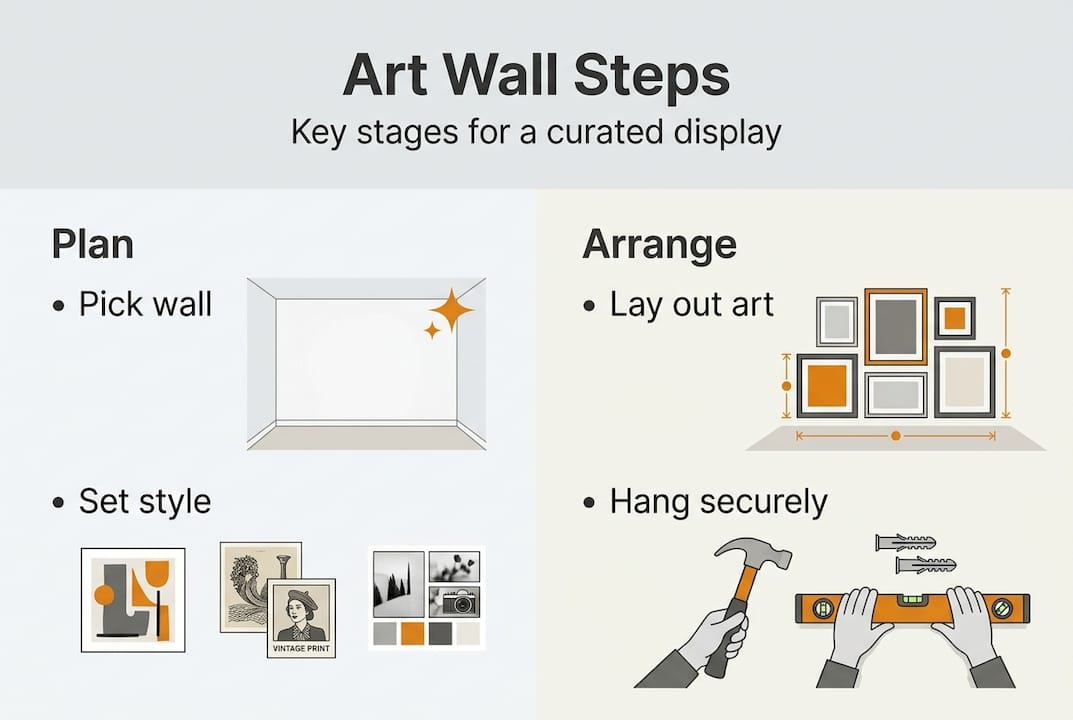
Next, define your aesthetic direction. Are you drawn to moody, autumnal tones? Clean geometric forms? A mix of photography and original painting? Knowing your mood before you shop saves time and money. As a guide, choosing art size well means considering scale, colour, and room lighting together, not in isolation.
Take measurements seriously. Note the full width and height of your wall, the position of major furniture, and where natural light falls at different times of day. Light dramatically affects how colour reads, and a piece that glows warmly in afternoon sun may look flat under evening downlights. For rooms with dramatic vertical space, art for double height walls requires a different approach entirely.
Finally, set a realistic budget. Original works, quality prints, and framing all carry different price points. Knowing your range early keeps your vision grounded.
| Budget range | What it typically covers |
|---|---|
| Under $300 | Prints, basic frames, adhesive strips |
| $300 to $800 | Mixed prints and original small works |
| $800 and above | Original pieces, custom framing, lighting |
Pro Tip: Choose one anchor piece first, something with strong presence and colour, then build your remaining selections around it. This gives your wall a clear focal point and prevents the scattered feeling that comes from assembling art without hierarchy.
If a traditional gallery arrangement doesn’t feel right for your space, exploring gallery wall alternatives can open up genuinely fresh possibilities.
Gathering your art: What works and what doesn’t
Once you’ve planned your approach, it’s time to gather pieces that fit your vision and space. This is where the process becomes genuinely exciting, but also where the most common missteps occur.
Art walls work best when they include variety. Paintings, prints, photographs, sculptural objects, and mirrors all bring different textures and depths to a display. A wall composed entirely of identically sized prints can feel rigid. Introduce one oversized piece, a small mirror, or a three-dimensional object and the whole arrangement begins to breathe.
Thematic cohesion is what separates a curated wall from a cluttered one. You don’t need every piece to share a subject, but they should share something: a colour family, a mood, a material quality, or an era. Warm terracotta tones can link a botanical print to an abstract painting to a ceramic wall hanging without any of them feeling forced together. Mixing media and varying frame styles can add genuine interest without appearing chaotic, provided that unifying thread holds.
Framing deserves its own consideration. Matching frames create order and calm. Contrasting frames, when chosen deliberately, add energy and personality. No frames at all, with canvas wraps or unframed prints, suits more relaxed, contemporary spaces. The key word is deliberate. Accidental inconsistency reads as unfinished. Intentional variety reads as confident.
| Framing approach | Best suited to |
|---|---|
| Matching frames | Minimal, formal, or Scandi-inspired spaces |
| Mixed frames | Eclectic, maximalist, or collected aesthetics |
| No frames | Contemporary, relaxed, or studio-style rooms |
For smaller homes or rentals, apartment wall art ideas offer practical approaches that work within constraints. And if you’re after pieces with real presence, best wall art for modern interiors is worth exploring for inspiration.
Pro Tip: Before committing to a single nail, lay all your pieces on the floor in the rough arrangement you’re imagining. Step back. Photograph it. This floor test reveals imbalances and gaps that are far easier to fix at ground level than at wall height.
Arranging your layout: Balancing cohesion and creativity
With your art pieces assembled, it’s time to visualise how they’ll interact on your chosen wall. Layout is where the real design thinking happens, and there are several proven frameworks to draw from.
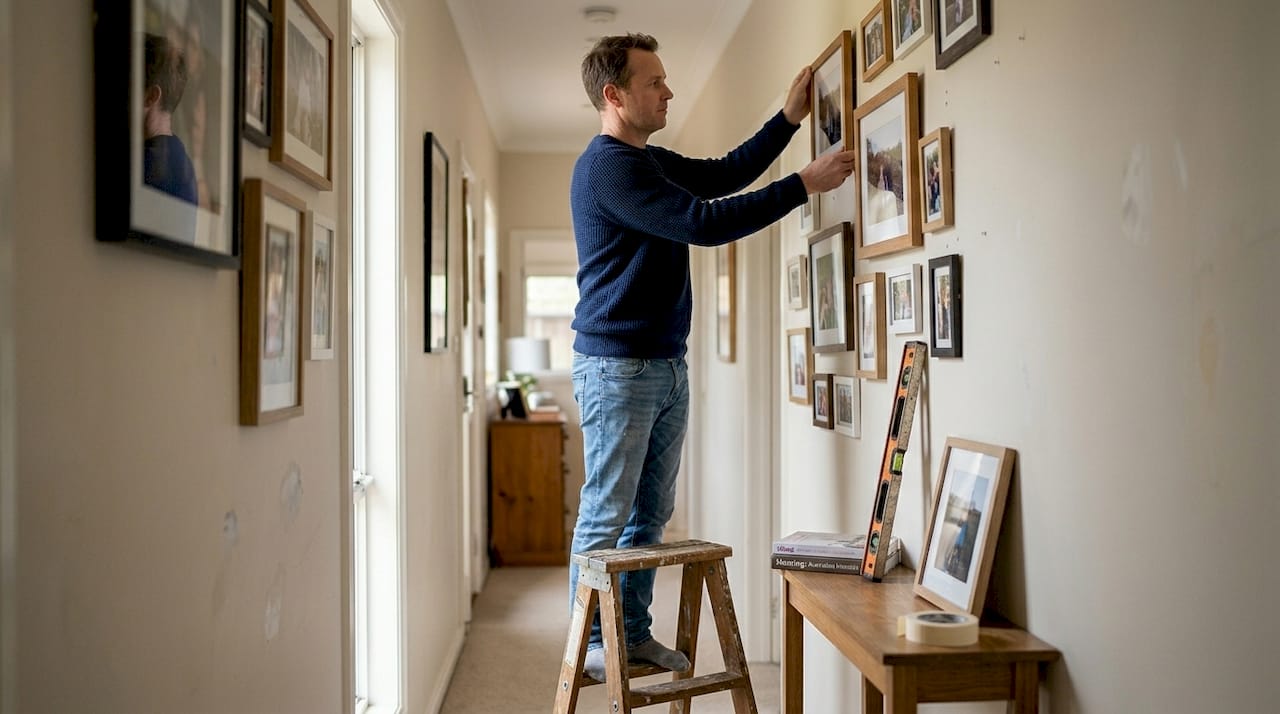
The most common approaches are the grid, the linear hang, the organic or freeform arrangement, and the salon hang. A grid suits formal spaces and creates a composed, architectural feeling. A linear hang works beautifully along hallways or above a long console. The organic arrangement allows for more spontaneous energy, with pieces clustered by feeling rather than geometry. The salon hang, dense and layered, suits high-ceilinged rooms and collectors who want maximum impact. Grid, organic, and salon hangs are all popular frameworks, and your choice should reflect both the room’s architecture and your own temperament.
Here is a practical sequence to follow:
- Choose your layout style based on wall shape and room mood.
- Cut paper templates to match each piece and tape them to the wall.
- Step back and assess the arrangement from your main viewing position.
- Adjust spacing and balance before making any permanent marks.
- Mark hanging points lightly in pencil once you’re satisfied.
Spacing matters more than most people realise. The standard recommendation is 5 to 8 centimetres between pieces, tight enough to read as a cohesive group but loose enough for each work to breathe. Too much space and the arrangement fragments. Too little and it crowds.
| Layout style | Ideal wall type | Mood created |
|---|---|---|
| Grid | Square or rectangular walls | Ordered, calm, architectural |
| Salon hang | Large feature walls | Layered, collected, dramatic |
| Linear | Hallways, above furniture | Flowing, narrative, elegant |
| Organic | Any wall | Relaxed, personal, expressive |
Most designers recommend hanging the centre of your main piece at approximately 145cm from the floor, which aligns with average eye level and creates a natural, comfortable viewing experience. For rooms with unusually high ceilings, consider large-scale wall art to maintain visual proportion.
Hanging and caring for your art wall
Now that your arrangement is set, you’re ready to bring your art wall to life and ensure it’s secure and lasting. Installation is the step where patience pays off most.
Begin by preparing the wall surface. Wipe it down to remove dust and oils, which can affect adhesive products and make pencil marks harder to read. Mark your hanging points lightly, using your paper templates as a guide. A spirit level is non-negotiable. Even a slight tilt reads as careless once a piece is up.
Choose your hardware carefully. Picture hooks and nails suit most standard prints and framed works. For heavier pieces, wall anchors and the right hardware are essential for stability and safety, particularly in plasterboard walls common in New Zealand homes. Adhesive strips work well for lighter pieces in rental properties, but check weight limits carefully.
For large or heavy works, always use two people. One person holds and positions while the other checks level and marks placement. It takes twice the time and half the frustration.
Follow this sequence for a clean installation:
- Fix all hardware to the wall before hanging any pieces.
- Start with your anchor piece and work outward.
- Check level after each addition.
- Step back regularly to assess the overall composition.
- Make small adjustments before moving on to the next piece.
A well-hung art wall should look effortless. The effort is what happens before the first piece goes up.
For long-term care, keep direct sunlight off your pieces where possible, as UV exposure fades pigments over time. Dust frames gently with a soft cloth rather than sprays. Rotate pieces occasionally to prevent uneven fading.
Pro Tip: Keep a small kit of spare hooks, nails, and adhesive strips nearby. Art walls evolve, and having the right hardware on hand means you can swap or add pieces without a trip to the hardware store.
Our take: Why your art wall should always evolve
There’s a quiet pressure that comes with finishing a room. The instinct is to declare it done, to stop adjusting and simply enjoy. We understand that impulse. But with art walls, we’d gently push back.
The walls that feel most alive are the ones that have changed. A piece added after a trip. A print swapped out when the seasons shifted. A photograph moved to make room for something that spoke to you unexpectedly. This is not indecision. It is how art shapes interiors in the deepest sense, by reflecting who you are right now, not just who you were when you first moved in.
Trends will come and go. Your taste will sharpen and shift. The art wall that felt complete in autumn may need a new voice by the time winter light changes the room’s character entirely. Embrace that. A display that never changes stops being seen. It becomes wallpaper. The most meaningful art walls are the ones that still surprise you.
Ready to transform your space? Let us help
If you’re keen to take your walls to the next level, curated resources can help you confidently express your taste.
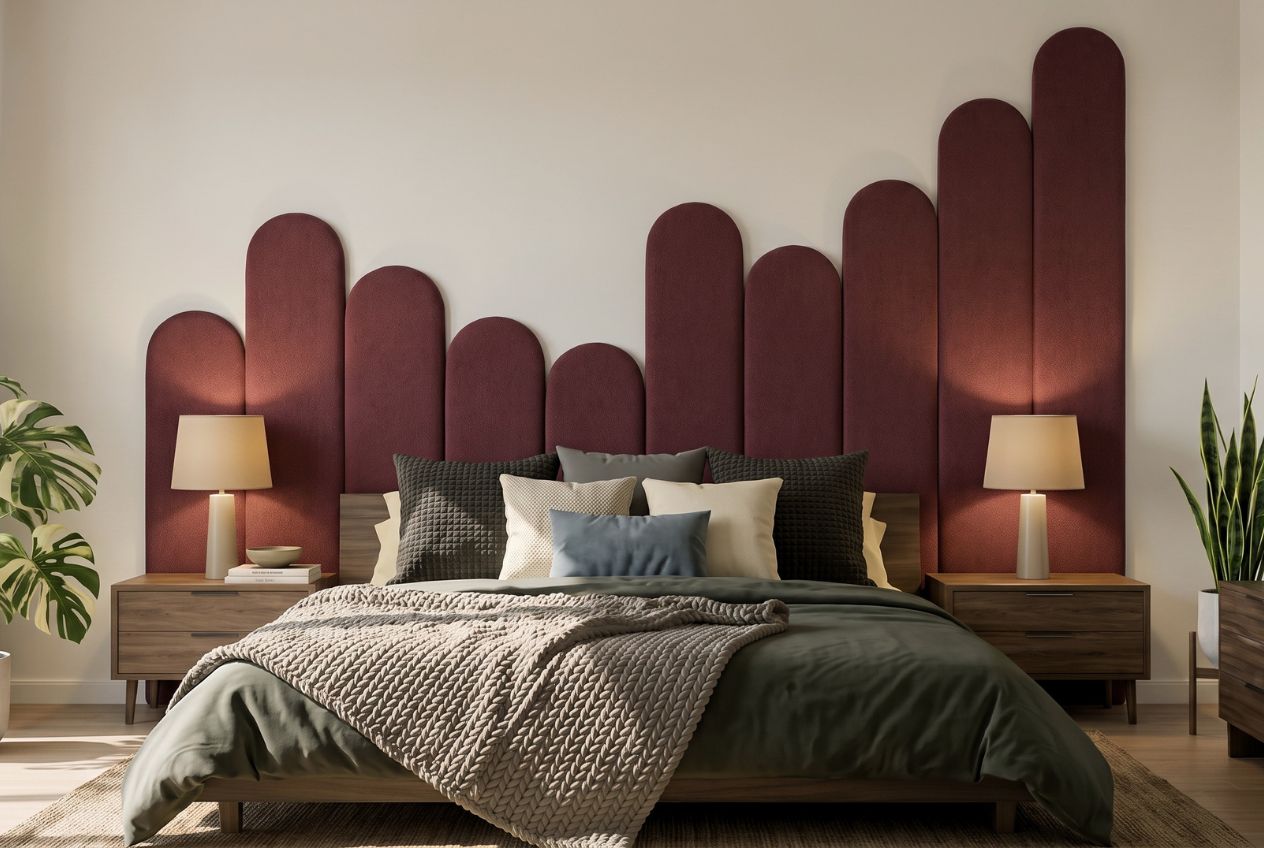
At Lifted+, our Wall Art collection is designed specifically for modern New Zealand homes, with pieces that carry real presence and colour-led intention. Whether you’re building your first art wall or refreshing an existing display, our Mood Library offers visual inspiration to help you find your direction quickly. For guidance on layering art with other decor elements, our layering home decor tips walk you through the process with the same care and detail you’d expect from a professional stylist. Your walls deserve more than a placeholder. Let’s find what belongs on them.
Frequently asked questions
How do I choose the right wall for an art wall?
Pick a wall that naturally draws the eye, such as above a sofa or in an entryway, and consider lighting and available space before committing. A well-chosen wall ensures your collection stands out rather than competes with the room.
What is the best way to keep my art wall looking fresh?
Rotate pieces regularly, mix in new finds, and adjust layouts based on the season or your changing tastes. Small updates, like swapping one piece or shifting a frame, can make the whole arrangement feel new again.
How high should I hang art on an art wall?
Hang the centre of your main piece about 145cm from the floor for ideal, comfortable viewing. This eye-level standard applies to most rooms and creates a cohesive, grounded display.
Can I mix different frame styles on one wall?
Yes, mixing frames and art types creates interest and personality, but keep a cohesive element like theme or colour palette to hold the arrangement together. Intentional variety always reads better than accidental inconsistency.
Recommended
- Guide To Choosing Art Size For Wall – Lifted+ | More Colour. More Mood. More Life.
- How To Choose Art For Double Height Walls – Lifted+ | More Colour. More Mood. More Life.
- Master Wall Art Curation For Striking NZ Interiors
- How Big Should Wall Art Be? Get It Right – Lifted+ | More Colour. More Mood. More Life.