
TL;DR:
- Mood led interiors use color, light, and layering to create specific emotional atmospheres in living spaces. Properly designed lighting interacts with walls and furniture to influence mood and wellbeing through color temperature and placement. Layering multiple light sources and controlling spectral balance enhance room character and support biological rhythms for better sleep and mood.
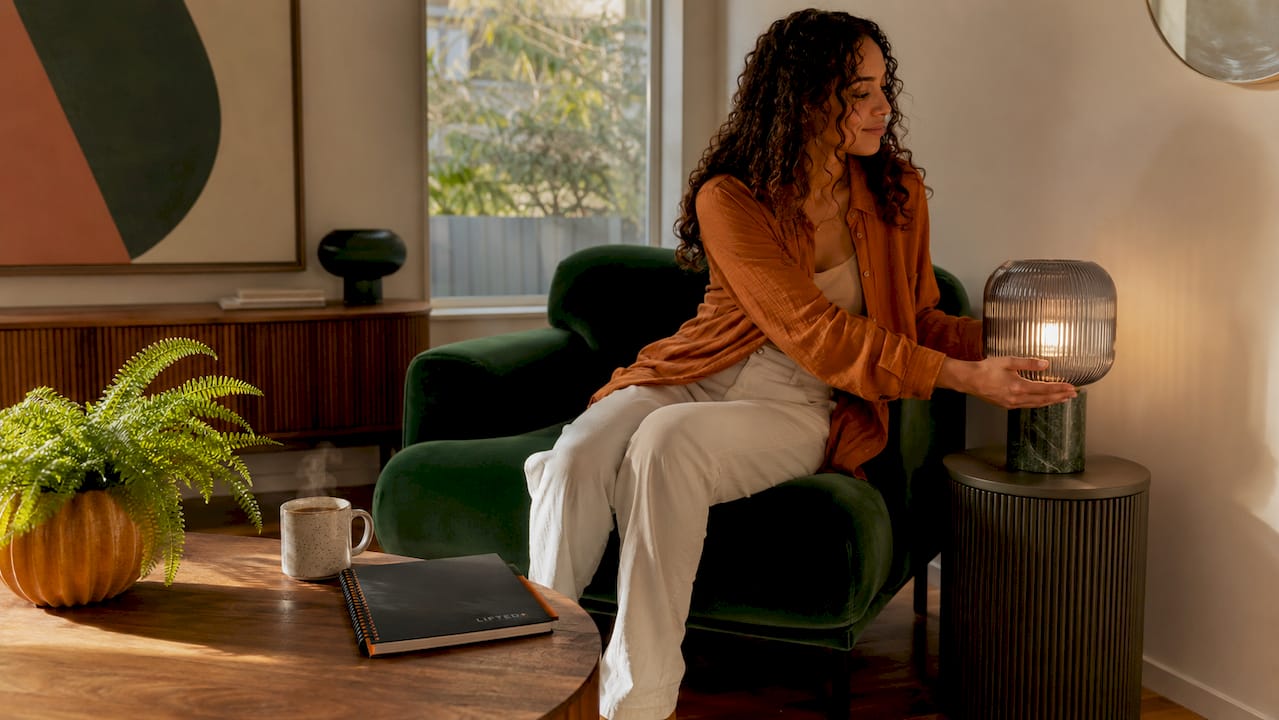
Mood led interiors are the deliberate use of colour, light temperature, and layering to shape the emotional atmosphere of a living space. This is not simply about choosing a bulb. It is about understanding how light interacts with your walls, your furniture, and your biology to produce a feeling. The industry term for this approach is atmospheric lighting design, and it draws on colour psychology, circadian science, and spatial hierarchy. When you get it right, a room stops being a container and starts holding a particular quality of air.
What are mood led interiors and how do they work?
Mood led interiors combine LED lighting technology with intentional colour and placement decisions to produce a specific emotional response in a room. The science behind this is grounded in how light reaches the brain. Indoor lighting brightness, colour temperature, timing, and placement can improve mood through brain pathways and sleep regulation. That means the light in your living room is not neutral. It is either working for you or against you.
Colour temperature is measured in Kelvin. Lower numbers produce warmer, amber tones. Higher numbers produce cooler, bluish whites. The practical range for residential spaces runs from around 1800K at the warm end to 5000K at the cool end. Each zone of that range produces a different psychological effect, which is why a single overhead fitting rarely does the job on its own.
The most effective mood led spaces use light as an architectural tool. A diffuse glow from a floor lamp reads differently to a focused beam from a wall sconce. Both can exist in the same room, and the tension between them is precisely what gives a space its character.
How does colour temperature affect mood and wellbeing?
Colour temperature is the single most controllable variable in atmospheric room lighting, and its effects are measurable. Morning bright bluish light exposure improves mood and sleep quality with documented effects on depressive symptoms. That finding has direct implications for how you light your home across the day.
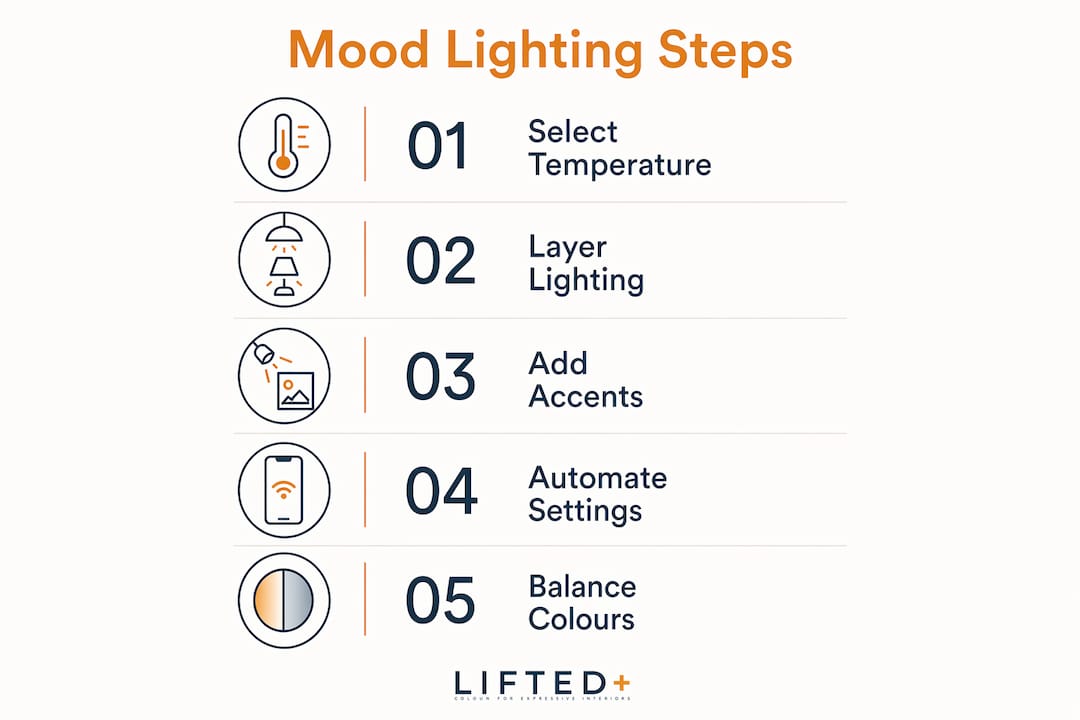
The practical colour temperature guide for residential spaces is clear. Relaxing zones like bedrooms and lounges suit 2700–3000K for warm ambience. Kitchens work best between 3000–4000K. Bathrooms benefit from 3500–4000K with a high colour rendering index so you see accurate tones. Mixing different colour temperatures in the same room creates visual discord, which reads as unease even when you cannot name the cause.
There is a complication with standard LED fittings that most homeowners do not know about. Typical white LEDs are blue-heavy with limited long-wavelength light, which can affect mitochondrial function and visual performance over time. Research published in Scientific Reports found that adding incandescent lighting improves colour contrast sensitivity by 25%, with effects that persist even after the incandescent source is removed. This suggests that LED-only interiors may benefit from supplementary warm-spectrum sources, whether that is a filament globe, a candle, or a tunable white fitting.
Circadian lighting systems address this directly. Tunable white systems change colour temperature and intensity through the day to support biological rhythms. A well-designed schedule starts at around 3000K in the morning, rises to 4000K at midday with 50–80% intensity, then dims to 1800K at 10% intensity in the evening to support melatonin production. Brands like Philips Hue and LIFX offer programmable tunable white systems that can automate this cycle.
Pro Tip: Set your smart lighting to shift automatically at sunset. Even a 500K drop in colour temperature signals to your body that the day is winding down, which improves sleep quality without any conscious effort.
What lighting layering strategies create effective atmospheric spaces?
Layered lighting is the foundation of any well-designed mood led interior. The three layers are ambient, task, and accent. Ambient light fills the room with general illumination. Task light targets specific activities like reading or cooking. Accent light draws attention to objects, textures, or architectural features. Each layer serves a different function, and together they create depth.
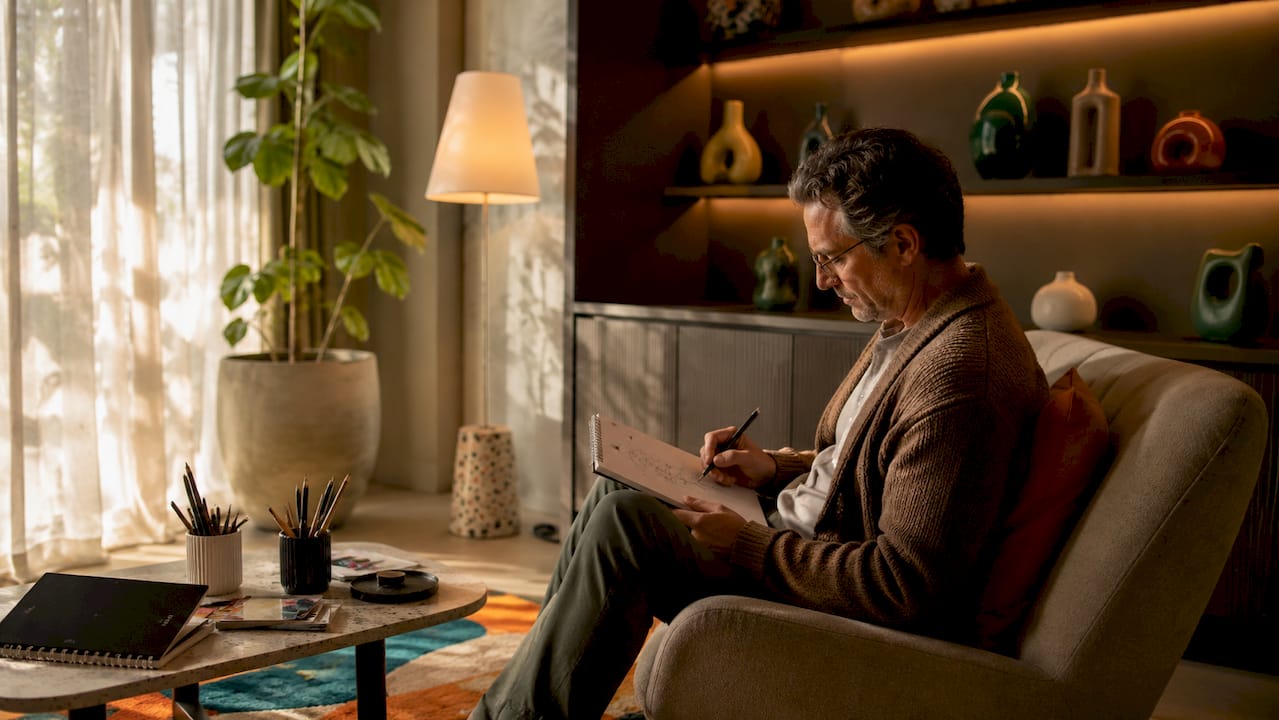
Effective mood lighting requires 2–3 light sources per room across these three categories. A single overhead fitting flattens a space. Three sources at different heights and intensities give a room its silhouette. The combination of a pendant, a floor lamp, and a picture light in the same living room produces a hierarchy that feels considered rather than accidental.
Dimming is the mechanism that makes layering work. Using dimmers for almost all lighting contributes 90% of achieving a moody, layered glow in residential interiors. Without dimming, you are choosing between full brightness and darkness. With dimming, you have a continuous range of atmosphere available at any time of day. Most LED fittings are now compatible with trailing-edge dimmers, which are quieter and more reliable than older leading-edge models.
A practical approach to building your layers:
- Start with ambient. Choose a central fitting or recessed downlights that provide even base illumination across the room.
- Add task. A reading lamp beside a chair or under-cabinet lighting in a kitchen serves a specific purpose and adds a second light source.
- Introduce accent. A wall sconce beside a piece of art, or an LED strip behind a shelf, creates focal points and visual tension.
- Install dimmers on every circuit where possible. This gives you full control over the mood at any given moment.
- Consider smart home ambiance controls that allow you to save and recall lighting scenes for different activities.
Pro Tip: When mixing metal finishes across your light fittings, use a 60/40 split across finishes per room. One dominant finish and one secondary finish creates cohesion without the sterility of a perfectly matched set.
How can colour-led decor accents complement your lighting?
Lighting sets the stage, but colour-led decor accents are what give a room its character. The two work together in a way that neither can achieve alone. A warm amber light source reads completely differently against a terracotta wall than against a white one. The wall becomes part of the light source, absorbing and reflecting warmth back into the space.
Colour psychology in interiors is well established. Deep ochres and burnt oranges produce warmth and intimacy. Dusty blues and sage greens create calm. Saturated jewel tones like emerald or cobalt introduce energy and presence. The key is to choose colours that reinforce the mood your lighting is already building, rather than working against it.
Furniture and wall art choices carry significant weight in this equation. A sculptural chair in a deep rust tone placed beneath a warm pendant light pulls a space out of the safe, polite middle. It makes a claim. Liftedplus approaches this through colourful furniture and limited-edition wall art that are designed to hold a room under specific lighting conditions, not just look good in a catalogue photograph.
The practical guidance for balancing bold colour with lighting is straightforward. Warm light sources between 2700–3000K intensify warm tones and soften cool ones. If you are working with a bold blue or green piece, a slightly cooler light source at 3000–3500K will let the colour read accurately without washing it out. Avoid excessive saturated RGB lighting without dimming, as high-output colour LEDs without control can cause visual discomfort rather than atmosphere. Warm dimmed whites produce steadier wellbeing results and let your decor do the expressive work.
What practical steps help you implement mood lighting at home?
Getting mood led lighting right at home does not require a full renovation. It requires a clear sequence of decisions. The table below outlines the key choices and their practical implications.
| Decision | Options | What to consider |
|---|---|---|
| Colour temperature | 2700K, 3000K, 4000K | Match to room function and desired mood |
| Light source type | Tunable white LED, filament globe, smart bulb | Tunable white offers the most flexibility |
| Control system | Manual dimmer, smart app, voice control | Smart systems allow scene scheduling |
| Layering approach | Ambient + task + accent | Minimum two sources per room |
| Spectral balance | LED only vs. LED + warm supplement | Consider adding a filament source for visual warmth |
Tunable white systems from Philips Hue, LIFX, and Nanoleaf all offer scheduling features that automate the circadian shift through the day. For homeowners who want a simpler approach, replacing a single overhead fitting with a warm filament pendant and adding one dimmable floor lamp covers the fundamentals without any smart home infrastructure.
The most common mistake in LED interior decor is inconsistent colour temperature across a single room. A 2700K pendant paired with a 4000K downlight creates a visual tension that reads as unfinished rather than layered. Choose one dominant temperature and treat any secondary sources as accents within that range.
For design planning and inspiration, the Liftedplus mood library offers curated mood boards that show how lighting and colour-led decor work together in real room contexts. The lighting guide for New Zealand homes covers fixture selection in detail for local conditions and room types.
Pro Tip: Before purchasing any new fittings, photograph your room under its current lighting at three times of day. The images will show you exactly where the light is flat, where it is too cool, and where a second source would add depth.
Key takeaways
Mood led interiors work because colour temperature, layering, and spectral quality each shape how a space feels, and controlling all three together produces results that no single fitting can achieve alone.
| Point | Details |
|---|---|
| Colour temperature drives mood | Use 2700–3000K for relaxing zones and avoid mixing temperatures in the same room. |
| Layering requires multiple sources | Place 2–3 light sources per room across ambient, task, and accent categories. |
| Dimmers are non-negotiable | Dimming controls deliver the tonal range that makes layered lighting feel intentional. |
| Spectral balance matters | Supplement LED-only setups with warm-spectrum sources to support visual comfort and wellbeing. |
| Colour-led decor amplifies light | Bold furniture and wall art work with warm light sources to give a room presence and character. |
What I have learned from living with layered light
The thing most articles on mood lighting miss is that the effect is cumulative. You do not notice a single change dramatically. You notice, after a few weeks, that you feel differently in a room. That is the quiet power of getting the layers right.
I spent years thinking the problem in my living room was the furniture. The sofa was fine. The art was right. But the room never quite settled. When I finally replaced the single 4000K downlight with a 2700K pendant and added a dimmable floor lamp in the corner, the room changed character entirely. The same furniture, the same art, a completely different feeling. That experience shifted how I think about interior design. Lighting is not the finishing touch. It is the first decision.
The other thing worth saying is that colour-led decor and lighting are not separate conversations. A deep ochre cushion under a warm pendant does something that neither element does alone. The light activates the colour. The colour shapes the light. When Liftedplus selects pieces for their collections, that relationship is built into the curation. The autumnal palette they favour is not just an aesthetic preference. It is a response to how warm light behaves in the spaces where most of us actually live.
My honest advice is to start with one room and commit to the full layering approach before moving on. Buy the dimmer. Add the second source. Live with it for a month. The difference will be clear enough that you will not need convincing to do the rest of the house.
— Michelle
Liftedplus: colour and light working together
Liftedplus curates furniture, lighting, and wall art specifically chosen to work with warm, layered light in modern New Zealand interiors. Their collections are built around the idea that decor personalises your space for both mood and style, not one or the other.
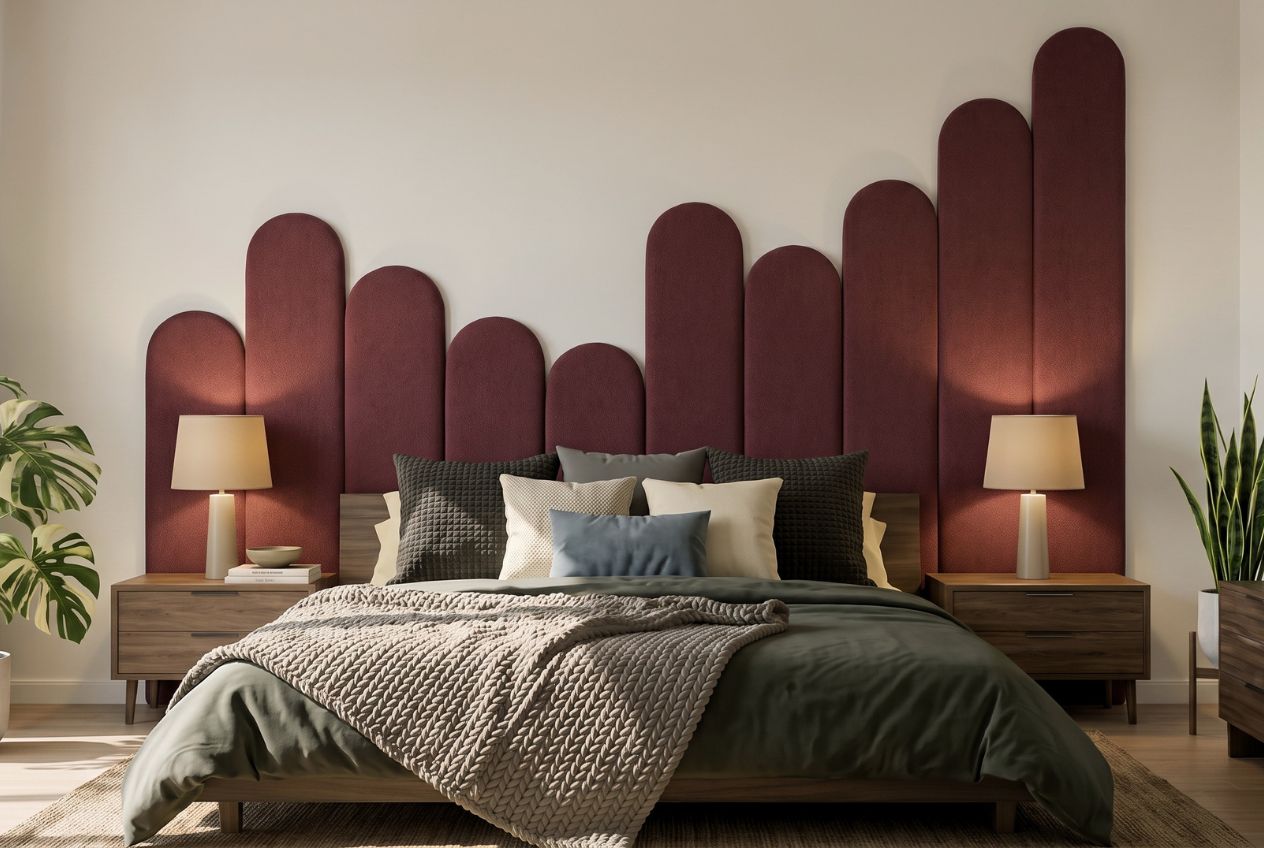
The Liftedplus shop brings together sculptural lighting and colour-led furniture pieces that hold a room under the kind of warm, layered light this article describes. Their limited-edition wall art is selected for presence under specific lighting conditions, not just visual appeal in isolation. For homeowners ready to move from concept to room, the Liftedplus mood library offers curated mood boards that show exactly how lighting and colour-led decor work together in real spaces.
FAQ
What colour temperature is best for mood lighting at home?
Warm white at 2700–3000K suits relaxing spaces like bedrooms and lounges. Avoid mixing colour temperatures in the same room, as the contrast creates visual discord rather than atmosphere.
How many light sources does a room need for layered mood lighting?
A room needs at least 2–3 light sources across ambient, task, and accent categories. Using dimmers on each source gives you full control over the mood at any time of day.
Do standard LED bulbs affect wellbeing?
Typical white LEDs are blue-heavy and may affect visual performance over time. Supplementing with warm-spectrum sources, such as filament globes or tunable white fittings, supports better spectral balance and visual comfort.
What is circadian lighting and do I need it?
Circadian lighting uses tunable white systems to shift colour temperature and brightness through the day, mimicking the sun’s natural rhythm. It is not essential, but it produces the most consistent mood and sleep benefits of any residential lighting approach.
How does colour-led decor work with mood lighting?
Bold furniture and wall art in warm tones like ochre, rust, and terracotta intensify under warm light sources at 2700–3000K. The light activates the colour, and the colour shapes the perceived warmth of the room.