
TL;DR:
- Editorial content in home décor builds trust and inspires emotional connections by framing products within lifestyle stories. It addresses renter constraints and emphasizes visual authenticity to encourage confident, non-permanent personalization choices. This approach significantly enhances purchase intent and brand loyalty through relatable narratives and contextualized styling guidance.
Editorial content is the reason you fall in love with a wall before you know what’s on it. In home décor, its role is to transform a product from something you notice into something you need, by placing it inside a story you recognise as your own. For renters and homeowners seeking removable, colourful wall décor, that narrative function is everything. It answers the question no product page can: what will this feel like in my home?
Table of Contents
- What does editorial content actually do in home décor?
- How editorial content constructs engaging home décor narratives
- Why editorial authority gives décor brands a competitive edge
- Applying editorial content to removable, colourful wall décor
- Why colour, texture, and removability matter so much to renters
- What Australian home décor editorial is saying right now
- How editorial content promotes sustainable, renter-friendly design
- How editorial content speaks differently to renters and homeowners
- How editorial campaigns have shaped removable wall décor purchasing
- Key takeaways
- FAQ
What does editorial content actually do in home décor?
Editorial content is not promotional copy with better photography. It is informative, narrative-driven material created to help an audience rather than sell to them directly. In home décor, that distinction matters enormously because décor decisions are emotional before they are transactional. You are not buying a panel. You are choosing an atmosphere.
The core functions of editorial content in this space are:
- Contextualising products within larger lifestyle stories, so a wall panel becomes part of a considered, personal interior rather than an isolated SKU
- Building emotional trust by showing real, lived-in spaces rather than sterile studio compositions
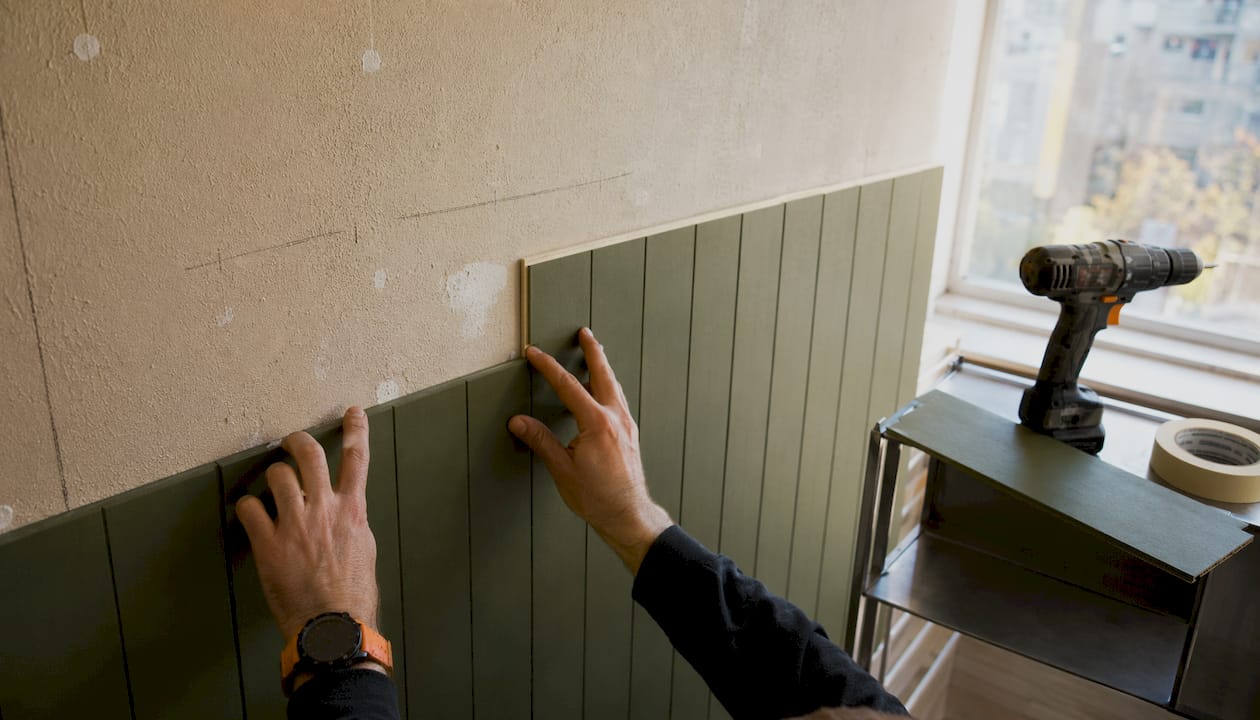
- Educating renters and homeowners on what is possible without paint, drilling, or permanent renovation
- Establishing brand authority through consistent, expert-led perspective that readers return to
DwellForms™ by Liftedplus demonstrates this well. Its website functions as both a shop and an inspiration resource, pairing modular wall panel kits with styling guides, colour narratives, and renter-specific advice. The product and the editorial content are inseparable. One gives you the object; the other gives you the reason.
How editorial content constructs engaging home décor narratives
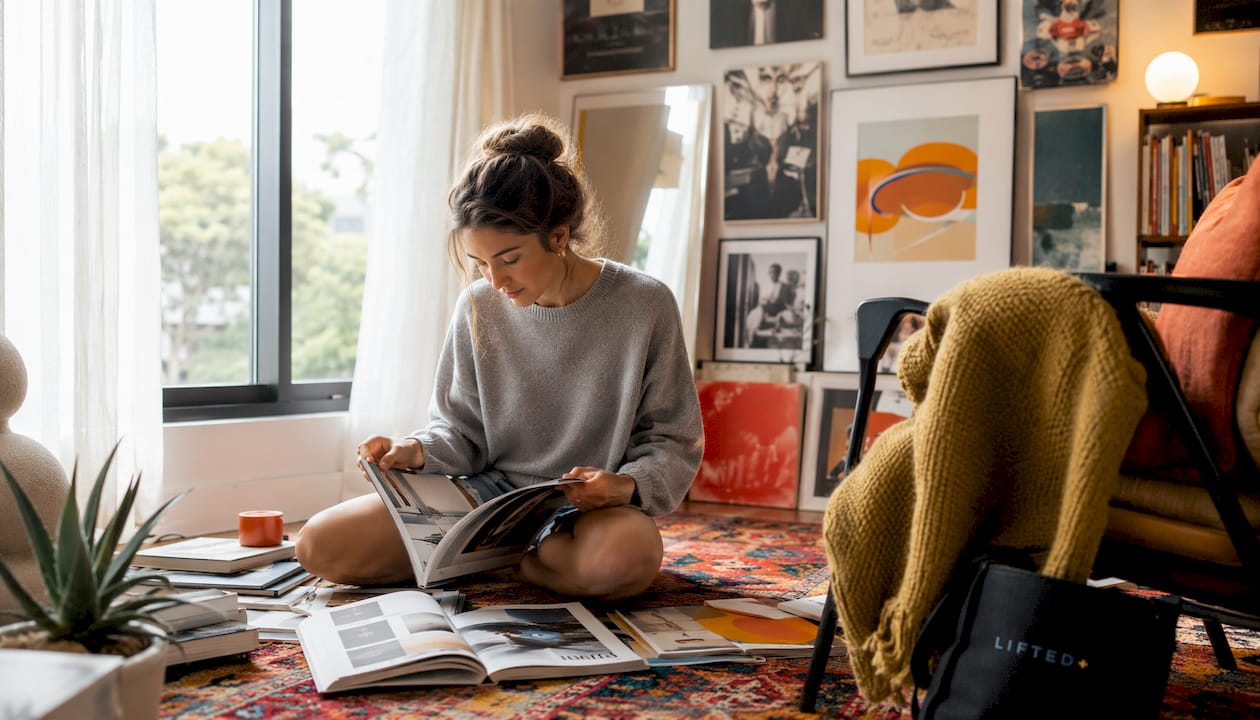
The most effective editorial content in home design does not describe a room. It creates a shared visual experience that lets readers imagine themselves living there. Interior stylist and set designer Pete Bermejo calls this the essential power of editorial design: crafting relatable yet idealised spaces that inspire people to see themselves in those lifestyles.
Storytelling techniques that achieve this include visual vignettes styled with natural, lived-in detail; behind-the-scenes glimpses of creative process and material choices; and lifestyle scenarios that reflect the reader’s actual constraints, like a rental with white walls and a landlord who says no to paint.
For renters, this kind of narrative is particularly persuasive. Seeing a DwellForms™ feature wall in a real apartment, with ordinary furniture and imperfect light, answers the doubt that a polished product render never can. High-impact editorial photography avoids staged perfection precisely because lived-in interiors help consumers visualise décor in personal, real spaces. Authenticity is not an aesthetic choice here. It is a conversion strategy.
Why editorial authority gives décor brands a competitive edge
Editorial authority is defined by a clear point of view, consistent quality, and a publishing agenda that competitors cannot simply copy. In a content environment flooded with algorithmically generated articles, that distinctiveness is the only thing that builds defensible trust.
Homes & Gardens built its editorial strategy around exactly this principle, commissioning designers to write authentically about what interests them rather than producing content to a brief. The result is material that feels human because it is. For décor brands, the lesson is the same: a consistent editorial voice, grounded in genuine expertise, creates loyalty that volume-driven content cannot.
Pro Tip: Build your editorial calendar around your audience’s real questions, not your product launch schedule. Content that answers “how do I add colour to a rental wall without losing my bond?” will outlast any seasonal campaign.
Liftedplus applies this through guides, colour inspiration, and styling advice that serve renters whether or not they buy immediately. That generosity of information is what builds brand equity over time.
Applying editorial content to removable, colourful wall décor
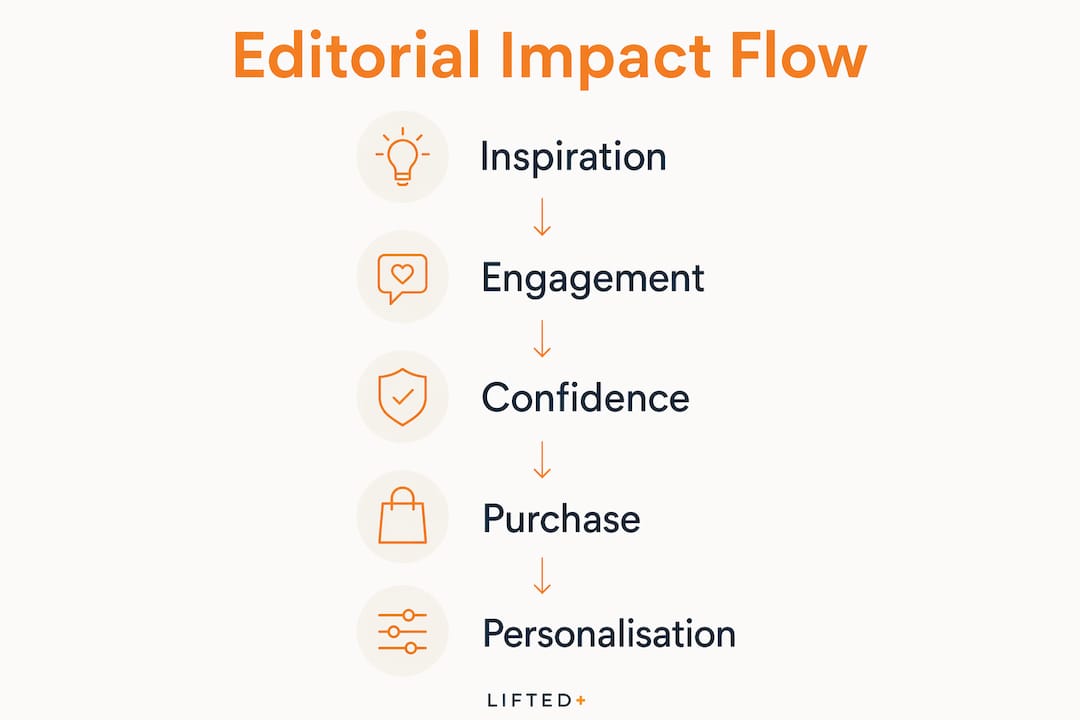
Translating editorial principles into a practical content approach for renter-friendly wall décor follows a clear sequence:
- Open with a narrative hook. Set the scene emotionally before introducing any product. “Your rental walls don’t have to stay blank” is a story, not a tagline.
- Show the constraint, then the solution. Acknowledge landlord limits, bond anxiety, and the fear of commitment. Then demonstrate how no-drill wall décor resolves each one.
- Use in-context visuals. Editorial photography should use natural light only wherever possible, avoiding mixed lighting that diminishes material texture. For PET felt panels, texture visibility is central to the appeal.
- Move from inspiration to guide. Effective brand content moves users from emotional narrative hooks to authoritative, shoppable guides. A lookbook page that tags every product for one-click purchase is the editorial and commercial moment combined.
- Close with confidence, not pressure. Let the reader arrive at the decision. Editorial content warms; it does not push.
DwellForms™ by Liftedplus embodies this funnel. A renter reads about colour without commitment, sees a terracotta panel arrangement in a real apartment, follows a layout guide, and arrives at the Skyline Kit product page already convinced. The editorial content did the work the product page alone could not.
Why colour, texture, and removability matter so much to renters
Colour is not decoration. It is atmosphere, identity, and intent. For renters who spend years in spaces they cannot paint, colour-led removable design carries genuine emotional weight. The benefits are tangible:
- Mood and identity: Colour directly affects how a space feels to live in, and removable solutions let renters express that without permanence
- Ease of change: Modular panels can be rearranged or taken to a new home, which suits the mobility of renting
- Landlord-friendly modifications: No drilling, no adhesive damage to plaster, no bond risk
- Sustainable materials: DwellForms™ panels are made from 100% recycled PET felt, which aligns with the growing preference for considered, low-impact design choices
Editorial content amplifies these benefits by framing them as lifestyle values rather than product features. Lookbook editorial pages with contextual product placement increase average order value by around 80% compared to standard product pages, which suggests that when renters see colour and texture in a real room context, they buy more confidently and more completely.
What Australian home décor editorial is saying right now
Australian editorial content in home design is reflecting a clear shift: renters and homeowners are moving away from the safe, neutral palette that dominated the 2010s. Warm terracottas, deep greens, and layered textures are appearing consistently across local interiors media, alongside a growing emphasis on bold colour choices that feel personal rather than trend-driven.
Renter-focused content is also gaining ground. Australian editorial increasingly addresses the specific reality of lease-bound living, covering removable solutions, flexible furniture, and no-renovation approaches to personalisation. Interior doors, statement wall treatments, and sculptural details are being framed as accessible design moves rather than renovation commitments.
How editorial content promotes sustainable, renter-friendly design
Sustainability and renter-friendliness are not separate editorial themes. They converge naturally around the idea of design that does not damage, deplete, or commit. Editorial content that champions removable wall décor is also, implicitly, championing lower-waste interiors: products that move with you rather than ending up in landfill when a lease ends.
DwellForms™ panels, made from precision-cut recycled PET felt, sit at this intersection. Editorial content around the brand does not need to make sustainability a separate argument. It is embedded in the product’s logic: colour without renovation, texture without waste, personality without permanence. Guides on decorating without painting walls serve both the renter’s practical need and a broader design ethic.
How editorial content speaks differently to renters and homeowners
Renters and homeowners share a desire for personal, expressive spaces. Their constraints differ sharply. Editorial content that serves both audiences must hold that distinction clearly.
For renters, the editorial frame is permission. Content that says “you can have a feature wall without asking your landlord” removes the psychological barrier that keeps rental interiors blank and beige. The emphasis falls on reversibility, ease, and confidence. For homeowners, the editorial frame shifts toward aspiration and curation. The question is less “can I?” and more “which direction do I take this?”
DwellForms™ editorial content addresses both by leading with the renter’s constraint and then expanding outward. A guide to colourful interiors that opens with rental-wall anxiety and closes with a fully realised feature wall serves the renter completely and gives the homeowner a richer palette of ideas than a homeowner-only piece would.
How editorial campaigns have shaped removable wall décor purchasing
The most instructive editorial campaigns in removable wall décor share a common structure: they lead with a real problem, show a real space, and make the path to purchase feel like a natural conclusion rather than a sales moment.
Brands that publish seasonal lookbook pages, tagging every product in every scene, consistently see stronger purchasing behaviour than those relying on isolated product pages. The editorial framing earns time and attention; the shoppable integration converts it. When Liftedplus publishes a styled apartment shoot featuring DwellForms™ panels in a rental context, with natural light, real furniture, and honest scale, it is doing the work that no product description can replicate.
The curated homewares edit approach, where editorial content groups products into coherent lifestyle scenes, also drives higher-value decisions. Renters who arrive through an editorial piece and then explore a full colour story tend to purchase with more intention than those who land directly on a product page.
Key takeaways
Editorial content is the most direct path from a blank rental wall to a space that feels genuinely personal, because it builds the trust and vision that a product page alone cannot.
| Point | Details |
|---|---|
| Editorial builds trust first | Informative, narrative-led content earns confidence before any purchase decision is made. |
| Authentic voice outperforms volume | Personality-driven editorial content differentiates brands from AI-generated noise. |
| In-context visuals convert | Lookbook pages with contextual product placement increase average order value by around 80% compared to standard pages. |
| Renters need permission, not just products | Editorial content that addresses landlord constraints and bond anxiety removes the key barrier to purchase. |
| Sustainability and removability align | Removable, recycled-material décor serves both renter practicality and low-waste design values. |
FAQ
What is editorial content in home décor?
Editorial content in home décor is informative, narrative-driven material that contextualises design products within lifestyle stories, building trust and emotional connection rather than directly selling.
Why does editorial content matter for renters specifically?
Renters face real constraints around permanent changes, so editorial content that addresses landlord limits and bond concerns gives them the confidence and permission to personalise their spaces.
How does editorial authority differ from standard content marketing?
Editorial authority combines a clear point of view, consistent quality, and genuine expertise. It builds defensible trust that generic or AI-generated content cannot replicate, as Homes & Gardens demonstrated with its personality-driven By Design programme.
How does editorial content influence purchasing decisions in wall décor?
By moving readers from emotional inspiration to practical confidence, editorial content guides purchasing decisions more effectively than product pages alone. Lookbook-style editorial pages with contextual product placement show measurably stronger conversion outcomes.
What makes DwellForms™ by Liftedplus an editorial content example?
DwellForms™ integrates product and editorial content across its platform, pairing modular wall panel kits with renter-specific styling guides, colour inspiration, and layout advice that serve the audience whether or not they purchase immediately.
Recommended
- How To Build A Curated Homewares Edit – Lifted+ | More Colour. More Mood. More Life.
- A Guide To Curating A Cohesive Home Edit – Lifted+ | More Colour. More Mood. More Life.
- How To Layer Home Decor Objects Like A Stylist – Lifted+ | More Colour. More Mood. More Life.
- How Furniture Shapes Your Home’s Ambiance And Mood