

The most versatile choices are vertical slats, shiplap or nickel gap, shaker-style board-and-batten, and geometric 3D panels — each one flexible enough to suit different rooms and budgets. The rule that decides between them is simple: match the pattern’s scale to your room size and ceiling height, then check whether you’re renovating or renting. If drilling and painting aren’t an option, removable modular panels like DwellForms™ give you the same visual drama without the commitment.
TL;DR:
- Large geometric or textured panels suit big rooms with high ceilings, while smaller spaces benefit from finer, tighter repeats to avoid overwhelming the room.
- Removable modular panels with adhesive pads are ideal for renters or those hesitant to undertake permanent modifications, offering low-cost experimentation and easy removal.
- Material choice, such as timber for warmth or MDF for budget-friendly options, affects both the look and maintenance needs, with moisture-resistant finishes essential in kitchens and bathrooms.
- Horizontal patterns like shiplap or nickel gap are best for cozy, cottage-style interiors, whereas vertical slats enhance ceiling height in modern spaces.
- Size and scale should align with room proportions and lighting, with natural daylight shaping shadows and highlighting the pattern’s visual impact across different times of day.
Table of Contents
- Popular wall panel patterns and where each one suits best
- How do you choose the right pattern scale for your room?
- What materials and finishes work best for wall panels?
- Permanent installs versus renter-friendly panels: which one fits?
- Why removable, colour-led modular panels are worth considering
- What does a wall panel pattern actually cost?
- How do you maintain different wall panel materials?
- Author perspective: balancing trend and timelessness
- Try a renter-friendly feature wall without the renovation
- Sources
- FAQ
Popular wall panel patterns and where each one suits best
Every pattern tells a different story about a room, and the trick is picking one whose personality matches the space you’re working with. Shaker-style board-and-batten brings structure through raised vertical strips, and it works either full height for a formal, considered look or waist high for something more relaxed in a hallway or dining room.
Shiplap and nickel gap lean horizontal, which makes them a natural fit for cosy, cottage-leaning interiors or a dramatic statement behind a fireplace. Current design trends favour texture-rich patterns like these because they add architectural character to otherwise plain rooms, turning a flat wall into something with genuine presence.
Vertical slats and linear panels do something different again. Their upward lines make ceilings feel higher and rooms feel taller, and they read as distinctly modern behind a bed or sofa where the repetition creates a calm, deliberate backdrop rather than visual noise.
Beadboard and wainscoting sit at the lower half of the wall and suit period homes and cottage-style interiors where a bit of nostalgic detail feels right. Geometric and 3D textured panels are the boldest option on this list, sculptural enough to earn feature-wall status on their own, especially where natural light can catch the raised surfaces and animate the shadows through the day.
Flat panels and trimmed rectangles offer the quietest option, delivering a clean, architecture-style grid that suits contemporary homes wanting structure without ornamentation. Idea roundups consistently point to this same shortlist, from board-and-batten to beadboard and geometric textures, as the patterns homeowners return to again and again.
- Shaker/board-and-batten: structured vertical strips, full height or waist height
- Shiplap/nickel gap: horizontal boards, cosy or dramatic depending on colour
- Vertical slats: linear, height-enhancing, strong behind beds and sofas
- Beadboard/wainscoting: lower-wall detail suited to cottage and period interiors
- Geometric/3D panels: sculptural texture, ideal where light can play across the surface
- Flat panels: clean rectangular grids for a contemporary, architectural feel
How do you choose the right pattern scale for your room?
Pattern choice comes down to proportion before it comes down to style. A large, busy geometric repeat can swallow a small bedroom, while the same pattern might feel exactly right filling a generous living room wall. Design experts point to scale as the detail homeowners get wrong most often, reaching for a bold pattern that suits a showroom rather than their actual square metreage.
A few practical rules make the decision easier:
- Match module size to room volume. Big rooms can carry larger panel modules and deeper texture; small rooms need finer, tighter repeats.
- Use vertical lines to lift low ceilings, and horizontal lines to visually widen a narrow room.
- Read your light before you commit. Strong side light from a window will animate a dimensional panel with shifting shadows through the day, so consider testing a sample swatch in that light first.
- Centre the pattern on your focal furniture. Line panels up with the middle of the bed or sofa so the wall and the room read as one composition, not two competing ideas.
- Decide on contrast versus tone-on-tone. Bold colour contrast suits a single feature wall you want to dominate the room; a tone-on-tone finish suits panelling you want to feel like part of the architecture rather than a statement.
Pro Tip: Photograph the wall at different times of day before choosing a heavily textured pattern. The shadow play from morning light can look completely different by evening, and you want a pattern that holds up in both.
What materials and finishes work best for wall panels?
Material choice shapes both how a pattern looks and how much upkeep it demands. Timber and engineered wood bring genuine warmth and grain variation, and they take stain beautifully, but solid timber will move slightly with humidity, so engineered options are usually the steadier choice in variable New Zealand climates.
MDF with painted mouldings remains the most cost-effective route to a crisp, gallery-white shaker or board-and-batten look, and it’s the easiest surface to repaint if your colour confidence grows over time. Gypsum and engineered composite panels deliver the strongest 3D sculptural effect, though they need checking for moisture tolerance and can be more fragile to handle during installation.
PET felt and textile-backed panels sit in a different category altogether: soft to the touch, rich in colour, lightweight, and frequently designed to be removable rather than fixed. That lightness matters if you’re renting or simply don’t want a wall treatment glued to the studs for good.
- Timber/engineered wood: warm, natural grain, some movement with humidity
- MDF/painted mouldings: budget-friendly, easiest to repaint
- 3D gypsum/composite: strongest sculptural depth, moisture and fragility to consider
- PET felt/textile-backed: soft texture, colourful, lightweight, often removable
- Finishes: matte or satin paint for subtlety, semi-gloss or moisture-resistant coatings for bathrooms and kitchens
Permanent installs versus renter-friendly panels: which one fits?
Fixed installation with nails, screws or construction adhesive suits a long-term renovation where the wall is yours to alter permanently, but it leaves real repair work behind if you ever want the pattern gone. Click-fit and tongue-and-groove systems install faster than a full nail-up job, though they’re still generally a semi-permanent commitment once fitted.
Removable, adhesive-mounted panel kits take a different approach entirely, using high-tack pads designed to hold securely and lift away cleanly. Traditional fixings risk real wall damage on removal, which is exactly the problem removable systems are built to avoid.
- Request sample swatches before committing to a full wall.
- Read the install guidance closely, particularly weight limits and wall suitability.
- Check your landlord’s rules on wall treatments before you start.
- Test the adhesive on a small hidden patch first, and give it the recommended cure time.
Pro Tip: If your wall has hidden plumbing, damp patches, or any sign of structural movement, call a tradesperson before attaching anything. No adhesive system is designed to solve a wall problem underneath it.
Why removable, colour-led modular panels are worth considering
A no-drill wall decor option changes the entire calculation for renters and anyone nervous about commitment. Removable PET felt panels let you bring in colour, texture and genuine architectural drama using tested adhesive pads with no paint, no drilling and no structural change to the wall itself.
That flexibility is part of a broader shift toward configurable, modular panel systems that suit flexible, non-permanent living rather than fixed renovation.
- Sample kits let you test colour and texture before committing to a full order, and the cost credits toward a full kit if you go ahead
- Layout guides walk you through spacing and rhythm before a single pad touches the wall
- Styling advice helps match a kit to your room’s proportions, echoing the scale rule that governs every pattern choice
- The Skyline Kit shows how a single modular system can carry a genuinely sculptural, feature-wall pattern
Readers wanting a broader look at removable options can see practical renter-friendly wall panel ideas before deciding on a layout.
What does a wall panel pattern actually cost?
Budgets vary widely depending on material, coverage and whether you’re paying a tradesperson or fitting panels yourself. A single MDF board-and-batten wall, materials only, tends to sit at the more affordable end of the spectrum, with paint and trim adding a modest amount on top. Solid timber slats or engineered wood panelling cost more upfront because of the raw material price, and professional installation adds a further labour cost on top of materials, particularly for a full-room treatment rather than a single feature wall.
3D gypsum or composite panels usually land in the mid-to-upper range once you account for careful handling and the adhesive or fixing system they need. Removable modular kits sit apart from this comparison entirely, because there’s no tradesperson labour cost built in. You’re paying for the panels and adhesive pads, and fitting the wall yourself over a weekend rather than booking a professional.
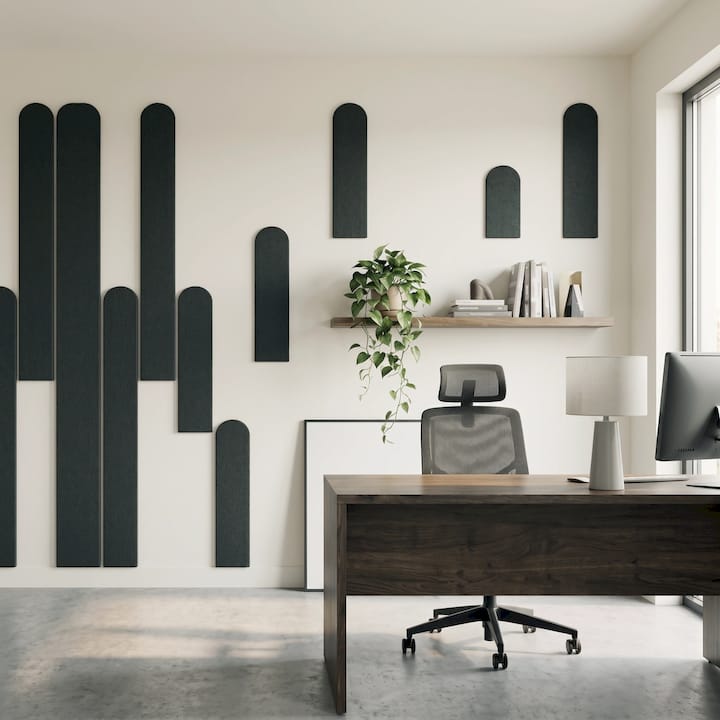
The real cost difference between a permanent and removable pattern isn’t just the panels themselves. It’s what happens when you move out, change your mind, or a landlord requires the wall returned to its original state. A fixed installation often means patching and repainting on exit, an expense that rarely gets factored into the original budget. Readers weighing this trade-off can check specific renter-friendly budget guidance before deciding which route makes financial sense for their situation.
How do you maintain different wall panel materials?
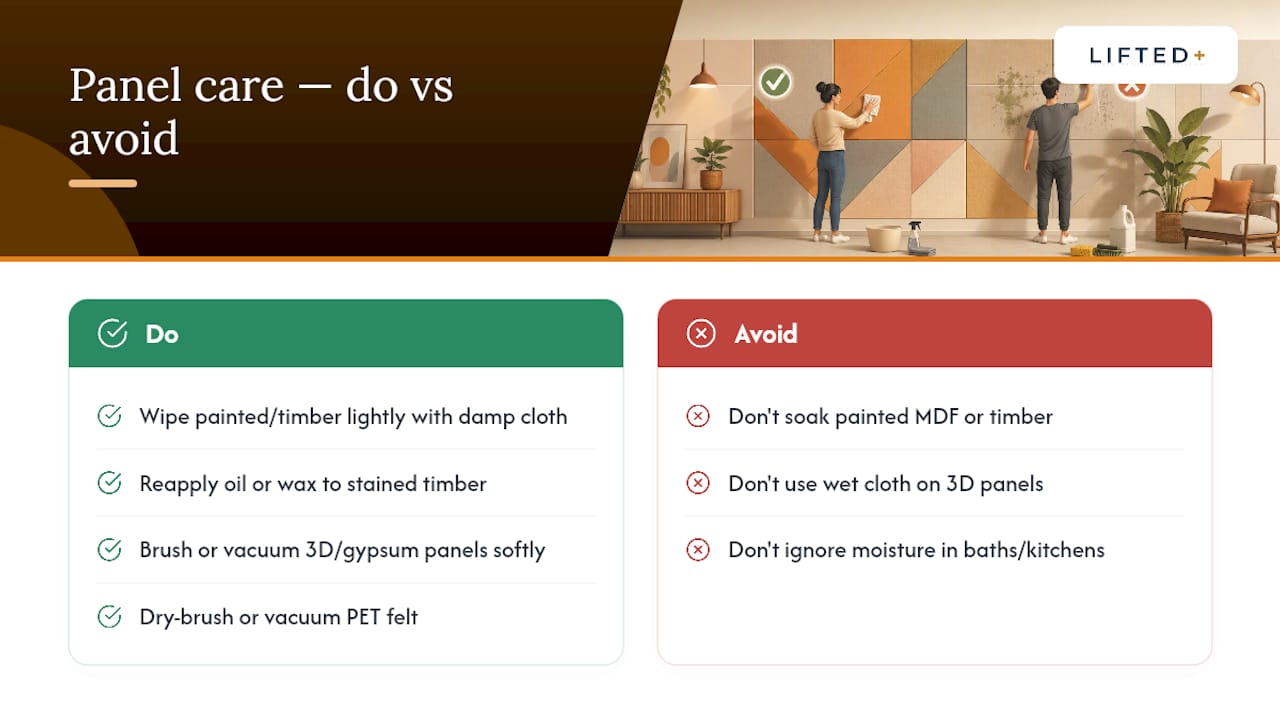
Upkeep depends entirely on what the panel is made from, and mismatching your cleaning method to the material is the fastest way to shorten a pattern’s lifespan. Painted MDF and timber panels handle a light wipe with a damp cloth well, but avoid soaking them, since excess moisture can swell MDF edges and cause visible bubbling over time.
Stained timber needs an occasional reapplication of oil or wax to keep the grain from drying out, particularly in rooms with heating that dries the air. Gypsum and composite 3D panels are more delicate to clean; a soft, dry brush or vacuum attachment removes dust from the raised texture far better than a wet cloth, which can catch on fine detail and cause damage.
PET felt panels are genuinely low-fuss by comparison. A dry brush or the soft attachment on a vacuum lifts dust from the surface easily, and because the material doesn’t absorb moisture the way timber does, there’s no swelling or warping risk to manage. Bathrooms and kitchens call for moisture-resistant finishes regardless of material, since steam and humidity are the two things that shorten a painted or timber panel’s life fastest. Whatever the finish, a seasonal once-over rather than constant fussing keeps most panel types looking sharp for years.
Author perspective: balancing trend and timelessness
Design trends move faster than most people’s willingness to repaint, so my advice is to keep the structural choice, the scale and rhythm, sensible and neutral, and let colour do the trend-chasing instead. A feature wall you can refresh costs you an afternoon; a whole panelled room you’ve grown tired of costs you a renovation.
Test a sample panel before you commit to anything full height, and favour one considered feature wall over panelling an entire home. Colour confidence grows with low-stakes experiments, not big irreversible ones.
— Michelle
Try a renter-friendly feature wall without the renovation
There’s a reason removable PET felt has become the practical middle ground between painting a wall and permanently panelling it: you get texture without renovation and colour without commitment, using tested adhesive pads instead of screws or nails.
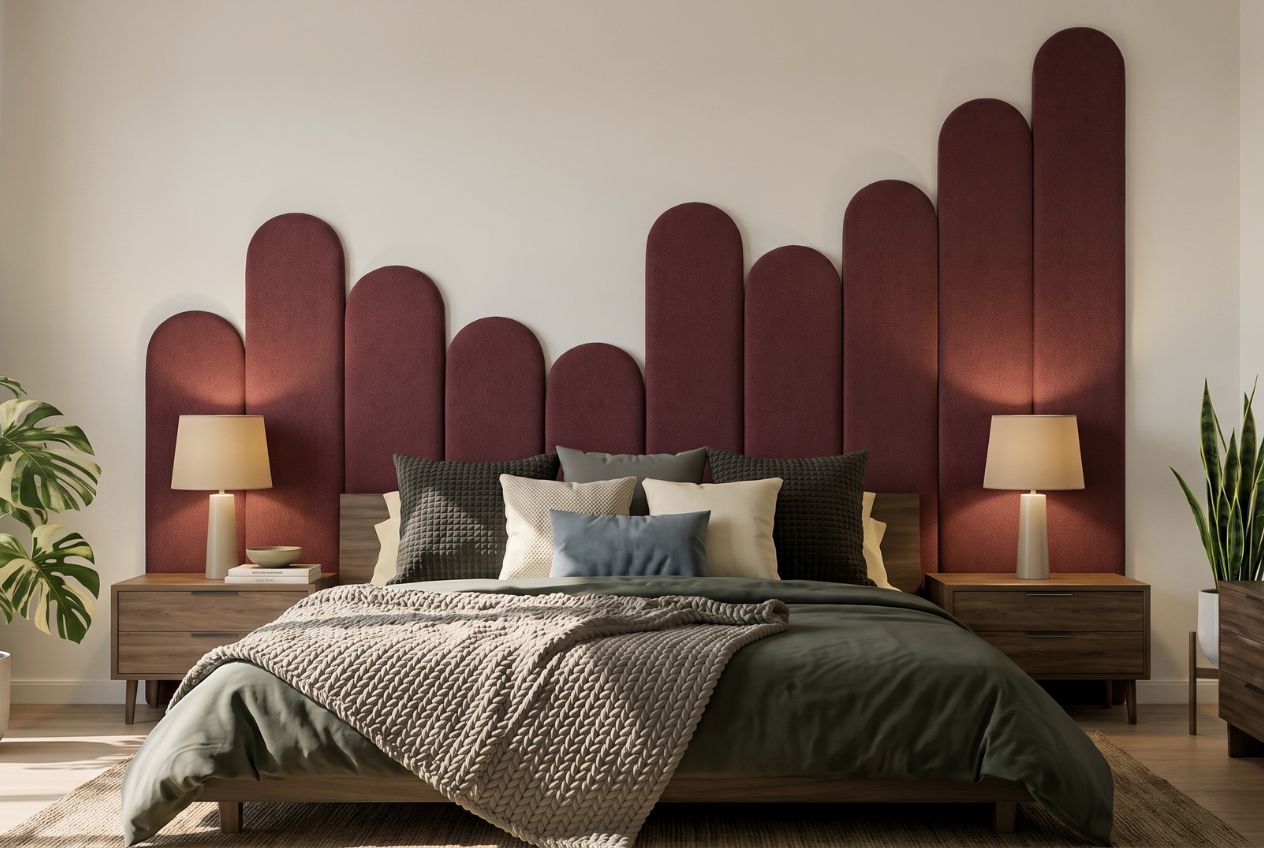
If you’ve been eyeing a bold geometric pattern or a sculptural slat wall but weren’t ready to drill into a rental, DwellForms™ gives you that same architectural impact using a kit designed to go up, come down, and travel with you to your next address. Start by ordering a sample kit to test colour and texture against your actual wall and light, then browse the layout guides to work out how many panels your dimensions need. It’s a genuinely low-risk way to find out whether a pattern earns its place before you order a full kit.
Sources
- Types of Wall Paneling: Easy Guide for Your Home — Lowe’s
- Types of Wall Panelling — The Nest Interior
- Decorative wall paneling ideas — HGTV
FAQ
What are the latest wall panel trends?
Texture-rich, architectural patterns are leading, particularly vertical slats, shiplap and geometric 3D panels, alongside a strong shift toward modular, removable systems that suit renters and flexible living.
Is panelling outdated in 2026?
No. Panelling has moved from a dated trim detail into a genuine personalisation tool, with removable options like DwellForms™ making it accessible to renters who couldn’t previously commit to the look.
What are some examples of wall panelling styles?
Common styles include shaker/board-and-batten, shiplap or nickel gap, vertical slats, beadboard, geometric 3D panels and clean flat trimmed panels, each suited to different room styles and scales.
How do I design a wall panel layout?
Start by matching pattern scale to your room size and ceiling height, centre the layout on your main piece of furniture, and test a sample swatch in your room’s actual light before committing to a full wall.