
TL;DR:
- Seasonal design intentionally aligns your home with natural cycles, influencing mood through meaningful, mood-responsive updates. It relies on a neutral, timeless base with curated accents like textiles and scents that reflect each season, promoting wellbeing and sustainability. This layered approach creates a dynamic, authentic space that feels alive, inhabited, and supportive year-round.
Seasonal design trends are deliberate aesthetic shifts that align your home with the natural cycles of the year, shaping both mood and atmosphere through intentional, timely change. Understanding why follow seasonal design trends matters goes well beyond surface-level styling. The practice draws on colour psychology, biological responses to light, and the deeply human need to mark the passage of time. When you update your space with the seasons, you are not chasing novelty. You are creating a home that breathes, shifts, and holds you differently across the year. The result is a living environment that feels genuinely alive.
Why follow seasonal design trends for mood and wellbeing
The case for seasonal design is grounded in biology as much as aesthetics. Seasonal colour palettes influence neurotransmitters like serotonin, helping regulate mood in response to changing daylight. This means the warm ochres and deep terracottas you reach for in autumn are not arbitrary preferences. Your nervous system is genuinely responding to the shift in light, and your interior can either support or resist that response.
The psychological effects extend beyond colour alone. Texture, scent, and the quality of light in a room all contribute to what designers call atmospheric density, the sense that a space has weight and presence appropriate to the moment. A linen throw in winter, a ceramic vase holding dried botanicals in autumn, a lighter cotton weave as spring arrives. Each of these small sensory signals tells your body where it is in time, and that grounding has real consequences for focus and calm.
Research supports this directly. Integrating seasonal markers indoors is linked to higher subjective wellbeing, functioning as a practical form of mindfulness. The act of noticing the season and responding to it with your environment pulls you into the present moment rather than letting weeks blur together. This is the importance of seasonal design that most decorating guides miss entirely.
The Japanese concept of ma, or meaningful space, captures this well. Japanese interior philosophy has long held that a room should reflect the season outside its walls, not fight it. Bringing that sensibility into your home does not require a complete redesign. A shift in scent from citrus to cedar, a change in cushion weight, a new piece of wall art in a grounded autumn palette. These are the textures of time made visible inside your home, and they matter to how you feel in it.
Pro Tip: Place your most sensory seasonal update, whether a scent diffuser, a weighted textile, or a piece of botanically inspired wall art, in the room where you spend the most time. The effect compounds when it is encountered daily.
What are effective strategies for adopting seasonal design trends sustainably?
The most common mistake people make with seasonal design is treating it like a full renovation cycle. It is not. Seasonal updates work best as a surface layer on timeless, neutral foundations, allowing refreshment without costly full overhauls. Your base palette of warm whites, natural timbers, and stone-toned textiles stays constant. What changes are the accents that sit on top of that foundation.
The environmental stakes of getting this wrong are significant. 70 million decor items are discarded annually in Britain alone, driven by fast homeware trends that exploit the same psychological triggers as fast fashion. That figure represents a consumption pattern that seasonal design, done mindfully, is specifically designed to resist. The goal is not to buy new things every three months. It is to rotate a considered collection of pieces that carry meaning across multiple years.
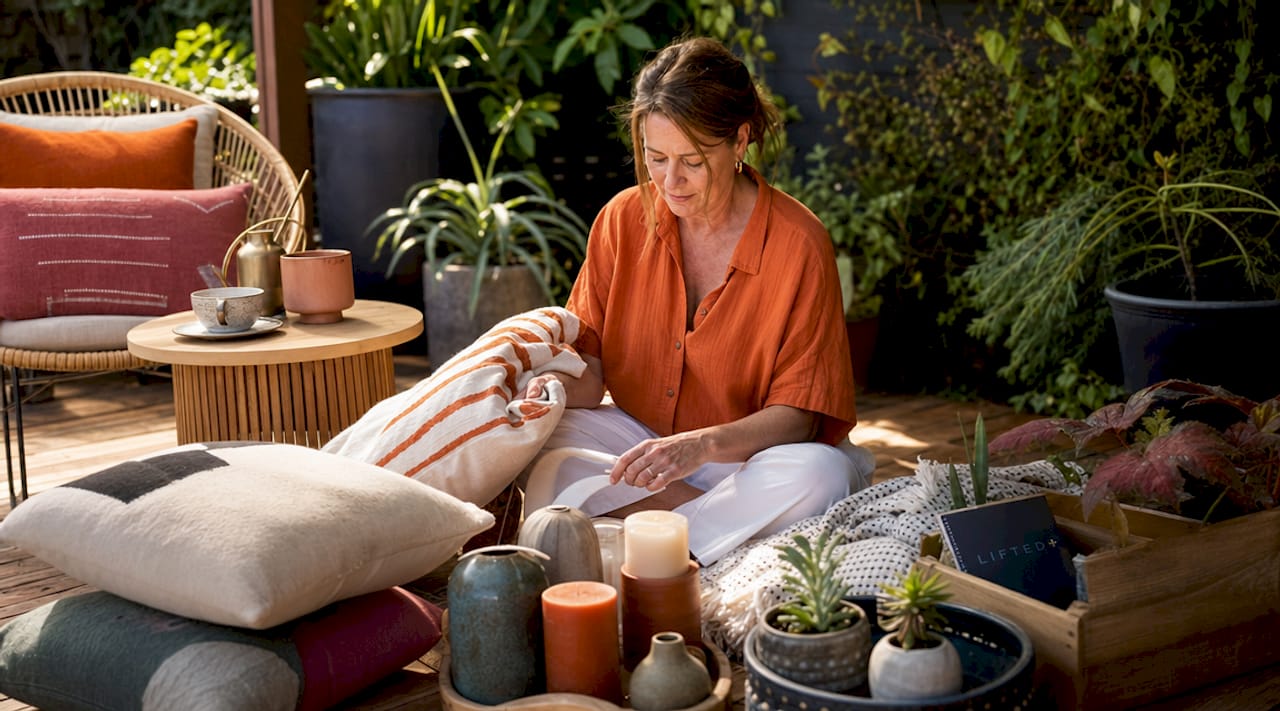
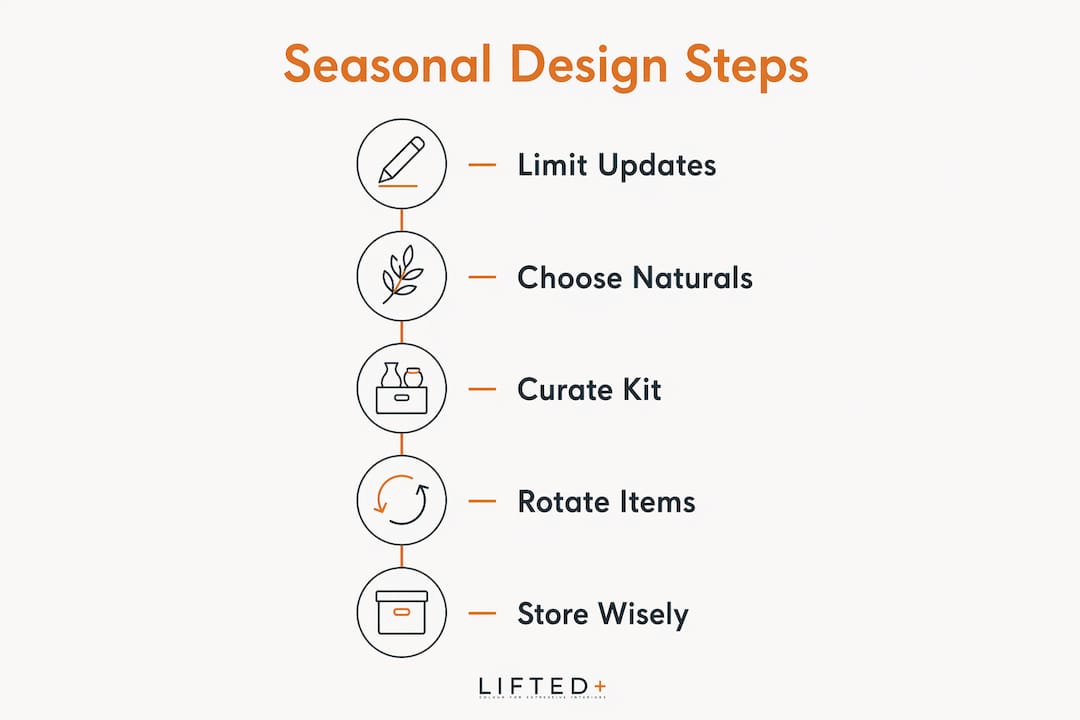
Experts advise limiting seasonal updates to 3-5 intentional items per season to reduce storage burden and environmental impact. In practice, this might look like two cushion covers, one piece of wall art, a scented candle, and a small ceramic object. Stored carefully between seasons, these pieces become familiar markers of time rather than disposable novelties.
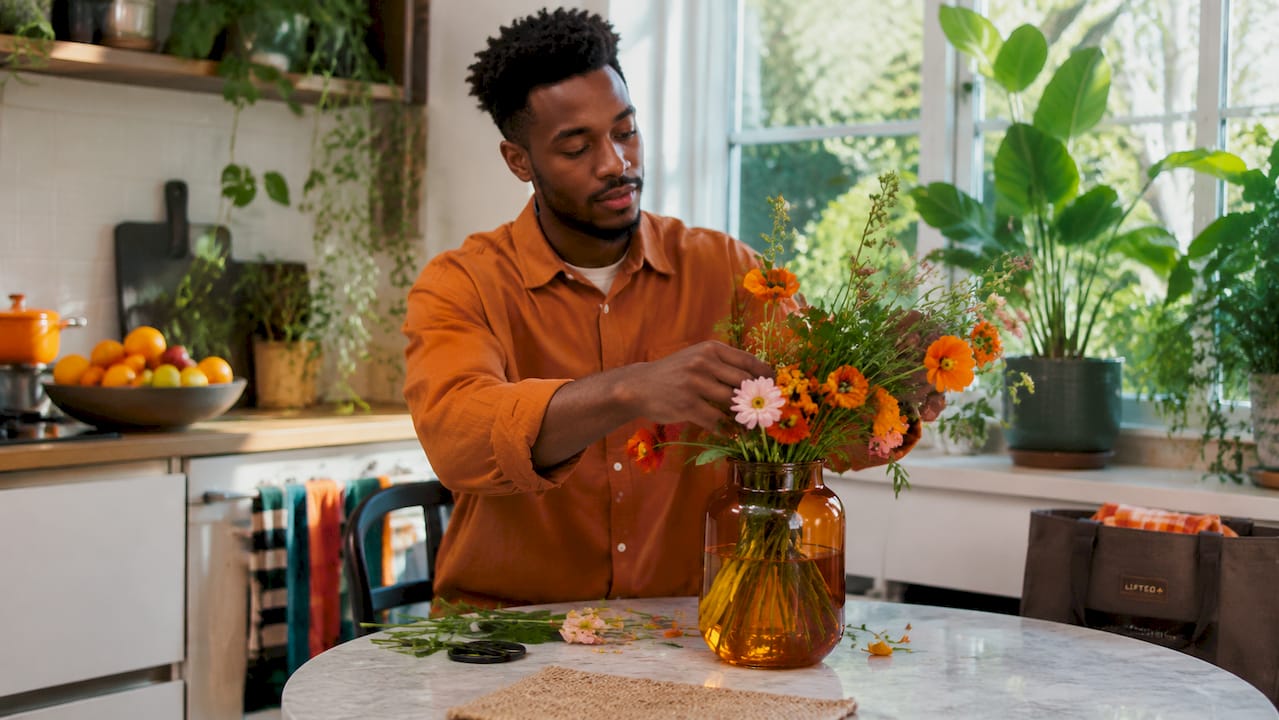
Natural materials and botanicals earn their place in this approach because they are inherently seasonal and inherently biodegradable. Dried grasses, seed pods, pressed leaves, and foraged branches cost almost nothing and carry enormous atmospheric weight. A simmer pot of cinnamon and clove in winter does more for a room’s sense of season than a shelf of matching ornaments. The sensory dimension of seasonal design is where the real power lives.
Pro Tip: Build a small seasonal kit stored in a single box: two cushion covers, one textile, a candle or scent, and one decorative object. Rotate the box each season rather than shopping for new pieces. After two years, the collection feels curated rather than accumulated.
How does seasonal design differ from static or timeless design?
Static design and timeless design are often conflated, but they are distinct approaches with different outcomes. Static design is a room that never changes, fixed at the point of its last renovation and resistant to any shift in mood or season. Timeless design, by contrast, is a considered foundation of quality materials and enduring forms that welcomes seasonal layering without being destabilised by it. Seasonal design is not the opposite of timeless design. It is its natural companion.
The distinction matters because seasonal design’s core value lies in anti-monotony, creating textured time and grounding people in the present moment. A room that looks identical in July and in June holds no sense of time passing. Over months and years, that sameness becomes a kind of visual flatness that affects how you feel in the space without you ever quite identifying why. Seasonal design solves this by giving the room a rhythm.
The risk, of course, is the opposite extreme. Fast homeware trends exploit psychological triggers that promote overconsumption, creating what critics describe as a subscription model of purchasing seasonal decor. The antidote is not to abandon seasonal updating but to practise it with intention. The difference between mindful seasonal layering and fast homeware consumption is curation. One piece chosen with care does more than ten pieces chosen in haste.
| Approach | Atmosphere | Flexibility | Sustainability |
|---|---|---|---|
| Static design | Fixed, unchanging | None | High if original pieces last |
| Timeless design | Enduring, quality-led | Low to moderate | High |
| Seasonal layering | Rhythmic, mood-responsive | High | High when curated |
| Fast homeware trends | Novelty-driven, disposable | High but costly | Low |
The table above makes the trade-offs visible. Seasonal layering over a timeless base is the only approach that scores well across all four dimensions. It is also the approach that most closely mirrors how we actually experience time and place.
What are practical tips for implementing seasonal design throughout the year?
Putting seasonal design into practice is simpler than most people expect, and the colour-led interior inspiration available for New Zealand homes makes it especially accessible. The key is to start with the room you inhabit most and make one deliberate change at a time.
Here is a practical framework for working through the year:
-
Audit your neutral base. Before any seasonal update, confirm that your foundational pieces, your sofa, rugs, larger furniture, and wall colour, are genuinely neutral and quality-led. Seasonal accents only work when they have a calm surface to rest against.
-
Organise by mood, not calendar. Mood-based palettes evoke warmth or freshness regardless of geographic season, which matters in the Southern Hemisphere where autumn arrives in March and spring in September. Think in terms of warm and grounded versus light and open rather than summer and winter.
-
Rotate textiles first. Cushion covers, throws, and table linens are the fastest and most affordable way to shift a room’s atmosphere. A move from linen in pale sage to velvet in deep rust takes minutes and changes everything about how a room feels after dark.
-
Add one scent anchor per season. Scent is the most direct route to emotional atmosphere. Cedar and clove for the cooler months, eucalyptus and lemon for the warmer ones. A single diffuser or candle in a frequently used room is enough.
-
Bring the outside in deliberately. Seasonal natural elements, whether a branch of autumn leaves, a bowl of citrus, or a vase of dried grasses, cost almost nothing and carry the season’s visual signature more honestly than any manufactured ornament.
-
Time your changes to transitions, not dates. Rather than updating on the first of March or September, watch for the actual shift in light quality and temperature. Responding to what you observe outside makes the interior change feel earned rather than scheduled.
Pro Tip: When updating your home decor for mood and style, prioritise the living room and bedroom. These are the spaces where atmosphere has the greatest effect on how you feel at the start and end of each day.
Key takeaways
Seasonal design is most effective when it layers intentional, mood-responsive accents over a timeless neutral foundation, using 3-5 curated pieces per season to refresh atmosphere without waste or overconsumption.
| Point | Details |
|---|---|
| Biological basis for seasonal colour | Seasonal palettes affect serotonin and mood regulation, making colour choices genuinely functional. |
| Timeless base, seasonal surface | Keep foundational pieces neutral and enduring, then layer seasonal accents on top each cycle. |
| Curate, do not accumulate | Limit updates to 3-5 intentional items per season to avoid clutter and environmental waste. |
| Mood over calendar | Organise seasonal updates around warm or fresh moods rather than strict calendar dates, especially in the Southern Hemisphere. |
| Sensory anchors matter | Scent, texture, and natural botanicals create atmospheric depth that purely visual updates cannot replicate. |
Seasonal design as a practice, not a performance
I have spent enough time thinking about interiors to know that the rooms people love most are not the ones that look perfect in photographs. They are the ones that feel right to be inside on a Tuesday evening in the middle of June. That quality, the sense that a room is holding you in the right way for the right moment, is what seasonal design actually produces when it is done with care.
What changed my own relationship with seasonal updating was letting go of the idea that it needed to be dramatic. One piece of wall art moved from the hallway to the living room. A throw folded differently over the arm of the sofa. A candle lit at four in the afternoon because the light had shifted and the room needed something warm. None of these are design statements. All of them are design decisions, and the cumulative effect is a home that feels genuinely inhabited rather than staged.
The risk I see most often is people treating seasonal design as a performance for guests rather than a practice for themselves. The point is not to have a home that looks seasonally appropriate. The point is to live in a space that supports how you actually feel across the year. Keep it simple, keep it sustainable, and let the changes be small enough that you actually make them.
— Michelle
Refresh your home with Liftedplus this season
Liftedplus curates colour-led wall art, lighting, and decorative objects designed to work as seasonal accents over a timeless interior foundation. Whether you are looking to shift your living room’s atmosphere for the cooler months or bring a sense of warmth and presence to a space that has felt flat, the Liftedplus collection offers pieces with genuine sculptural weight and grounded colour palettes.
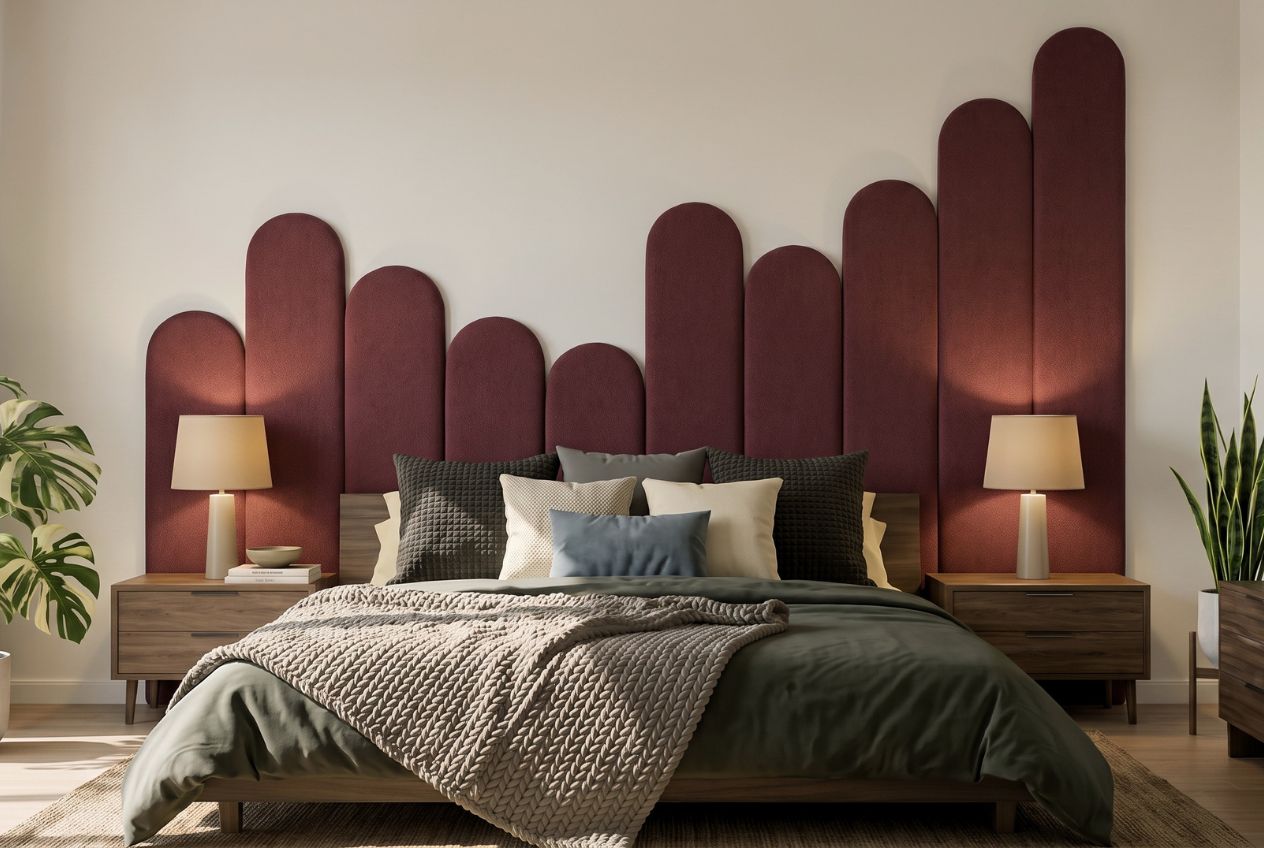
Explore the Liftedplus guides on personalising your space for mood and discover how a single well-chosen piece can hold a room through an entire season. For renters or those working with limited flexibility, the renter-friendly decor ideas guide offers practical seasonal solutions that require no permanent changes. The modern interior design guide pairs timeless foundations with seasonal vibrancy for a home that never feels static.
FAQ
Why follow seasonal design trends at all?
Seasonal design trends align your home’s atmosphere with natural cycles of light and temperature, supporting mood regulation through colour and sensory cues. Research shows that seasonal markers indoors improve subjective wellbeing and act as a practical form of mindfulness.
How many items should I change each season?
Experts recommend limiting seasonal updates to 3-5 intentional pieces per season. This approach reduces storage burden, avoids clutter, and keeps the practice sustainable across multiple years.
Does seasonal design mean buying new things every few months?
No. Effective seasonal design relies on rotating a small, curated collection of pieces across seasons rather than purchasing new items each cycle. A well-chosen set of textiles, scents, and one or two decorative objects can serve you for years.
How do seasonal design strategies work in the Southern Hemisphere?
Organising updates around mood rather than calendar dates works best globally. Think in terms of warm and grounded palettes versus light and open ones, responding to the actual shift in light and temperature you observe rather than Northern Hemisphere seasonal dates.
What is the difference between timeless design and seasonal design?
Timeless design refers to a quality-led, enduring foundation of materials and forms. Seasonal design layers mood-responsive accents on top of that foundation. The two approaches work together rather than in opposition, with timeless neutral bases providing the stability that makes seasonal updates feel considered rather than chaotic.