
TL;DR:
- Sculptural accents add artistic form and spatial presence to interior spaces, creating character and visual tension. They serve functional purposes by shaping room flow, balancing visual weight, and enhancing perceived value. Using a slow collection approach with deliberate placement and lighting maximizes their impact, especially for renters seeking non-permanent decor solutions.
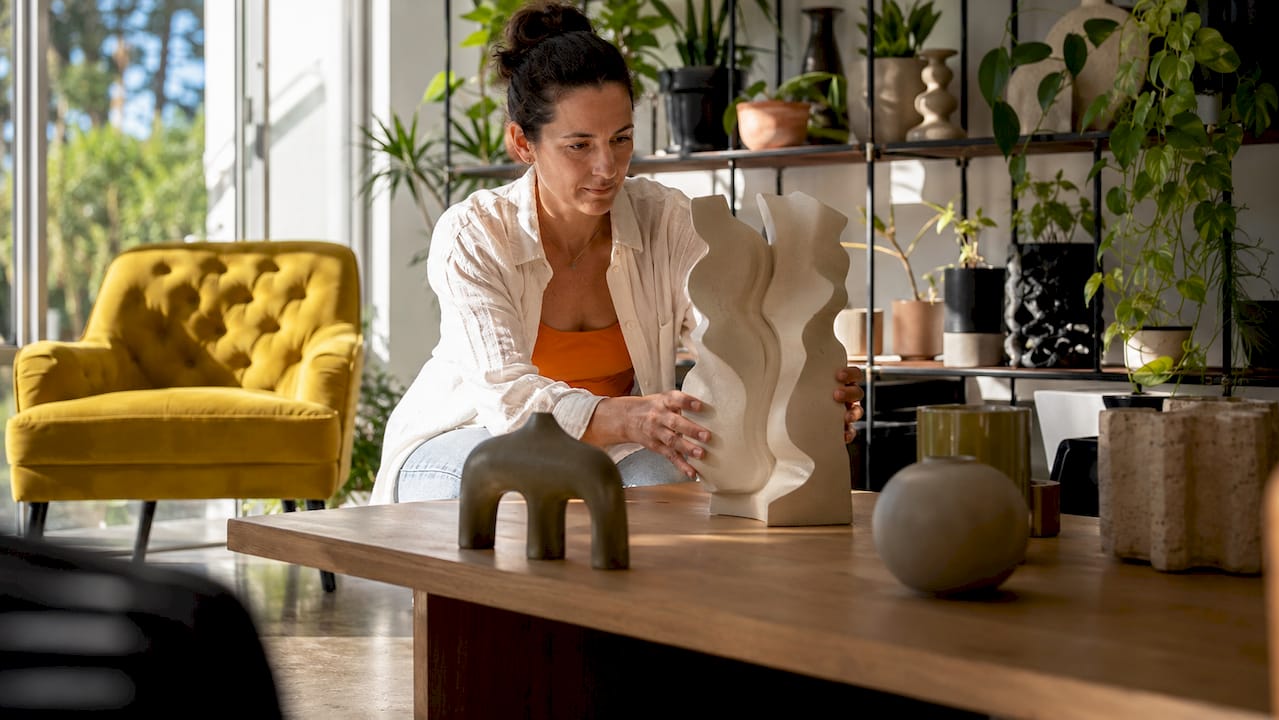
Sculptural accents are three-dimensional decorative objects that add artistic form, texture, and spatial presence to interior spaces. They are the single most effective way to pull a room out of the safe, polite middle and give it genuine character. Whether you live in a rented flat in Wellington or own a home in Auckland, understanding why opt for sculptural accents is the difference between a space that looks assembled and one that feels lived in. The right piece brings shape to the air around it, creates visual tension, and tells something true about the person who chose it.
Why opt for sculptural accents: the spatial case
Designers treat sculptural objects as spatial tools that actively shape how people move through rooms and balance visual weight. That is not a decorative claim. It is a functional one.
A sculpture placed at the entrance of a hallway creates a pause point. It signals a transition between spaces and slows the eye before it moves on. Without that anchor, long corridors feel like corridors. With one, they feel considered.
The material of a sculptural piece carries its own spatial logic. Heavier sculptures near architectural anchors, such as a fireplace or a structural column, stabilise the room’s visual weight. Lighter, open forms in the centre of a space or near windows maintain flow and openness. Getting this balance right is what separates a room that breathes from one that feels congested.
Visual weight also interacts with your existing furniture. A room full of low, horizontal sofas and coffee tables benefits from a tall, vertical sculptural form. It introduces hierarchy. The eye has somewhere to travel, and the room gains dimension it could not get from furniture alone.
- Identify your room’s architectural anchors, such as fireplaces, doorways, and load-bearing walls.
- Place heavier, denser sculptural forms near those anchors to ground the space.
- Use lighter, more open forms in transition zones to keep circulation fluid.
- Create at least one deliberate pause point in each room where the eye can rest.
- Step back and assess the room from its main entry point before committing to placement.
Pro Tip: Place a sculptural piece at the point where two rooms meet or where a hallway opens into a living area. That threshold placement does more spatial work than almost any other position in the home.
What are the real benefits of sculptural decor?
The importance of sculptural accents goes well beyond aesthetics. Adding intentional sculptural objects to residential interiors can increase perceived room value by 20–25%. That figure matters because perceived value shapes how guests experience your home and how you experience it yourself every single day.
“Sculptural objects add curves, asymmetry, and visual tension to break the monotony created by hard-edged modern furniture. They provide emotional warmth and visual interest to interiors that feel cold or staged.”
Modern furniture sets are designed for efficiency and consistency. That consistency is also their weakness. Every piece sits at right angles. Every surface is flat. Sculptural accents break that monotony by introducing curves, asymmetry, and organic form. The result is a room that feels inhabited rather than installed.
The benefits extend into how you work and think at home. Incorporating visually engaging sculptural elements in work environments can improve productivity by up to 15%. For anyone working from home, a considered sculptural piece on a desk or shelf is not indulgence. It is a practical investment in focus and mental energy.
Sculptural accents also carry personal narrative in a way that furniture cannot. A ceramic piece from a local New Zealand artist, a brass form you found at a market, or a carved wooden object passed down through family all tell a story. That story is what makes a space feel irreplaceable.
How to select and layer sculptural accents over time
The most common mistake people make with sculptural decor is buying everything at once. A slow collection approach starts with one strong piece and layers gradually over time. That gradual build generates a unique, collected aesthetic that no single shopping trip can replicate.
Start with scale. A piece that is too small for its surface disappears. A piece that is too large overwhelms the room. The general rule is that a sculptural object should occupy roughly one third of the surface it sits on, leaving the remaining two thirds as negative space. That breathing room is what allows the piece to be seen.
Material choice shapes the emotional register of a room. Ceramic brings warmth and tactility. Brass introduces a quiet formality and reflects light in ways that change through the day. Raw wood grounds a space and connects it to the natural world. Mixing two or three of these materials across a room creates texture and depth without visual noise.
- Choose one anchor piece first, the largest or most visually dominant form in the room.
- Build around it with smaller pieces in complementary or contrasting materials.
- Avoid placing more than three sculptural objects on a single surface.
- Leave negative space around each piece so it can be visually appreciated.
- Rotate pieces seasonally to keep the space feeling fresh and intentional.
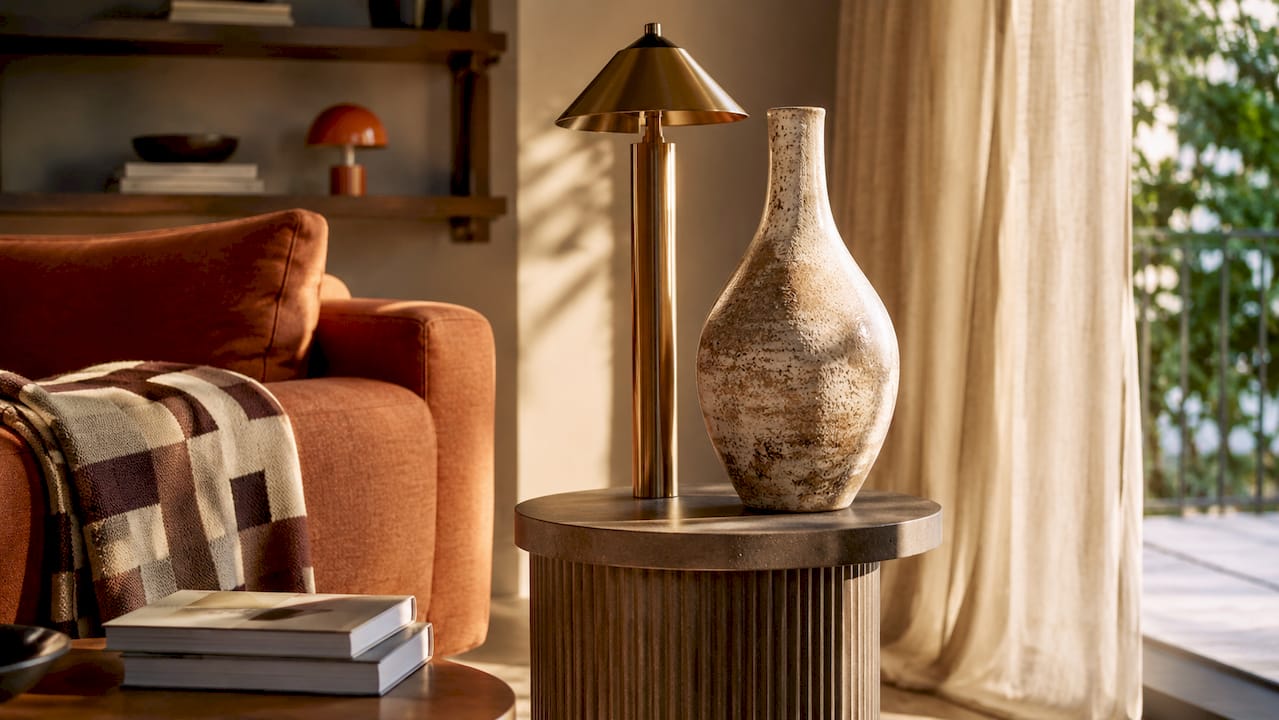
Lighting is the element most people overlook. Dedicated spotlights or ambient lamps reveal texture and cast dynamic shadows that transform a sculptural piece’s presence from day to night. A ceramic form that reads as simple in daylight becomes something entirely different under a warm directional light in the evening.
Pro Tip: Position a small adjustable spotlight or a table lamp at a 45-degree angle to your most important sculptural piece. The shadow it casts on the wall behind becomes a second, living artwork.
To understand how sculptural form in furniture extends these same principles across your entire room, it is worth considering how every object with form and silhouette contributes to the whole.
How can renters personalise spaces with sculptural accents?
Renters face a specific constraint: the walls and floors are not theirs to alter. Sculptural accents solve this problem directly. They require no installation, no fixings, and no permission. They are the most renter-friendly category of home decor available.
The key is choosing pieces with presence. A single strong sculptural object on a shelf or side table does more for a rental interior than a dozen small trinkets scattered across surfaces. Presence comes from scale, material weight, and form. A tall ceramic vase, a solid brass object, or a carved wooden form all hold a room without touching a single wall.
Sculptural lighting is the most powerful tool available to renters. A floor lamp with an architectural silhouette or a table lamp with a sculptural base adds layered interest, changes the mood of a room after dark, and moves with you when you leave. It is functional and expressive at the same time.
Mixing sculptural accents with artistic home accents like wall art and statement furniture creates a layered interior that feels genuinely personal. The combination of a sculptural object on a surface, a piece of wall art above it, and a considered furniture form nearby builds a visual conversation that no single element could achieve alone.
For renters in New Zealand specifically, the rental-friendly decor ideas available through Liftedplus offer a practical starting point for building that kind of layered, personal space without compromising your tenancy.
Key takeaways
Sculptural accents are the most direct way to add depth, warmth, and perceived value to any interior, whether you own your home or rent it.
| Point | Details |
|---|---|
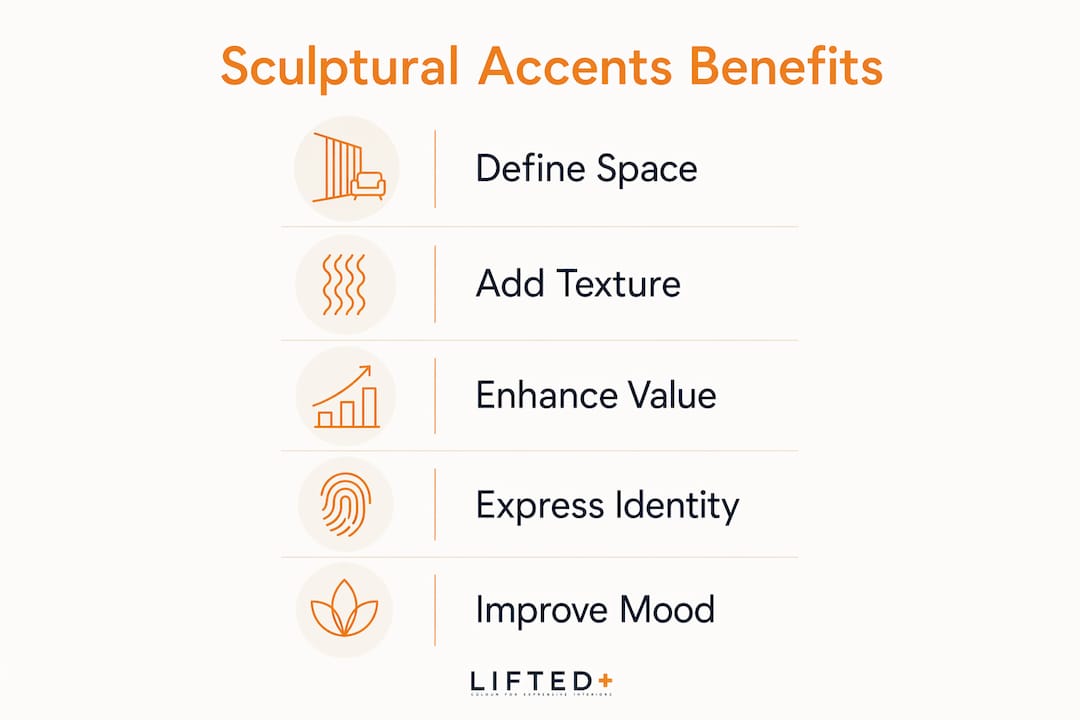
| Spatial function | Sculptures define zones, guide movement, and balance visual weight across a room. |
| Perceived value lift | Well-chosen sculptural pieces can increase a room’s perceived value by 20–25%. |
| Slow collection approach | Start with one strong piece and layer gradually to build a personal, collected aesthetic. |
| Lighting transforms presence | A directional lamp at 45 degrees reveals texture and creates dynamic shadow effects. |
| Renter-friendly impact | Sculptural accents and sculptural lighting require no installation and move with you. |
The piece that holds the room
I have walked through a lot of interiors over the years, and the ones that stay with me are almost never the ones with the most furniture or the most art on the walls. They are the ones where a single object holds the room. A rough-glazed ceramic form on a low shelf. A brass figure on a windowsill catching the afternoon light. Something that makes you stop.
What I have noticed is that many homeowners wait until everything else is in place before they think about sculptural accents. They treat them as finishing touches. That is the wrong order. A strong sculptural piece should come early in the process, because it sets the emotional register for everything around it. It tells you what materials to reach for, what colours feel right, and how much visual noise the room can carry.
The other mistake I see regularly is overcrowding. People find a piece they love, then find another, then another, and suddenly no single object has room to breathe. The guide to displaying sculptural art at Liftedplus addresses this directly, and the principle is simple: restraint is what gives each piece its power.
Treat your sculptural objects as spatial tools, not decoration. Ask what each piece is doing for the room, not just what it looks like. When you find a piece that genuinely holds the space, you will know it immediately. The room settles. It stops being a collection of furniture and becomes somewhere.
— Michelle
Discover sculptural decor at Liftedplus
Liftedplus curates sculptural accents, lighting, and wall art designed to bring genuine presence to modern New Zealand interiors. Every piece in the collection is chosen for form, material quality, and the way it holds a room rather than simply filling it.
If you are ready to start building a space that feels personal and considered, the decor personalisation guide at Liftedplus is the clearest starting point. For renters looking for non-permanent solutions, the renter-friendly decor ideas section offers practical inspiration that works within tenancy constraints. Browse the full Liftedplus shop collection to find sculptural pieces, lighting, and wall art that suit your space and your story.
FAQ
What makes a sculptural accent different from regular decor?
A sculptural accent is a three-dimensional object chosen primarily for its form, presence, and spatial impact rather than its function. It actively shapes how a room feels and how the eye moves through it.
Should i choose sculptural decor if i rent my home?
Sculptural accents are ideal for renters because they require no installation or wall fixings. Sculptural lighting and freestanding objects deliver strong visual impact and move with you when you leave.
How do sculptural elements improve a room’s perceived value?
Adding intentional sculptural objects to a residential interior can increase perceived value by 20–25%, because they signal considered, personal taste rather than a standard furniture package.
How many sculptural pieces should i have in one room?
Start with one anchor piece and add gradually. Avoid placing more than three sculptural objects on a single surface, and always leave negative space around each piece so it can be seen clearly.
Does lighting really change how sculptural accents look?
Lighting is one of the most significant factors in how a sculptural piece reads. Natural and artificial light reveal different textures and transform a piece’s presence throughout the day and evening.