
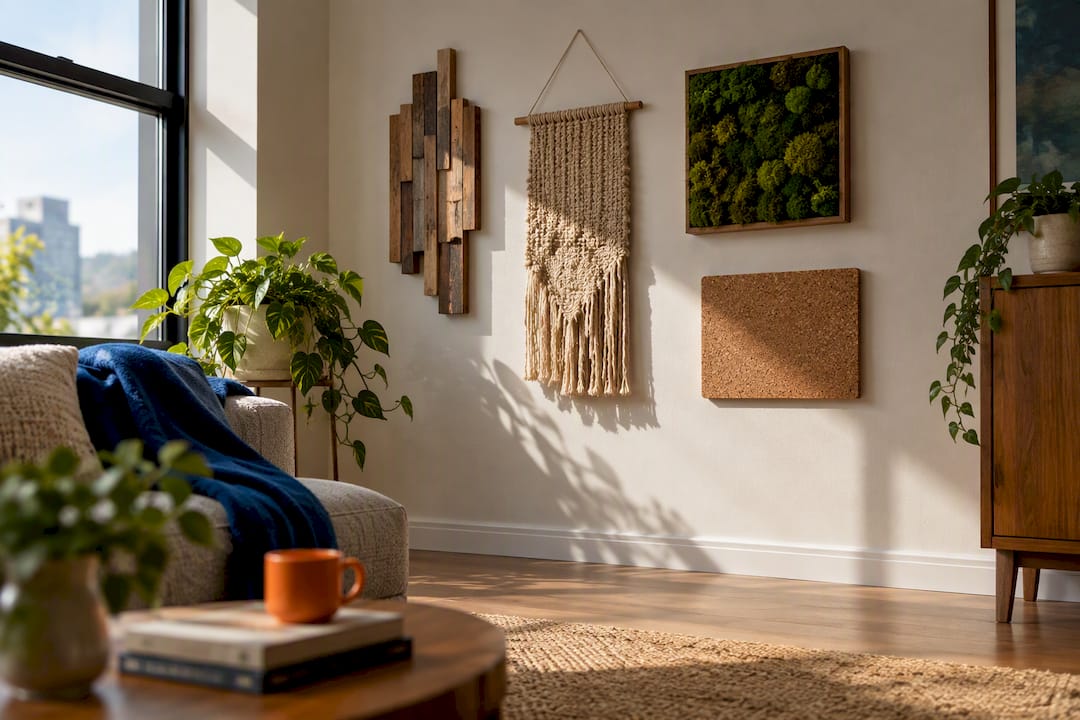
The best eco-friendly wall decor mixes three things: durable natural or recycled materials, upcycled finds, and removable kits that skip the landfill-bound plaster patch entirely. This guide prioritises renter-safe, low-VOC and reusable options over anything you’ll be ripping out (and binning) in two years. Below, you’ll find practical ideas, sourcing tips, and honest cost comparisons to get you started.
TL;DR:
- Reclaimed wood panels are easy to install in loose grids, are sustainable, and require occasional re-oiling to maintain their appearance.
- Natural fiber wall hangings and preserved moss art are low-chemical options that suit different light and moisture conditions, with preserved moss needing no maintenance.
- Reconfigurable modular kits like DwellForms™ made from recycled PET felt offer renter-safe, non-damaging installation that can be easily moved between homes.
- Choosing materials with independent certification and low-VOC finishes ensures the eco-friendliness, durability, and recyclability of wall decor over time.
- In humid or coastal environments, PET felt panels outperform textiles and timber by resisting moisture changes, prolonging decor lifespan and maintaining appearance.
Table of Contents
- 13 eco-friendly wall decor ideas you can actually install
- Choosing genuinely sustainable materials and finishes
- Renter-safe installation without losing your bond
- Caring for natural and recycled wall materials
- Why this actually matters beyond the aesthetics
- What sustainable wall decor gets wrong, and how DwellForms™ fits
- Do seasons and climate change what you should choose?
- Finding sustainable and ethical wall art suppliers
- The gap between eco marketing and what actually holds up
- Ready-made, no-drill and reconfigurable: where DwellForms™ fits
- Sources
- FAQ
13 eco-friendly wall decor ideas you can actually install
Sustainable wall design isn’t one product category. It’s a mindset that treats your wall as a canvas you can change your mind about, not a fixed installation you’re stuck with until you move out. Here’s what actually works, from full DIY projects to considered purchases.
1. Reclaimed wood panels
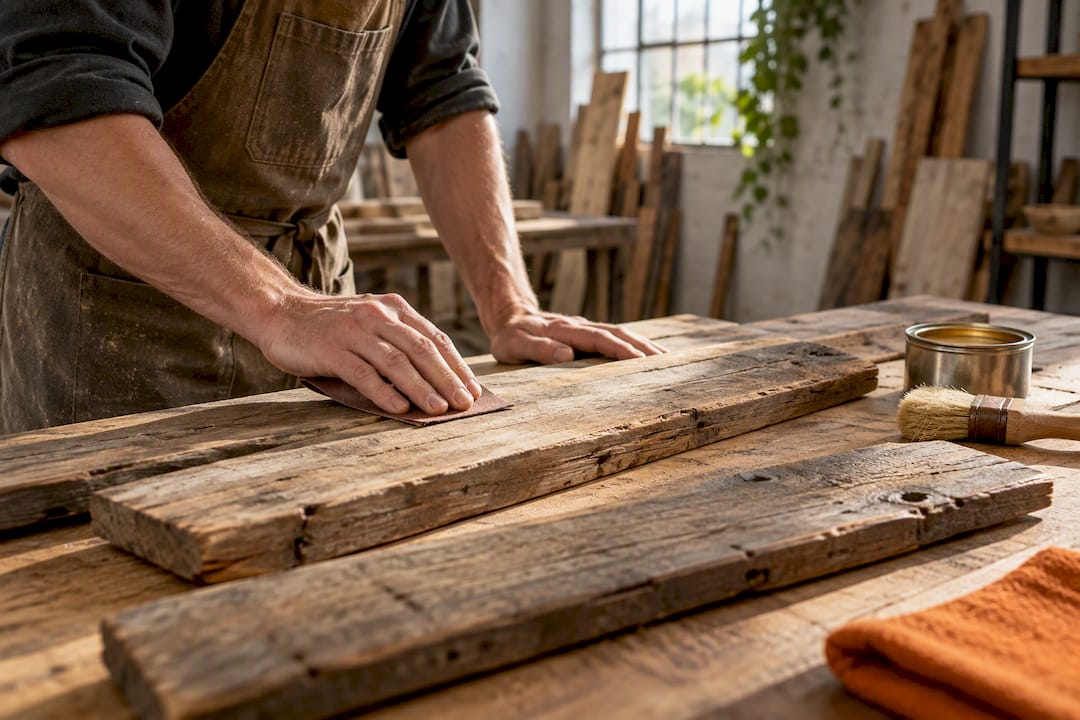
Salvaged timber from demolition yards, old pallets, or architectural salvage warehouses gives you grain and texture no factory-fresh board can fake. Sand back, oil lightly with a low-VOC finish, and mount in a loose grid rather than a solid sheet, which makes both installation and eventual removal far easier. Reclaimed wood benefits from occasional re-oiling to maintain its condition, especially in centrally heated apartments.
2. Natural fibre wall hangings
Wool, hemp and jute hangings, whether woven, knotted, or macraméd, bring warmth without a drop of paint. Independent makers on platforms like Etsy or local craft markets often work with undyed or naturally dyed fibres, which cuts the chemical load compared to synthetic dyed textiles. Hand wash gently in cold water and air dry flat; avoid direct sun, which fades natural dyes faster than synthetic ones.
3. Living plant walls or preserved moss art
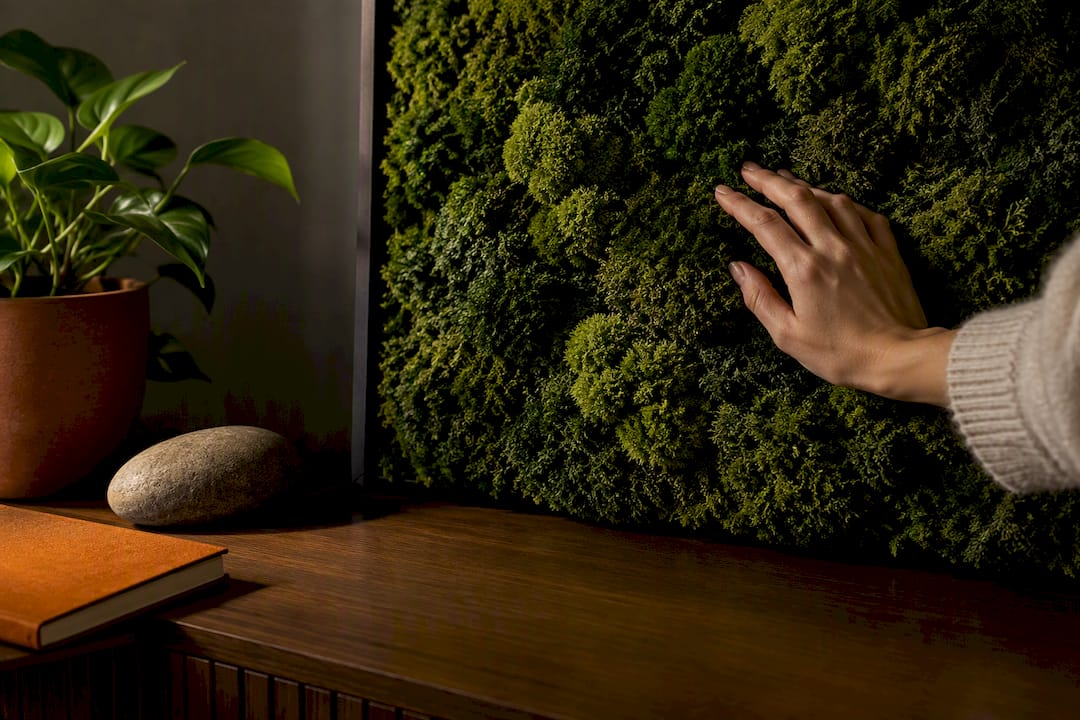
A small vertical planter with pothos or tillandsia adds genuine biophilic impact, provided your wall gets enough indirect light and you’re realistic about watering commitment. If your space is too dark or too dry, preserved moss panels give the same textural, green effect with zero maintenance and no humidity requirement, a smarter pick for hallways or windowless studies.
4. Upcycled art from found materials
Old window frames, broken tiles, fabric scraps, and even bike parts can become genuinely striking wall pieces. Start with a frame or backing board, arrange your found objects loosely before committing to adhesive, and photograph the layout before you glue anything down. This is the cheapest category on this list by a wide margin, often free if you’re resourceful.
5. Peel-and-stick or low-VOC wallpapers and murals
Removable wallpaper has improved enormously; look for water-based inks and adhesive backings specifically labelled low-VOC, and always check the paste, not just the paper, since a low-emission print can still carry a high-VOC backing layer. Test a small section behind furniture first. Peeling off is usually painless within the product’s stated timeframe, but leaving it up for years past that window can make removal messier.
6. Cork panels and modular pegboards
Cork is naturally renewable, harvested from bark rather than a felled tree, and it doubles as a noticeboard or styling surface for small hung items. Pegboards made from recycled content offer the same flexible, functional styling without a single nail hole beyond the initial mount.
7. Removable modular wall kits
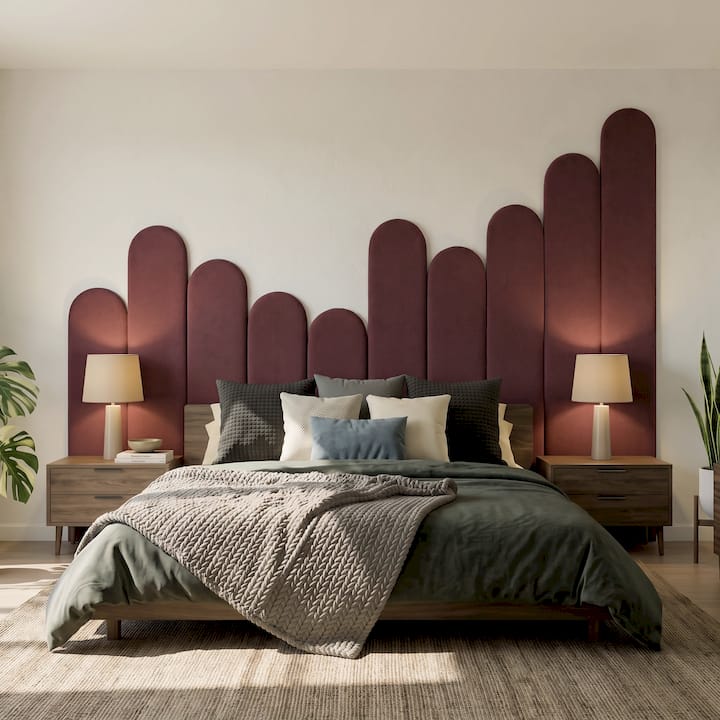
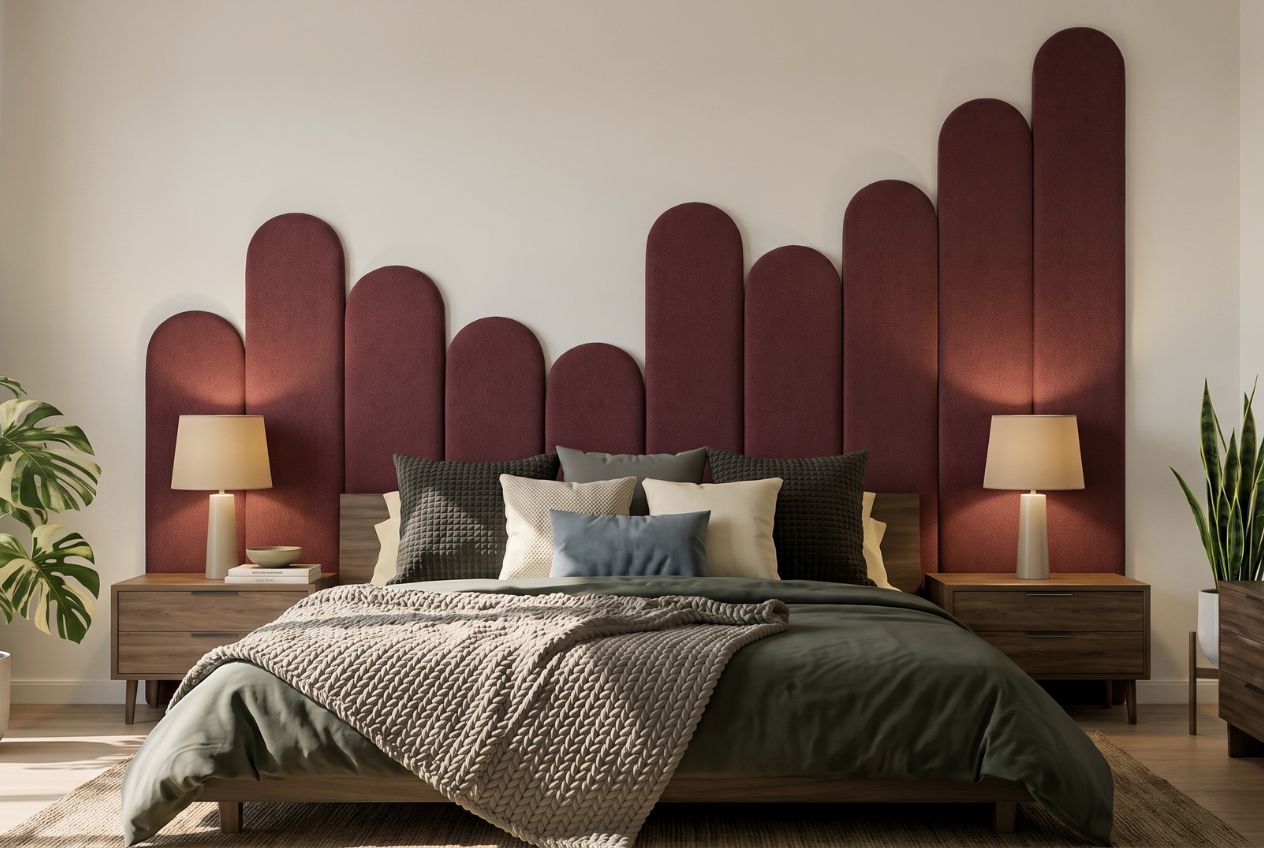
DwellForms™ by Liftedplus takes a different approach again: sculptural, colour-led PET felt panels made from 100% recycled plastic, installed with tested adhesive pads rather than drilling, glue, or paint. Because the panels are modular, you can rearrange a layout, add extension pieces, or pack the whole kit up and take it to your next rental, which is a genuinely different waste profile to a wall you paint and repaint every time you move.
Pro Tip: Before buying anything for a feature wall, order a small colour sample pack first. It saves you returning a full kit because the shade reads differently under your lounge room lighting than it did on screen.
Choosing genuinely sustainable materials and finishes
Not every product marketed as “eco” earns the label. Look for independent certification rather than a manufacturer’s own green claims: Eco Choice Aotearoa sets limits on hydrocarbon solvents in licensed paints, and FSC certification on timber confirms the wood came from a responsibly managed forest, not just “sustainably sourced” marketing copy.
A few checks worth making before you buy:
- Ask whether paints and coverings are water-based with genuinely low solvent emissions, not just “low odour.”
- Check the adhesive and backing layer, not only the visible surface, since a low-emission wall covering can be undermined by a high-VOC adhesive.
- Favour products designed to come apart cleanly at end-of-life rather than glued composites that can only be landfilled.
- Ask suppliers for an Environmental Product Declaration if you want verified data on recycled content and lifecycle emissions rather than a marketing claim.
Durability is the quiet variable people forget. A well-made piece that lasts a decade often has a smaller lifecycle footprint than three trend-led pieces replaced every couple of years, even if the trendy option looked “greener” at the point of sale.
Renter-safe installation without losing your bond
Colour without commitment starts with how you mount things, not just what you buy. Follow this sequence and you’ll avoid the two most common bond disputes: adhesive residue and screw holes.
- Choose tested removable adhesive pads or no-drill mounting systems over screws, nails, or construction-grade glue.
- Plan your full layout on paper first, then keep the installation instructions and purchase receipts in case your landlord asks what was used.
- Photograph the wall before installing anything and again once removed, as simple proof the surface is unchanged.
- Test adhesion on a small, inconspicuous patch first, and keep a little touch-up paint on hand for any minor marks.
- For anything unusually heavy or rough-backed, lean towards a framed or freestanding piece rather than direct mounting.
Pro Tip: Keep the original packaging from any removable panel kit for at least a month after install. If a pad doesn’t hold the way you expected on your particular wall texture, most suppliers want proof of purchase for a swap.
Caring for natural and recycled wall materials
Textile hangings need the gentlest hand: cold hand wash or a light vacuum with a brush attachment, dried flat out of direct sun. Cork wipes clean with a damp cloth and the occasional light sanding if it’s scuffed. Reclaimed wood benefits from a yearly re-oil. PET felt panels, including DwellForms™, just need a soft brush or vacuum attachment; they don’t absorb moisture or odour the way fabric does.
- Repurpose old textile hangings as cushion covers or tote bags once they’re too worn for the wall.
- Reclaimed timber can go back into smaller projects, shelving, plant stands, once a panel’s had its run.
- Check with your local council or paint retailer for material reuse or paint take back schemes before binning leftover product.
- When in doubt between a cheap trend piece and a well-made durable one, the durable option almost always wins on lifetime impact.
Why this actually matters beyond the aesthetics
Choosing reused, recycled, or low-VOC wall decor cuts landfill waste and the resource demand of constantly manufacturing new material. It also protects indoor air quality, since paints and adhesives are a common source of indoor chemical exposure. Natural, tactile materials, wood grain, woven fibre, living moss, tap into a biophilic effect that’s genuinely calming to live with day to day. And durability compounds all of it: the longer a piece stays on your wall, the smaller its footprint per year of enjoyment.
What sustainable wall decor gets wrong, and how DwellForms™ fits
Colour-led, renter-friendly feature walls aren’t a compromise on sustainability. They’re arguably the more honest version of it: personal expression that doesn’t demand a repaint or a skip bin every time you move house. DwellForms™ panels are modular, made from 100% recycled PET felt, and go up with tested adhesive pads rather than drilling, so the same colour statement can travel with you to your next rental instead of being scraped off and landfilled.
Do seasons and climate change what you should choose?
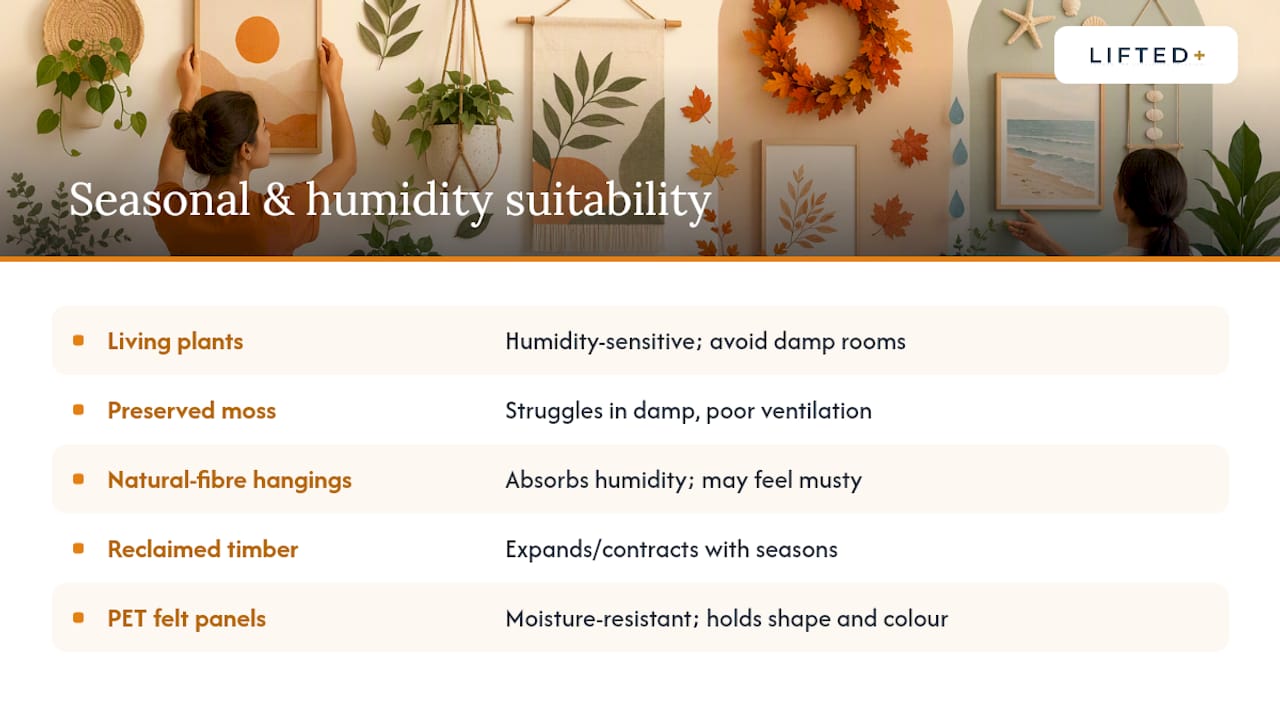
Yes, and it’s an underrated factor in wall decor longevity. Humidity is the biggest variable in most New Zealand homes: living plant walls and preserved moss can struggle in a poorly ventilated bathroom or a damp southern-facing room, where excess moisture encourages mould rather than growth. Natural fibre hangings, particularly wool and jute, can absorb ambient humidity over winter and feel noticeably heavier or musty if a room doesn’t get airflow.
Reclaimed timber naturally expands and contracts with seasonal temperature changes, so some adjustment may be needed depending on installation timing and humidity. Coastal properties add another layer: salt-laden air can accelerate corrosion on any metal fixings and dull unsealed timber faster than an inland equivalent.
PET felt panels sidestep most of this. The material doesn’t absorb moisture the way textile or timber does, so it holds its shape and colour consistently whether it’s a humid Auckland summer or a dry Central Otago winter, which makes it a more forgiving choice if your climate swings hard between seasons. Whatever you choose, check the adhesive pad’s stated temperature and humidity tolerance before installing in a bathroom, laundry, or uninsulated sunroom; most removable adhesives are rated for standard living areas, not high-moisture zones.
Finding sustainable and ethical wall art suppliers
Sourcing well matters as much as the material itself. Independent textile artists working in recycled or upcycled fabric are worth seeking out directly through craft fairs, textile art communities, and local maker markets, where you can usually ask directly what fibres and dyes were used. Ceramic and clay wall accents are another category worth a closer look, since parts of the ceramics industry have shifted toward reusing waste clay and glaze materials in production, cutting the energy cost of firing new stock from scratch.
For reclaimed timber, salvage yards and demolition recyclers are more reliable than general hardware stores, since the timber has genuine provenance rather than being relabelled offcuts. When buying manufactured wall products, whether paint, panelling, or coverings, ask the supplier directly for certification or an Environmental Product Declaration rather than taking a “sustainable” label at face value. It’s a five-minute question that filters out a lot of greenwashing.
Buying local also cuts transport emissions and tends to support smaller, more accountable production runs than imported mass-market decor, where sustainability claims are harder to verify.
The gap between eco marketing and what actually holds up
Most “eco wall decor” advice online stops at material swaps: use bamboo instead of plastic, buy the recycled canvas print. That’s a start, but it misses the bigger lever, which is designing for change rather than permanence. A wall you paint and repaint every rental cycle generates ongoing waste no matter how low-VOC the paint is. A wall you dress in something reconfigurable generates that waste once, if at all.
The conventional advice also underweights durability. People chase the trend-led “sustainable” item, a printed canvas, a fast-fashion macramé piece, and replace it within a year or two, which erodes any environmental advantage it had over a cheap synthetic equivalent. Prioritise materials built to last and systems built to move with you, in that order. Colour and texture experimentation should never require a bond deduction to satisfy.
— Michelle
Ready-made, no-drill and reconfigurable: where DwellForms™ fits
If you’d rather skip the sourcing and installation research and get straight to a considered feature wall, there are colour-led, renter-friendly options made from recycled PET felt, installed with adhesive pads instead of paint, drilling, or permanent alteration.
A few quick prompts to help you decide where to start:
- Best for renters worried about bond deductions: start with a single DwellForms™ Core Kit and test placement without committing to a full wall.
- Best for high-impact colour without the risk of guessing wrong: order a DwellForms™ Colour Samples pack first.
- Best for a design that needs to scale or travel with you between homes: pair a Core Kit with a DwellForms™ Extension Kit so the layout can grow into a new space.
Browse the current range and pick a starting kit at DwellForms™ Core Kits to see colours and layouts available now.
Sources
- Painting and decorating | Building Performance
- Materials inside your home | Building Performance
- Environmental product declarations (EPDs) and paints | Resene
FAQ
What can I put on my walls instead of pictures?
Consider natural fibre hangings, cork or pegboard panels, upcycled found-object art, or a modular kit like DwellForms™ for sculptural colour and texture. Living or preserved plant walls also work well in rooms with the right light and airflow.
What is the latest trend for wall decor?
Renter-friendly, no-drill and reconfigurable wall systems are trending strongly alongside sustainable, recycled materials, letting people commit to colour and texture without renovation. Sculptural, modular panel kits sit right at the centre of that shift.
What are some affordable wall decor ideas?
Upcycled art from found materials is typically the cheapest option, often free if you already own the components. Colour sample packs, like DwellForms™ Colour Samples, also let you test a look before committing to a full kit.
What are eco-friendly decorations?
Eco-friendly wall decorations use recycled, natural, or low-VOC materials and avoid single-use, disposable design. Look for independent labels like Eco Choice Aotearoa or FSC, and check for products designed to be reused or disassembled rather than landfilled at end-of-life.