
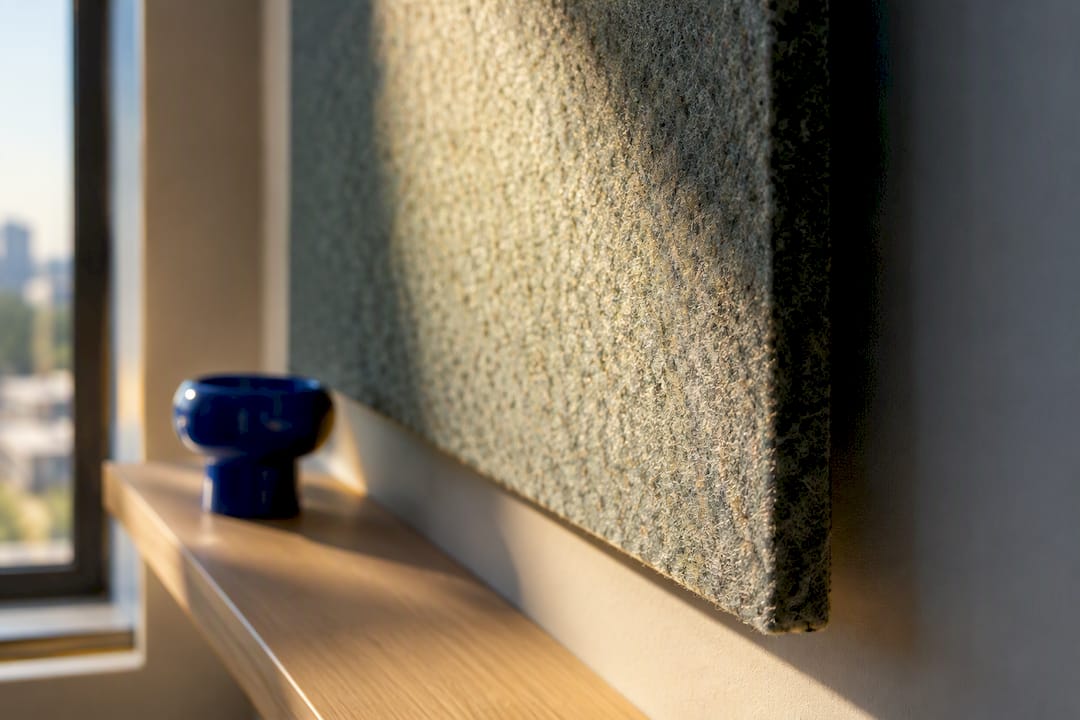
Recycled plastic wall art, in the sense that matters for your rental, means modular PET felt panel kits built from recycled plastic and installed with adhesive pads instead of drills or paint. These kits suit most renters and homeowners who want colour without commitment, provided you follow tenancy rules and test your adhesive properly first. The one thing that trips people up: skipping the adhesive test and rushing the removal, which is exactly where bond disputes start.
TL;DR:
- Test adhesive pads on a small, hidden wall area before full installation to avoid damage and bond failure.
- Most landlords require written permission for wall panels, with a 21-day response window and proper documentation.
- Recycled PET panels absorb mid-frequency sounds but are not suitable for blocking bass or structural soundproofing.
- Ordering samples and planning layouts beforehand reduces the risk of mismatched colors or overwhelming small rooms.
- Disassembly and storage of panels should be done carefully with labeled, flat packing and fresh adhesive pads when relocating.
Table of Contents
- What is a recycled PET wall panel and why does it suit renters?
- Do I need my landlord’s permission for wall panels?
- How do I choose colours and layouts that suit a small rental?
- How do you install and remove no-drill wall panels safely?
- How do you move or extend a wall panel kit later?
- Are recycled plastic panels actually sustainable and quiet?
- DwellForms by Lifted+: why this is the practical product choice for renters
- Why colour without commitment matters more than it seems
- Where to buy DwellForms panels, extensions and colour samples
- Sources
- FAQ
What is a recycled PET wall panel and why does it suit renters?
PET felt is made by melting down recycled plastic bottles and pressing the fibres into a dense, slightly textured sheet. It holds its shape, takes colour beautifully, and weighs a fraction of timber or MDF panelling, which matters enormously when adhesive pads are doing the holding rather than screws.
Modular kits work like building blocks. A core kit gives you a base pattern, and extension kits let you widen or reshape that pattern later without buying a whole new set. That flexibility is the entire point of texture without renovation: no plaster dust, no drill holes, no wallpaper paste.
The adhesive-pad system is what makes this renter-friendly feature wall approach different from paint or wallpaper. Nothing bonds directly to the wall’s finish coat, and nothing needs primer or curing time. As a side benefit, PET felt has genuine mid-frequency sound-absorbing properties, so a panelled wall can soften everyday echo in a way flat paint never will.
Do I need my landlord’s permission for wall panels?
Yes, in most tenancies. Tenancy Services guidance treats installing removable wall panels as a minor change, which means you put the request in writing and your landlord has 21 days to respond. Silence past that window doesn’t grant automatic approval, so a written follow-up matters.
The Residential Tenancies Act 1986 lets you remove fixtures you’ve attached, but only if you can do it without irreparable damage. That’s not a formality. A real tenancy decision found a tenant liable for professional repainting costs after adhesive picture strips lifted paint, and that bond deduction came from a product far less forgiving than a tested, properly removed panel.
Before you order anything, work through this:
- Send your minor-change request in writing and keep a copy.
- Photograph the wall before installation, cataloguing existing marks or blemishes.
- Test your adhesive pad on a small, hidden patch first.
- Keep spare panels, receipts and colour samples in case a landlord asks what’s going up.
How do I choose colours and layouts that suit a small rental?
Start by deciding whether you want one dramatic focal wall or a scattering of smaller panel clusters across a hallway or reading nook. A single feature wall reads bolder in a small room; distributed panels suit awkward layouts with broken-up wall space, like apartments with lots of doorways.
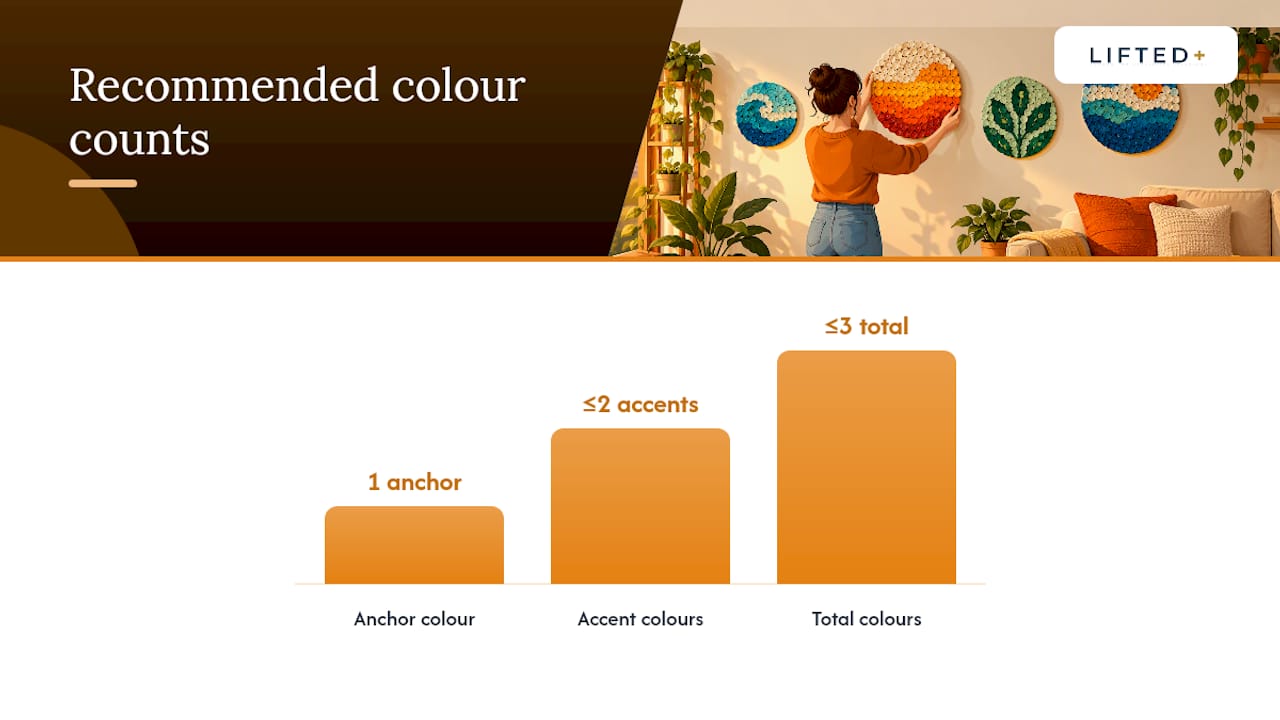
Colour confidence comes from testing, not guessing. Order colour samples and hold them against the wall in both morning and evening light, since rental lighting (especially north-facing units with harsh afternoon sun) can shift a shade dramatically. Pair one anchor colour that carries the wall with one or two accent tones so the piece feels composed rather than scattered.
For shape and texture, sculptural profiles create shadow and depth, which is what makes a panel wall feel architectural rather than decorative. Keep the layout modest enough that reinstalling it in a new rental won’t require re-planning the whole design.
Quick checklist before you buy:
- Measure your wall’s width and height, noting any power points or vents.
- Choose one anchor colour and no more than two accents.
- Order samples before committing to a full core kit.
- Sketch your layout on paper or with painter’s tape first.
Pro Tip: Tape the panel outline onto your wall with painter’s tape before you order. It takes ten minutes and saves you from a pattern that looks great on screen but overwhelms the actual room.
How do you install and remove no-drill wall panels safely?
Getting this right protects both your feature wall and your bond, and the sequence matters more than the individual steps.
- Check the surface. Confirm the paint is fully cured (freshly painted walls need weeks, not days) and wipe away dust or grease so the pad can bond properly.
- Photograph the wall. Take dated photos of the blank wall as a record before you start.
- Test one patch. Apply a single adhesive pad to an inconspicuous spot and leave it 24 hours before trusting the rest of the wall.
- Plan your layout. Measure and mark panel positions lightly, working from your centre point outward.
- Apply pads within weight limits. Press each pad firmly for the manufacturer’s recommended time, keeping panels within their stated hold weight.
- Position and press. Set each panel against the wall with even pressure across the whole surface, not just the edges.
Removal follows the reverse logic. Manufacturer tabs are designed to release the bond safely, so pull the tab slowly and parallel to the wall surface rather than yanking it straight off. Gentle heat from a hairdryer can soften a stubborn bond, and it’s a far safer fix than force. Never pull perpendicular to the wall, since that’s how paint lifts.
If your wall is freshly painted, textured, or a heritage plaster finish, stop and ask your landlord or a painting professional before you commit. Adhesive on unforgiving surfaces is one of the most common causes of avoidable paint damage in rentals, and it’s cheaper to check first than repaint later.
How do you move or extend a wall panel kit later?
Core kits and extension kits are designed to combine, so widening a feature wall later means buying an extension kit rather than starting again. Plan your original layout with future growth in mind, leaving room to add a row or column later.
When you move house, disassemble panels flat, store them somewhere dry, and label each piece so reassembly isn’t guesswork. Avoid folding or stacking anything under weight, since PET felt can crease. Pack panels away from direct sun in transit, and budget for a fresh set of adhesive pads at the new address. Colour samples cost little against a full kit, so testing before every new wall is cheap insurance.
Are recycled plastic panels actually sustainable and quiet?
Recycled plastic panels are made from PET felt produced from recycled plastic, diverting material that would otherwise sit in landfill or waterways. That’s a genuine sustainability credential, not a marketing gloss.
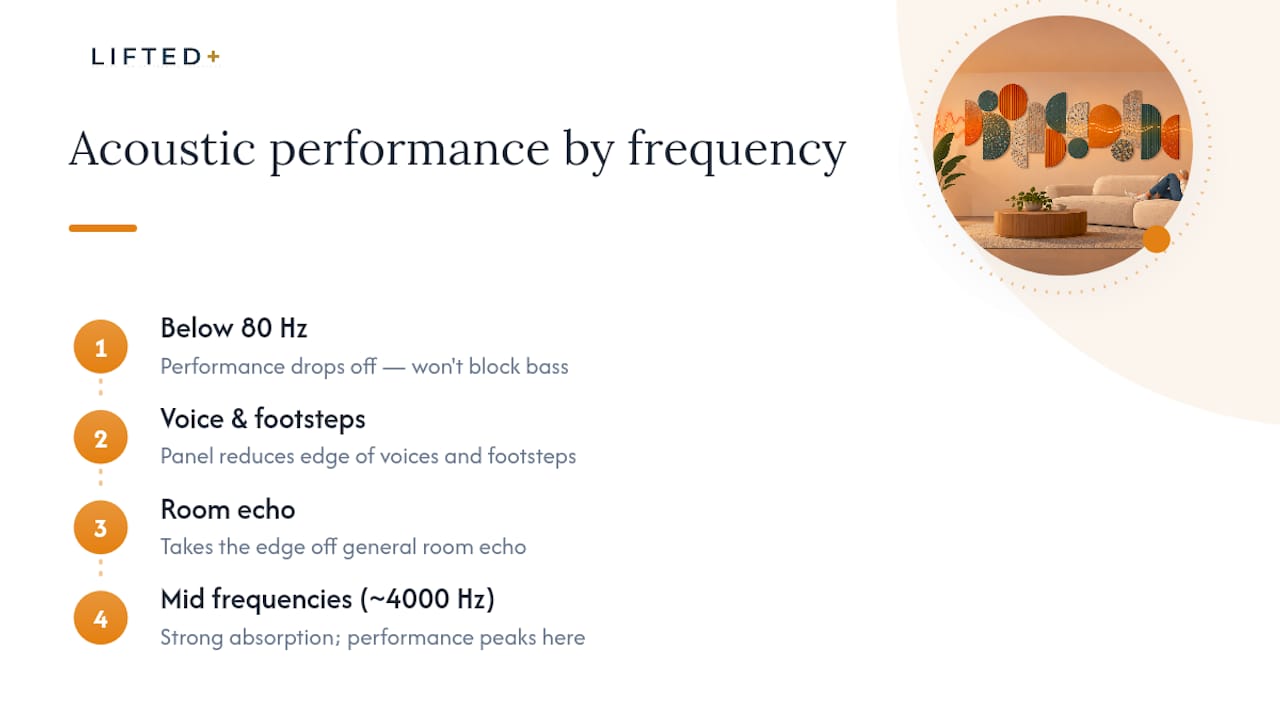
On acoustics, be realistic. Laboratory testing on recycled PET fibre panels found strong sound absorption in the mid-frequency range, peaking around 4000 Hz, but performance drops off well below 80 Hz. In practical terms, that means a panel wall takes the edge off voices, footsteps and general room echo. It won’t block bass from a neighbour’s stereo or replace structural soundproofing, and no honest supplier should claim otherwise.
DwellForms by Lifted+: why this is the practical product choice for renters
DwellForms by Lifted+ is New Zealand designed and built specifically around the renter’s problem: how to add colour and shape to a wall without touching the lease. Every panel is precision cut PET felt made from 100% recycled plastic, sold as core kits, extension kits and standalone colour samples so you can scale a wall slowly rather than committing to one large purchase upfront.
The brand backs its kits with installation guides, layout ideas and styling resources built specifically for rentals and small spaces, which matters when you’re trying to work out whether a pattern will suit a narrow hallway or a share-house living room…
If you’re weighing panels against framed prints or a feature wallpaper, it helps to see how the approaches actually compare before you order anything…
Why colour without commitment matters more than it seems
Renting shouldn’t mean living in someone else’s beige forever. A wall you’ve shaped yourself, in a colour you chose, changes how a house feels within days of moving in, and that’s worth taking seriously rather than dismissing as decoration.
The trade-off is discipline. Test every adhesive, photograph every stage, and keep your landlord in the loop before panels go up. That combination protects your bond and your creative freedom at the same time.
— Michelle
Where to buy DwellForms panels, extensions and colour samples
If you’re ready to move past planning, start with the DwellForms Core Kits to see current patterns and starter layouts, or order colour samples first if you’re still deciding on a palette. Unlike paint, wallpaper or framed art that locks you into one wall for the length of your lease, DwellForms kits are built to be tested, reconfigured and carried to your next address without losing their value.
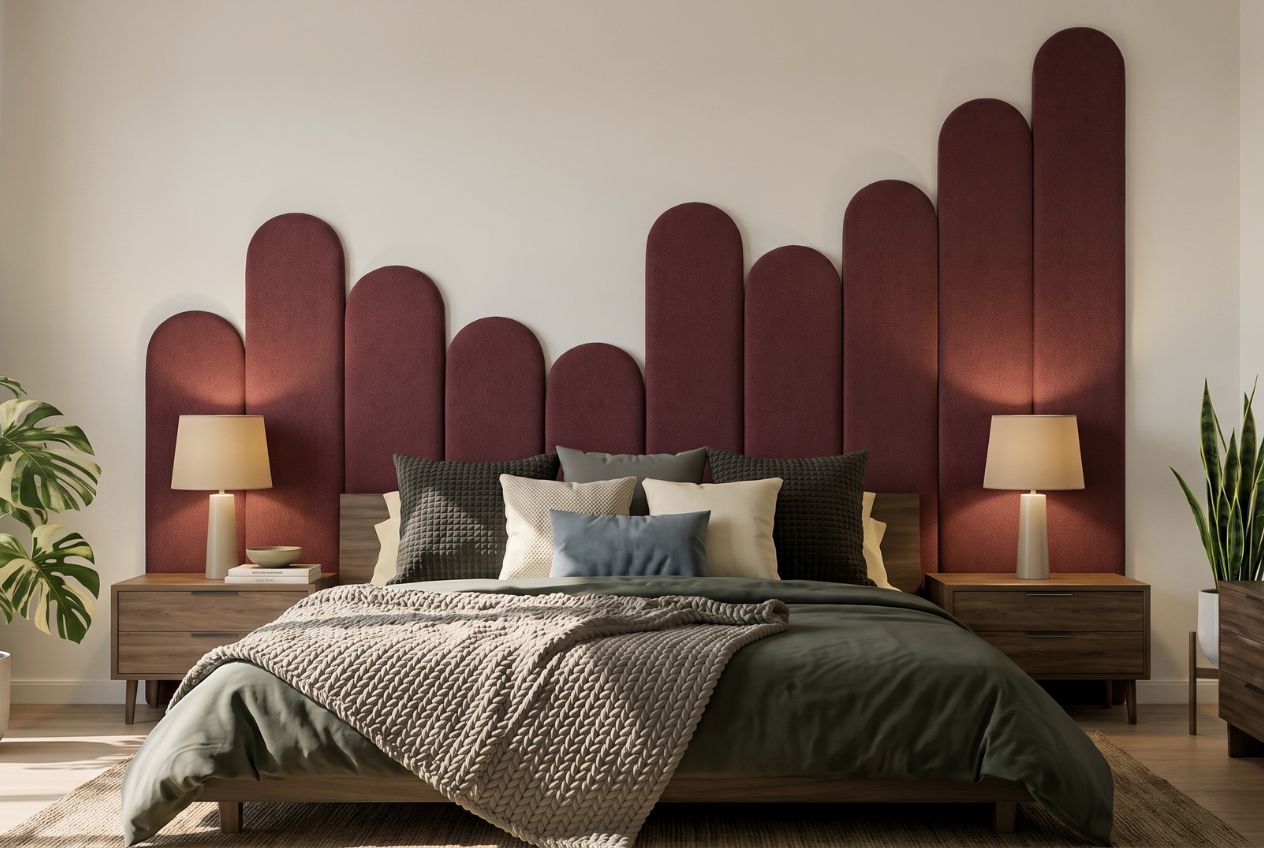
Every kit uses adhesive pads rather than screws or drilling, which means the only preparation that matters is a quick patch test and, where your tenancy requires it, a written note to your landlord. Once you’ve settled on a layout, extension kits let you widen the design later without starting from scratch. Check current patterns, order a sample pack, and see how the colour actually sits on your wall before you commit to a full feature.
Sources
This guide draws on Tenancy Services guidance on minor changes, the tenant fixtures provisions in the Residential Tenancies Act 1986, a real tenancy decision on adhesive strip damage, and laboratory acoustic testing of recycled PET panel performance. Read the primary sources if you want the full legal or technical detail behind any claim above.
- Tenants making changes to the property » Tenancy Services
- Residential Tenancies Act 1986 No 120 (as at 01 December 2025), Public Act 42 Tenant’s fixtures, etc
- Tenancy
- Acoustic Performance of Panels Made from Recycled Polyester Fiber Derived from PET Bottles – IOPscience
FAQ
Is recycled plastic wall art safe to use on rental walls?
Yes, when you test the adhesive first and follow the minor-change consent process your tenancy requires. The main risk is skipping the patch test on freshly painted or textured surfaces.
Do I need landlord permission for no-drill wall panels?
Most tenancies treat this as a minor change, so you send a written request and your landlord has 21 days to respond under Tenancy Services rules. Going ahead without asking can put your bond at risk if removal causes any damage.
How do I remove adhesive wall panels without damaging paint?
Pull each tab slowly and parallel to the wall rather than straight off, using gentle heat from a hairdryer if the bond feels stubborn. Never pull perpendicular, since that’s the motion most likely to lift paint.
Are recycled PET panels good for soundproofing?
They absorb mid-frequency echo well, with lab testing showing strong performance around 4000 Hz, but they don’t block bass or replace structural soundproofing. Treat them as an echo softener, not acoustic insulation.
How much do modular wall panel kits cost?
DwellForms doesn’t publish a fixed price list; current pricing for core kits, extension kits and colour samples is available on the product pages. Ordering samples first is a low-cost way to test a colour before buying a full kit.