

TL;DR:
- Trend-based interior updates can enhance mood but should be used sparingly to avoid quickly feeling outdated.
- Focus on timeless elements and reversible accents to create a balanced, personal, and sustainable home.
- Designing with purpose and intentional layering supports wellbeing and long-term value in New Zealand homes.
Trend-driven interiors can reduce stress and lift the mood of a space, yet NZ design experts warn against blindly chasing every new wave. There is a real tension at the heart of modern decorating: how do you stay current without losing what makes your home feel like yours? For homeowners and renters across New Zealand, that question is especially pointed. This article cuts through the confusion, separating useful trend-following from costly mistakes, and gives you a clear, practical framework for choosing the right updates at the right moment.
Table of Contents
- Understanding interior design trends in New Zealand
- The real benefits of following design trends
- Risks and common misconceptions about trends
- How to selectively follow trends for lasting NZ interiors
- A fresh perspective: Why chasing every trend isn’t the answer
- How Lifted+ helps you transform your NZ home with lasting style
- Frequently asked questions
Key Takeaways
| Point | Details |
|---|---|
| Trends boost wellbeing | Following interior design trends can reduce stress and make your home feel more comfortable. |
| Flexible updates for NZ homes | Affordable, reversible trend elements like vibrant accents and modular storage suit both homeowners and renters. |
| Timeless base prevents regret | Building on a timeless foundation allows you to try bold trends without future regret. |
| Selective adoption lasts longer | Choosing enduring trends, such as sustainability, ensures your design stays fresh and relevant in New Zealand. |
Understanding interior design trends in New Zealand
A design trend is not simply a popular colour or a fashionable shape. It is a broader shift in how people want to live inside a space, shaped by culture, technology, the economy, and collective mood. In New Zealand, this currently shows up as a preference for warmth, natural texture, and multi-functional living. Think modular shelving that adapts to a growing collection, earthy autumnal palettes, and sculptural lighting that does more than illuminate a room.
It is worth drawing a firm line between a trend and a timeless design principle. The table below makes the distinction clear:
| Feature | Trend-driven element | Timeless element |
|---|---|---|
| Lifespan | 2–5 years | 10+ years |
| Examples | Boucle texture, arched mirrors | Neutral base palette, quality timber |
| Cost to update | Low to moderate | Higher, but infrequent |
| Risk level | Medium | Low |
| Best applied to | Accents, soft furnishings | Floors, walls, major furniture |
For renters in New Zealand, this distinction matters most. You rarely control the bones of a space, so your power lies in reversible, expressive updates. Affordable, flexible updates through soft furnishings, lighting, and wall art allow trend adoption without any lasting commitment to the property. A bold artwork, a new pendant, a set of vibrant cushions: these are moves you can make today and take with you tomorrow.
The most common trend elements worth considering for NZ homes include paint in warmer, muted tones; statement lighting as a focal point; curated wall art that anchors a room; modular storage with presence; and textural soft furnishings in natural fibres. If you are working with a compact apartment, exploring apartment living with colour will show you how vibrant accents can animate a small space without overwhelming it.
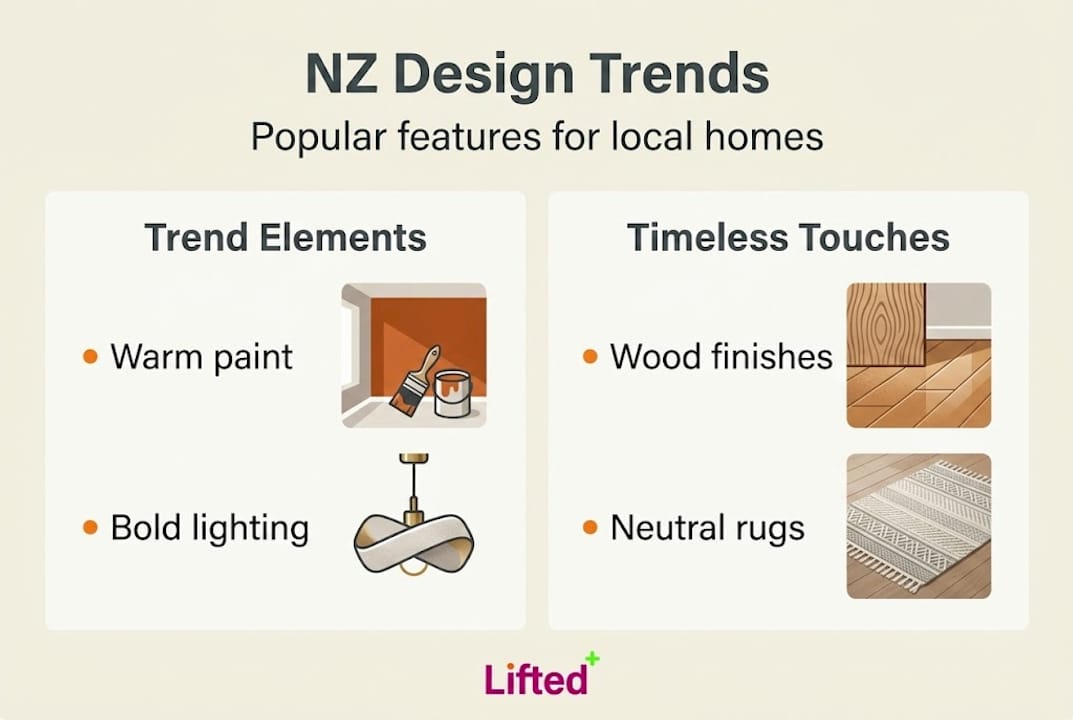
The key insight here is that trends give you permission to be bold. They make a case for colour, for sculptural form, for objects that hold the room. Used wisely, that permission is genuinely useful.
The real benefits of following design trends
Beyond aesthetics, there is a growing body of evidence that the spaces we inhabit shape how we feel. Neuroaesthetics, the study of how our brains respond to art and environment, is increasingly informing interior design. Trend-aligned designs reduce stress by introducing visual harmony and intentional warmth into everyday spaces. That is not a small thing when your home is also your sanctuary.
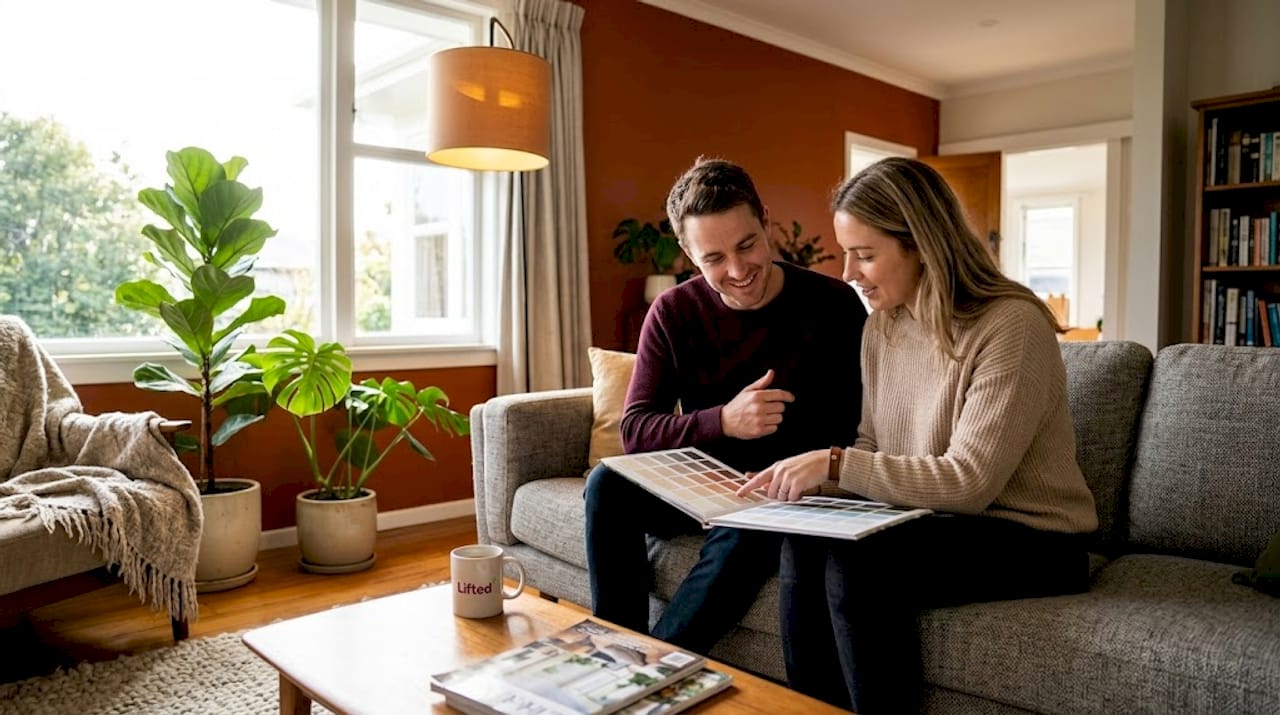
Consider what the data suggests about how design environments affect us:
| Design quality | Reported wellbeing impact |
|---|---|
| Warm, layered colour palette | Reduced anxiety, sense of comfort |
| Natural textures and materials | Grounded, calmer mood |
| Considered lighting hierarchy | Improved focus and relaxation |
| Personalised, curated objects | Increased sense of identity and belonging |
Understanding how furniture shapes home ambiance reinforces this point. The forms you choose, from the curve of a chair to the silhouette of a shelf, contribute to the emotional register of your entire home.
“Well-chosen design elements are not decoration. They are the architecture of how you feel at home.”
There is also a financial case to be made. Trend-informed interiors signal care and intention to prospective buyers or landlords. A space that feels current and composed consistently makes a stronger impression than one that feels frozen in time. Exploring how art shapes modern interiors reveals how a single well-placed artwork can do the work of a full renovation in terms of visual impact.
Pro Tip: Try the high-low approach. Anchor your space with one or two investment pieces, such as a sculptural floor lamp or a statement artwork, then build around them with more affordable accessories. This creates a room that reads as intentional without requiring a significant outlay.
Risks and common misconceptions about trends
With benefits covered, it is critical to understand the downsides so you make confident, lasting choices. The most honest thing we can say is this: some trends age badly. Quickly. And replacing them costs time, money, and creative energy.
Experts caution that chasing short-lived trends can leave a home feeling dated within just a few years, requiring regular updates that compound in cost and effort. The excitement of the new is real, but so is the fatigue of the already-old.
Here are the most common pitfalls to watch for:
- Over-committing to a single trend. When one aesthetic dominates every room, there is nowhere to pivot when it fades.
- Applying trends to permanent fixtures. Tiling a bathroom in a trend colour or laying a statement floor is expensive to reverse.
- Ignoring your own lifestyle. A minimalist trend does not serve a household with young children, regardless of how it looks in a magazine.
- Confusing novelty with quality. Trendy does not always mean well-made. Cheap trend pieces wear poorly and undermine the whole space.
- Neglecting the timeless base. Without a grounded, neutral foundation, even beautiful trend pieces can feel chaotic.
In the New Zealand context, there is a strong cultural preference for the lived-in home over the showroom-perfect one. The timeless vibrant homes guide speaks to this directly: enduring spaces have personality, warmth, and a sense that real life has shaped them.
Pro Tip: Reserve bold, trend-led choices for elements you can easily swap out. Think cushions, throws, rugs, artwork, and lighting. Let your walls, flooring, and major furniture remain calm and considered. When you layer lighting at home with this mindset, even a simple pendant update can dramatically shift the mood without structural cost.
How to selectively follow trends for lasting NZ interiors
Knowing the risks, the goal becomes purposeful selection: adopting trends that have longevity built into them, and applying them in ways that strengthen rather than compromise your home’s character.
Here is how to approach that process with confidence:
- Start with your existing palette. Identify the fixed elements in your space, floor colour, cabinetry, existing furniture, and look for trends that complement rather than clash.
- Research the trend’s trajectory. A trend emerging in New Zealand is often three to five years into its global lifecycle. Ask whether it is rising or already peaking.
- Prioritise enduring trend categories. Sustainability, natural materials, warm colour palettes, and modular living are trends that ensure longevity because they are rooted in values, not novelty.
- Invest in craft over fashion. A handmade ceramic object or a limited-edition artwork holds its presence long after a mass-produced trend piece has dated.
- Edit regularly. Styling is an ongoing act. Add, remove, and rotate pieces seasonally to keep your space feeling current without a full overhaul.
Practical examples abound in NZ interiors. Modular storage with warm timber finishes works both as a trend piece and as a long-term functional solution. Bold wall art in autumnal ochres and burnt clay tones connects to current global colour directions while feeling distinctly warm and personal. Learning to layer home decor objects with this level of intention transforms how the whole room reads.
Pro Tip: Balance maximalism with restraint. If you want to embrace the current shift toward bolder, richer interiors, anchor the room in a quiet base, soft white walls, natural oak, simple linen, and then let your artistic NZ design choices bring the energy. This gives the boldness somewhere to land.
A fresh perspective: Why chasing every trend isn’t the answer
Here is the view we hold most firmly after years of working with colour, form, and space: the most vibrant homes we encounter are not trend-led. They are personality-led, with trends layered on top thoughtfully and sparingly.
The trap is seductive. New trends arrive with beautiful imagery and compelling logic, and it is easy to rebuild your entire space around each one. But the homes that genuinely hold the room, that feel alive and considered, are built on a timeless base with personal choices sitting at their centre.
NZ design thinking consistently favours the lived-in home over the magazine-perfect one, and we think that instinct is right. Regret in interior design almost always comes from over-commitment to something external rather than internal. Building from a minimalist home with colour foundation gives you the flexibility to evolve without starting from scratch. The smartest trend-followers we know treat trends as a language, not a script.
How Lifted+ helps you transform your NZ home with lasting style
Ready to apply these insights? Lifted+ makes it straightforward to build a home that feels current, personal, and enduring all at once.
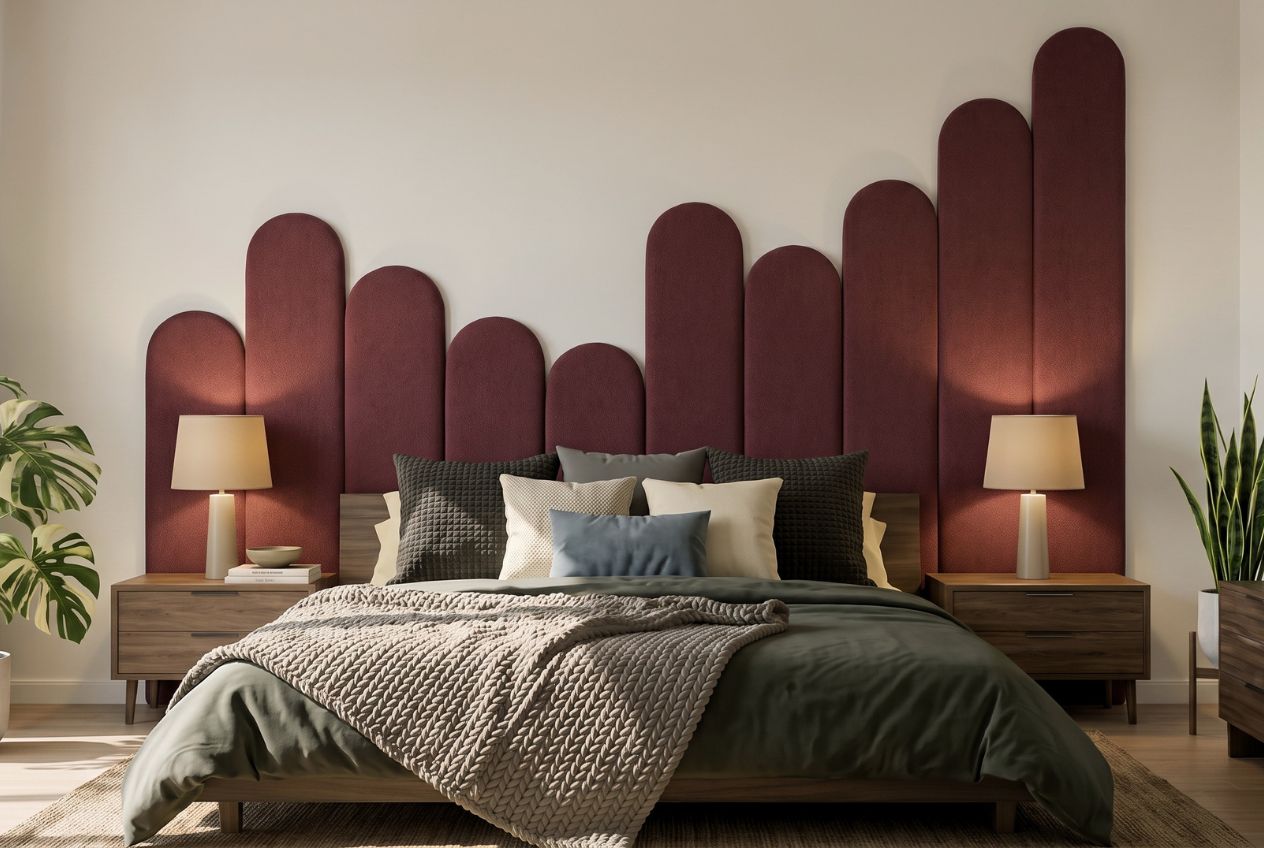
Our curated wall art collection brings sculptural presence and grounded colour into any space, whether you are renting or renovating. Each piece is selected for artistic impact and lasting relevance, not fleeting fashion. Explore how personalising decor for mood can shift the entire register of a room with just a few deliberate choices. When you are ready to browse furniture, lighting, and statement accents built for the modern NZ interior, shop our full collection and discover how effortlessly style and substance can coexist.
Frequently asked questions
What are the safest trends to follow for rental properties?
Soft furnishings, modular storage, and vibrant accents are the most practical choices because they are affordable and reversible, requiring no permanent changes to the property.
How do I avoid regret with bold trend choices?
Apply bold trends as artistic accents on a timeless, neutral base so you can update individual elements easily without reworking the whole room.
Can following interior design trends actually improve my wellbeing?
Yes. Trend-aligned environments reduce stress and increase comfort, with neuroaesthetics research supporting the connection between intentional design and improved mood.
How often do trend-driven spaces need updating?
Trend-driven spaces typically feel dated within a few years, while timeless interiors last well over a decade, making a balanced approach the most cost-effective long-term strategy.